How AI tools are transforming the fitness game
What's the story
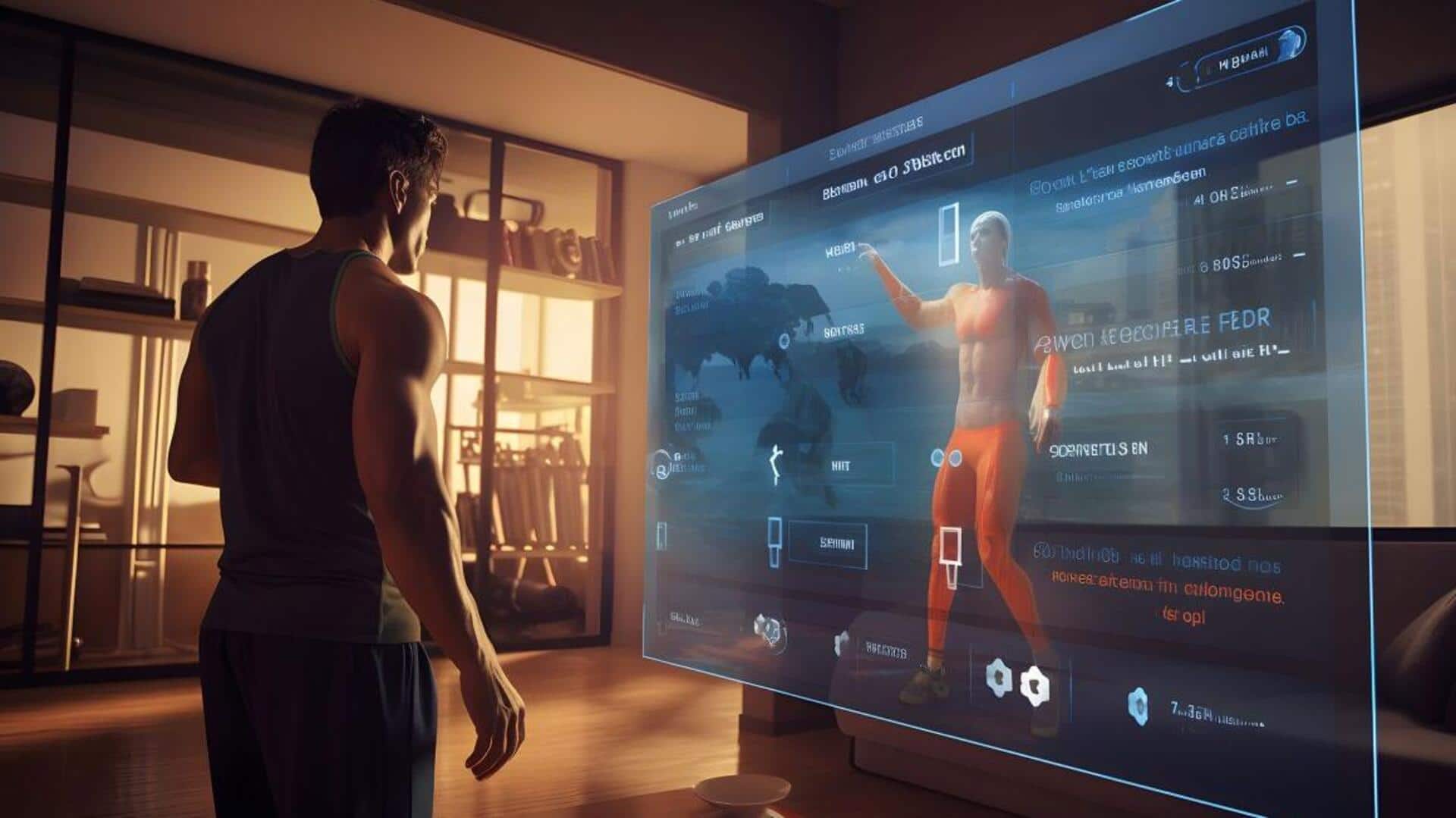
The fitness industry is witnessing a major makeover as artificial intelligence enters the realm of personalized fitness tracking solutions. In 2026, the combination of wearable tech and AI-powered platforms is the top trend, transforming the way people track and achieve their health goals. Today's fitness trackers and smartwatches are providing detailed health insights, bringing personalized data to the average user. Here's how AI tools are changing fitness tracking.
#1
Advanced wearable technology
From mere step counters, wearable devices have graduated to full-blown health dashboards. They track heart rate, sleep patterns, training load, and recovery metrics in real-time.
The data they once provided in labs now comes to everyday users, thanks to AI.
With this, you can get personalized insights into your health and know when to hit the gym or when to take a break.
#2
Leading AI-powered fitness apps
Several AI-powered tools lead the way into this transformation.
Jefit shines as a top app built for intelligent progressive overload. It uses proprietary tools like the NSPI score for optimized progression and Movement Balance algorithms for workout symmetry evaluation.
With 13+ million active users and a 4.8 rating on iOS, Jefit shows how AI can offer real-time training adjustments based on individual performance levels.
#3
Innovations by wearable manufacturers
Wearable manufacturers are also taking their AI capabilities to the next level.
Apple Watch Series 11 promises predictive alerts for irregular heart rhythms with all-inclusive health tracking features such as ECG analysis, blood oxygen monitoring.
Samsung's Galaxy Watch 8 comes with an AI Wellness Coach that creates personalized running programs using user data, while Garmin devices offer customized workouts by analyzing training load and recovery metrics.
#4
Practical impact on fitness tracking
The practical impact of these AI tools extends beyond individual tracking by predicting overtraining patterns and suggesting rest days to prevent injuries before they occur.
Integration between wearable devices and fitness apps enables seamless workout planning where trainers can adjust programs based on real-time physiological data rather than guesswork alone—shifting towards data-backed decision-making processes within personal training regimens.
Tip 5
Addressing consistency challenges
Battery life is essential for any device to be useful.
Fitbit Charge 6 provides up to seven days' battery life, but smartwatches usually last a day at most on heavy usage.
This makes sustainability a major consideration for user compliance when using such technologies regularly over time, uninterrupted, without losing valuable insights due to power supply issues during long usage periods by active lifestyle devotees worldwide today.