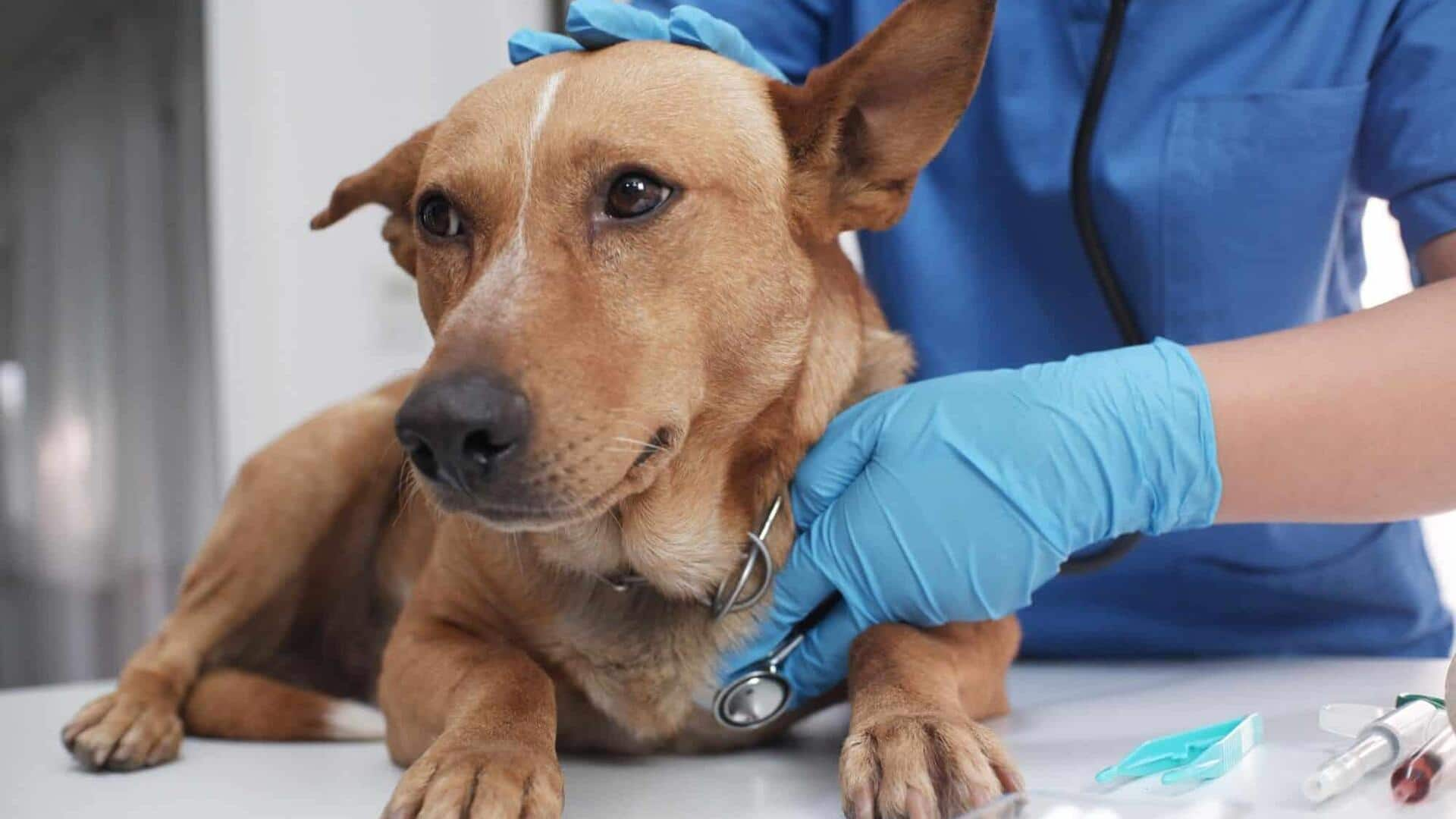
These AI tools can help organize your pet's medical care
What's the story
AI tools are revolutionizing veterinary diagnostics by automating traditionally manual processes. These tools enhance efficiency by delivering faster and more consistent results, significantly reducing human error. By integrating with practice management systems, they streamline workflows and improve diagnostic accuracy. Let's take a look at how the likes of AI-powered analyzers, image and symptom triage tools, and AI scribes are transforming the field of veterinary diagnostics.
#1
Automated diagnostic analyzers
Key AI-powered diagnostic analyzers like Zoetis Vetscan Imagyst automate fecal examinations for parasites and blood diagnostic imaging.
The analyzers automatically integrate results into practice management systems, ensuring seamless workflows.
Parasight further streamlines routine screenings by automating fecal sample parasite detection, meaning less time is spent on the microscope for analysis.
Idexx Neo Diagnostics offers comprehensive lab integration for multiple tests, minimizing delays in result delivery.
#2
Image and symptom triage tools
AI aids image and symptom triage through platforms such as Aristek Systems' AI veterinary diagnostic platform.
The tool analyzes text descriptions, photos, and videos from pet owners to examine conditions like vomiting or skin issues.
It gives preliminary evaluations and urgency ratings round-the-clock.
This remote pre-screening detects severe conditions early, prioritizes urgent appointments, reduces unnecessary visits, and enhances overall diagnostic speed.
#3
Enhancing diagnostics with AI scribes
AI scribes are instrumental in improving diagnostics as they summarize the medical history of patients from the available data.
They create species-specific templates to help vets query records immediately before exams.
Platforms such as VetGeni also generate SOAP notes through conversations with clients, ensuring more time for detailed diagnostics rather than paperwork.
Tip 1
Maintaining objectivity in diagnostics
These advanced tools ensure objectivity in diagnostics by correctly managing veterinary lingo while working with cloud-based systems for real-time collaboration of professionals.
By the end of 2026, using these technologies will lessen cognitive load on employees on busy days at clinics while also ensuring consistency in the face of fatigue—ultimately resulting in faster treatments customized specifically towards better animal outcomes through personalized care plans made possible by machine learning advancements in this space today!