How AI is making roads safer
What's the story
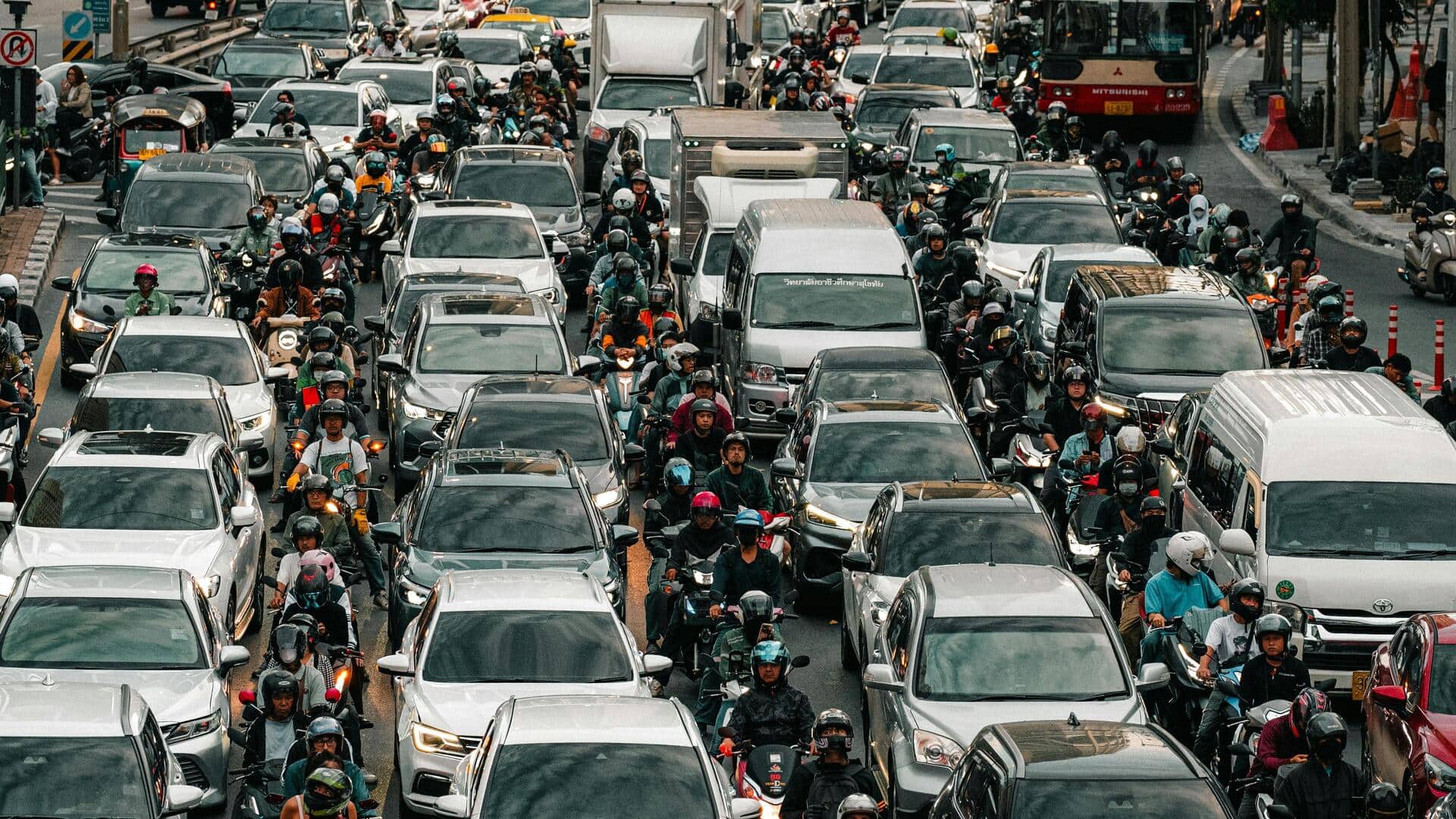
Artificial intelligence is revolutionizing urban transport by making it more efficient and safer. From reducing traffic congestion to optimizing public transit, AI is making city transportation systems faster and more reliable. Real-world case studies show that smart mobility is already yielding tangible results globally. By leveraging AI-powered solutions, cities are transforming how people and goods move, paving the way for a smarter urban future.
#1
Adaptive traffic signal control
AI-powered traffic signal control systems like SURTRAC in Pittsburgh leverage real-time sensor data to modify signal timing depending on the current state of the road.
This way, they minimize the idle time at intersections, emissions, and enhance the flow of travel for all road users.
Tools like NVIDIA Metropolis for video analytics and Google Cloud Vertex AI for prediction models can help build similar adaptive systems in other cities.
#2
Smart public transport optimization
Cities are leveraging AI to study passenger demand and route performance to improve bus and rail services.
By predicting delays and updating schedules accordingly, transit agencies can improve connectivity.
With modern tools like Azure Machine Learning and Python libraries, such as XGBoost, demand can be effectively forecasted, ensuring service is planned well.
#3
Enhancing shared mobility systems
AI enhances shared mobility by anticipating demand surges, enabling operators to reposition vehicles in advance. This minimizes wait times and increases fleet efficiency.
Technologies such as TensorFlow, PyTorch, and Apache Kafka facilitate real-time data processing, which is crucial for optimizing ride-hailing services in highly populated cities.
#4
Smart parking solutions
AI-enabled parking platforms also detect available spaces in real time and guide drivers directly to them. This minimizes congestion due to vehicles searching for parking spots while saving fuel.
Computer vision models with OpenCV and cloud dashboards provide live parking analytics, which make the whole parking process seamless in busy urban areas.
Tip 1
Supporting electric mobility
AI helps EV drivers determine the best routes according to battery range, availability of charging stations, and real-time traffic status.
This makes way for electric transport to be more usable in day-to-day city life.
In fact, platforms like Google Maps platform also power this capability by combining real-time data with customized routing engines designed for EVs.