Can changing color of lighting help treat mental illness?
What's the story
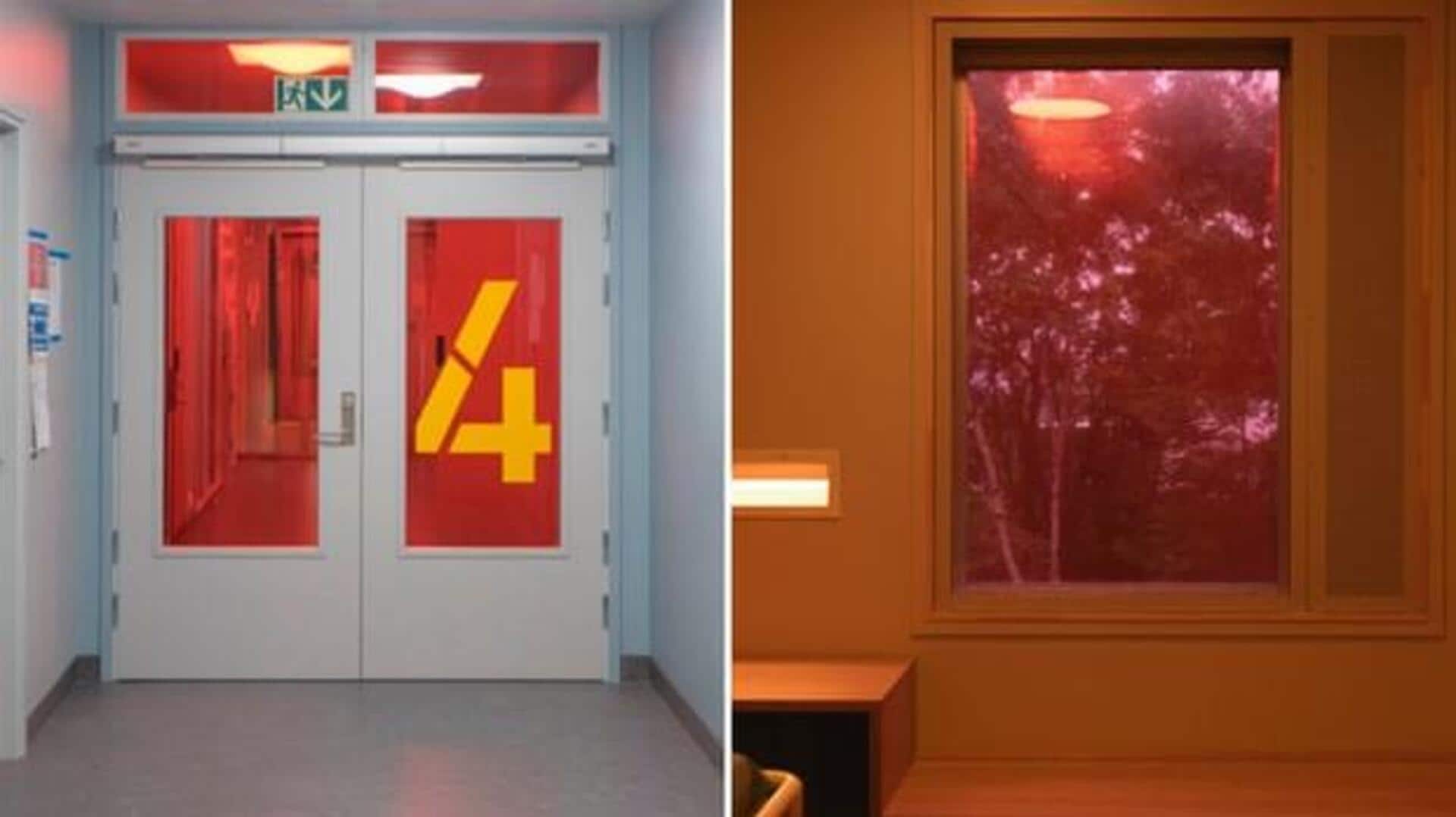
A psychiatric unit in Trondheim, Norway, is testing the use of lighting as a potential treatment for mental health conditions like psychosis and depression. The innovative approach involves changing the ward's design to aid in patient recovery. As night falls, filters are lowered over windows and lights change to a soothing amber hue. This is done to eliminate blue wavelengths that disrupt the body's internal clock.
Biological clock
Circadian rhythm and health
The body's circadian rhythm, a roughly 24-hour biological clock that regulates sleep and other bodily functions, is largely influenced by light.
Disruptions to this cycle have been linked to various health issues, including depression and cardiovascular disease.
The psychiatric ward in Trondheim is testing whether adjusting the lighting can help stabilize these body rhythms and improve patient symptoms.
Ward innovation
Unique study design
The psychiatric unit was divided into two identical halves with the same layout, staffing, and facilities.
The only difference was the evening light environment. One ward used blue-depleted lighting from 6:00pm onward, while blinds and filters blocked similar light from windows and screens.
The other ward used standard hospital lighting.
This unique design allowed researchers to study the impact of different lighting on patient recovery.
Study findings
Significant improvements in patient recovery
The study, published in PLOS Medicine, found that patients treated in the circadian-adapted ward showed greater clinical improvement and less aggressive behavior.
"Just by changing the light spectrum, we can improve the quality of treatment," said Havard Kallestad, a researcher at St Olavs hospital who led the study.
The findings are particularly important as aggression and agitation are common challenges in acute psychiatric wards.
Future prospects
Potential applications in other areas of healthcare
Researchers are looking into the potential use of circadian lighting beyond psychiatric wards.
The UK's National Institute for Health and Care Research has called for trials to see if this approach could help "reset" the internal clocks of people living in care homes, and reduce behavioral disturbances in dementia patients.
Professor Anthony Gordon from NIHR said it was about determining if we can use light therapy to reduce anxiety, and improve sleep.