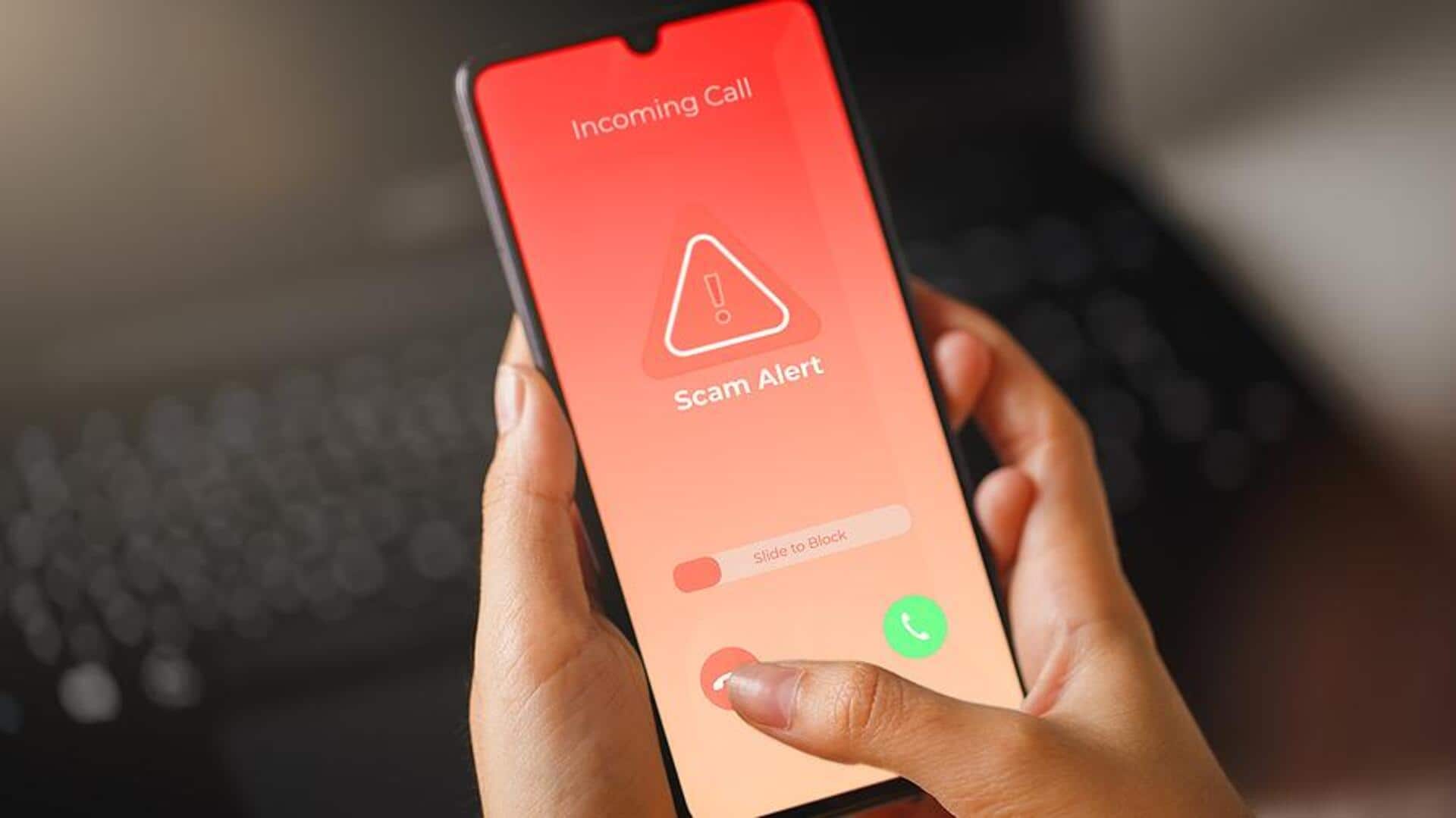
Receiving international call with +91? DoT warns of potential scam
What's the story
The Department of Telecommunications (DoT) has issued a warning to smartphone users about scam calls that appear as "international" but show the +91 prefix. The advisory comes amid rising concerns over spoofed calls and telecom-related cyber fraud in India. The DoT clarified that +91 is India's country code, and real international calls always show the country code of the originating country.
Scam alert
First red flag
The DoT has advised users to treat such calls as suspicious.
"Got a call from +91 claiming it's 'international?' That's your first red flag," the department said in its social media post.
It further explained that scammers are increasingly using caller ID spoofing techniques to make their calls look legitimate or international.
Fraud tactics
Scammers impersonate telecom officials, police officers
Scammers often impersonate telecom officials, police officers, banking representatives, or delivery executives to trick users into divulging sensitive information.
The DoT clarified that a real international call cannot show India's +91 code unless the caller is actually using an Indian mobile number.
Cybersecurity agencies and telecom authorities have repeatedly flagged spoofed calls as a major fraud risk.
Information theft
Spoofed calls used to steal banking details, passwords
Spoofed calls are commonly used to steal banking details, OTPs, passwords, and other personal information.
Scammers often try to create panic by threatening users with SIM deactivation, fake legal action, unpaid bills, or suspicious parcel claims.
Some scams even involve users being redirected to malicious links or fake customer support services.
Reporting fraud
DoT advises users not to share financial or personal details
The DoT has advised users not to share financial or personal details during unsolicited calls and to remain cautious while interacting with unknown numbers.
It has also asked users to report such suspicious numbers and telecom fraud attempts through the Sanchar Saathi platform.
The government-backed service allows reporting of fraudulent communication and accessing telecom safety-related services.