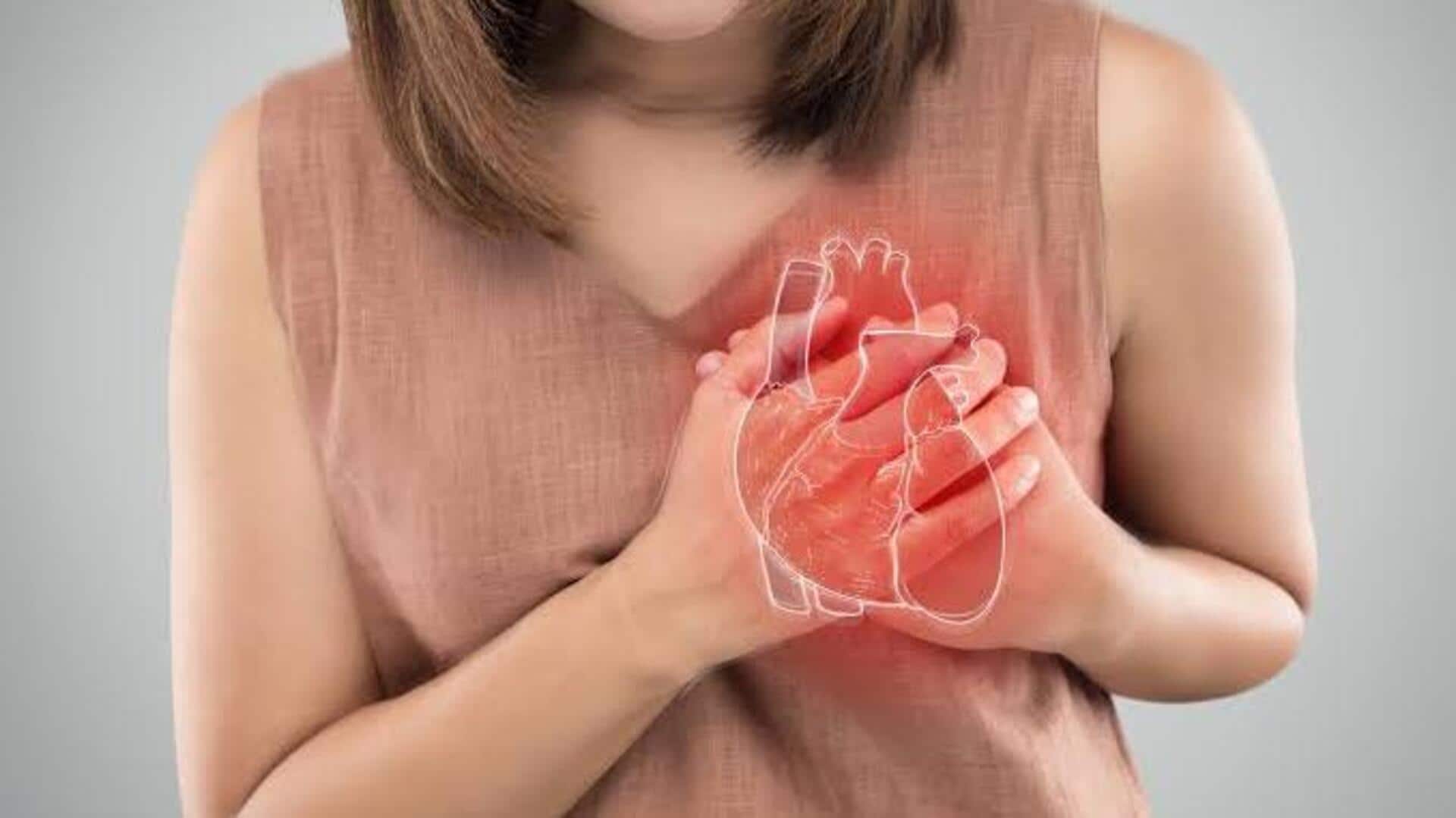
This new definition of heart attack is beneficial for women
What's the story
The world's leading cardiovascular health organizations have agreed to a new universal definition of a heart attack. The move is expected to greatly improve treatment for millions of women, who have long been overlooked in this area. The historic agreement was announced at the annual congress of the European Society of Cardiology (ESC) in Munich.
Gender bias
Gender bias in heart attack diagnosis
The new guidelines aim to address the gender bias that has long plagued heart attack diagnoses.
Certain less common types of heart attacks, which usually affect women more than men, have been considered less serious and treated accordingly.
This has resulted in women receiving less effective treatments that don't always target the specific cause of their heart attack, sometimes even worsening their condition.
Improved diagnosis
Upgrading types of heart attacks
The new guidelines will upgrade three types of heart attacks that are up to 10 times more common in women. These types are often triggered by childbirth, exercise, and emotional stress.
The most serious cases, now called "primary" heart attacks, were previously defined as those caused by a clot blocking blood flow to the heart.
However, the types of attacks more common in women involve reduced blood flow for other reasons and are more likely to be missed.
Diagnostic threshold
Lowering threshold for diagnosing heart attacks in women
The new guidelines also propose lowering the threshold for diagnosing any type of heart attack in women based on levels of a protein called troponin in their blood.
Troponin is released when the heart is injured and damaged.
Until now, women were expected to reach the same troponin level as men to get a diagnosis.
Patient understanding
Helping women understand their condition better
The new streamlined heart attack categories will also help patients fully understand the cause of their heart attack and what comes next.
The three types of heart attacks that have been upgraded are coronary artery spasm, coronary embolism, and spontaneous coronary artery dissection (SCAD).
These mostly affect women and involve the tightening of the artery, a blood clot or fatty deposit traveling to a coronary artery causing blockage, or a tear in the coronary artery.
Partners
Who developed the new guidelines?
The new guidelines were developed by the ESC, American College of Cardiology, American Heart Association, and World Heart Federation.
Professor Nicholas Mills from the University of Edinburgh, who led the international taskforce of doctors that agreed on these new guidelines, said it was "the first time that we've had a truly global approach to aligning how we diagnose what is probably the most important diagnosis there is."