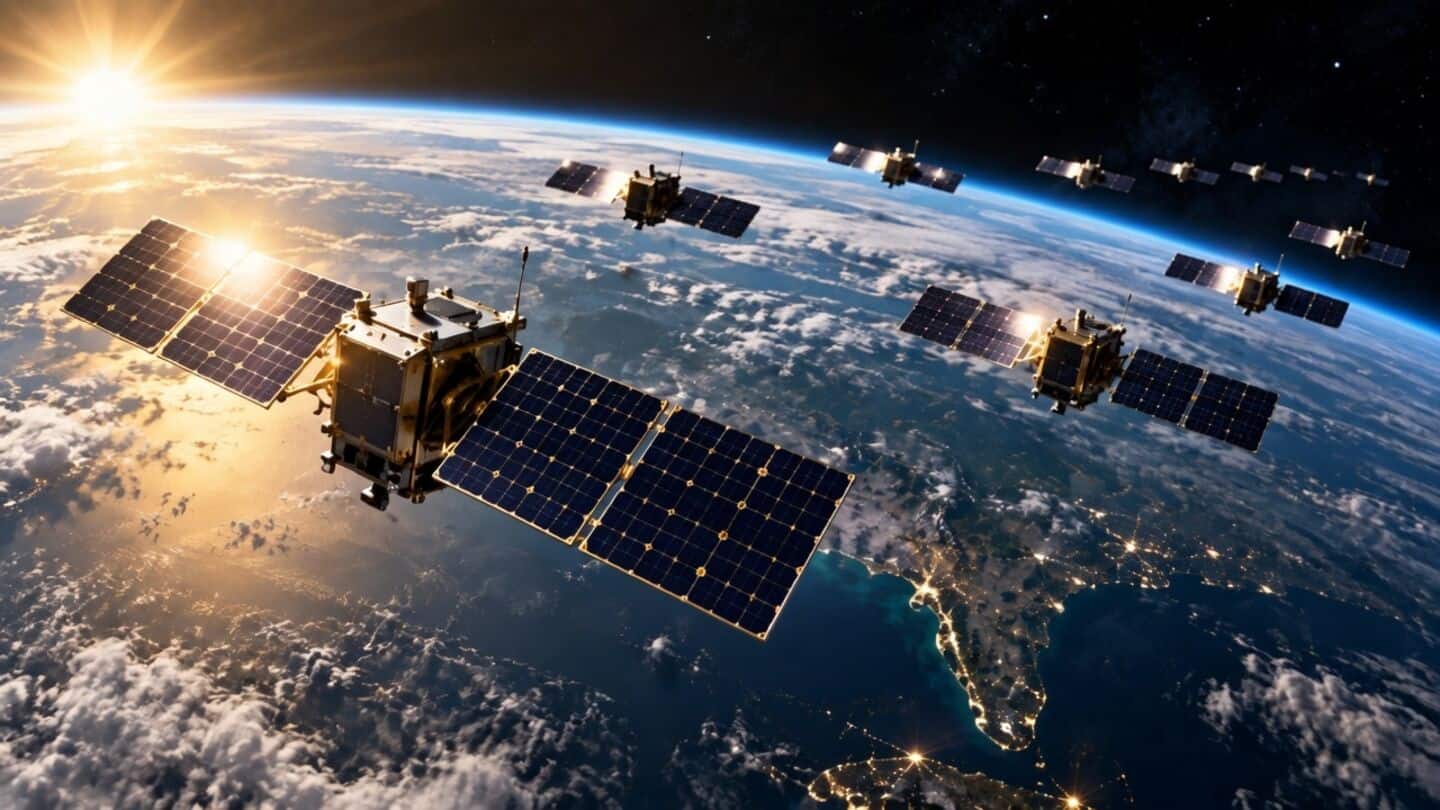
Google's Project Suncatcher tests Trillium TPUs on SpaceX Transporter-18
Google is taking AI to a whole new level, literally. With Project Suncatcher, they're planning to launch solar-powered satellites that can process data using artificial intelligence, all while orbiting Earth.
To kick things off, Google and Planet are sending Google's Trillium TPUs (AI chips) on SpaceX's next Transporter-18 mission, just to see how these chips handle space radiation and extreme conditions.
Google prepares TPUs for 100g stresses
The big idea is a network of satellites running complex AI tasks on solar energy. But space isn't exactly friendly: during launch, parts face forces up to 100 times stronger than gravity here on Earth.
To prep for this, Google put its TPUs through tough vibration and radiation tests at UC Davis.
They're also working on heat pipes, radiators (since there's no air in space to cool things down), and laser links so the satellites can "talk" to each other.
If all goes well, we could see the first laser-connected satellites tested by 2027.