Moon and Jupiter to align tonight: How to watch
What's the story
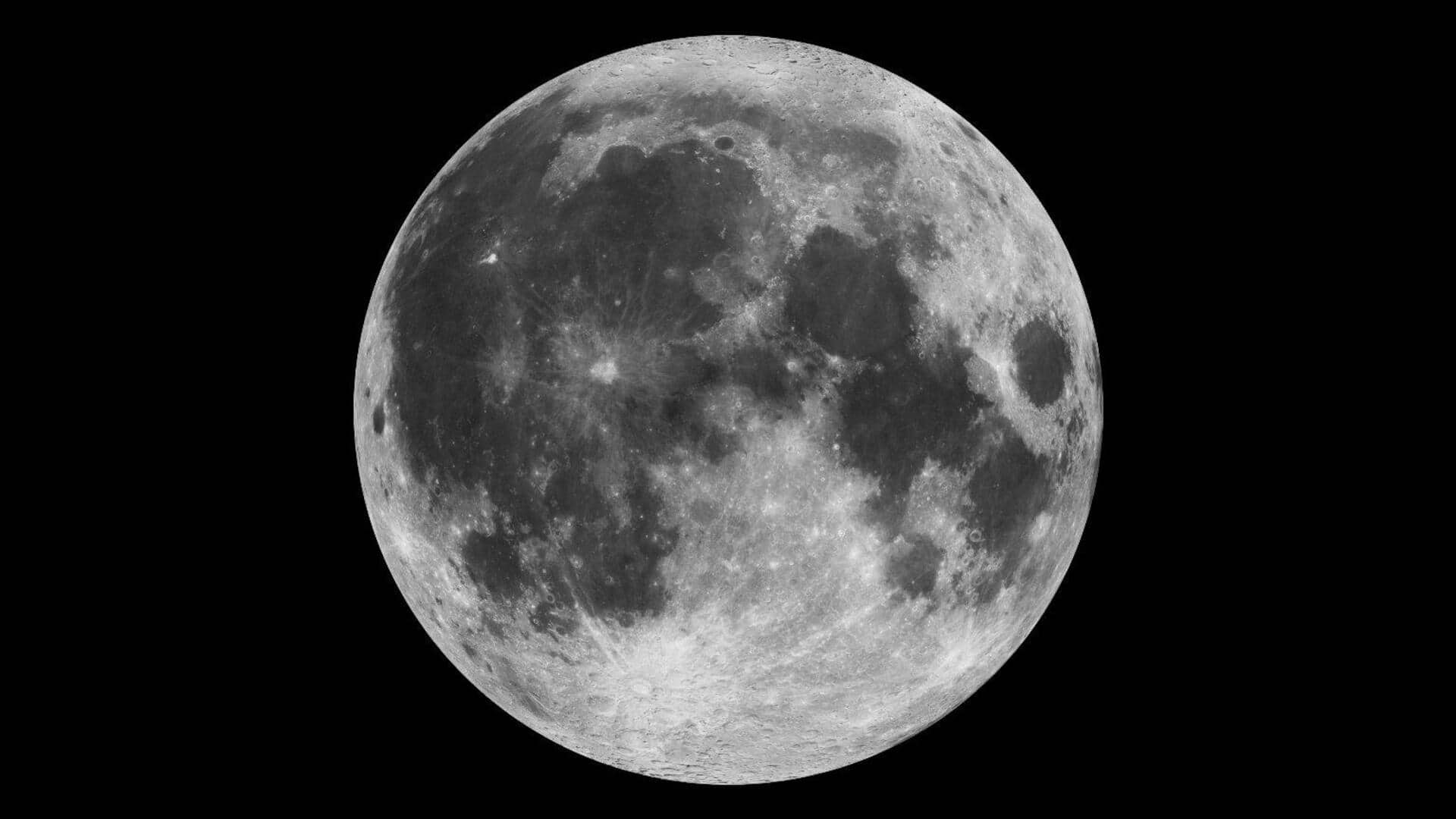
The waning gibbous Moon will be close to Jupiter tonight. The 83%-lit Moon will rise around three hours after sunset, with Jupiter shining less than five degrees to its upper right. This is almost the width of your three middle fingers held at arm's length against the sky. The two celestial bodies will be in the constellation Gemini, making for a spectacular sight for stargazers.
Celestial alignment
Jupiter and Moon to reach zenith early morning
Jupiter and the Moon will reach their zenith in the early hours of December 8.
They will be almost directly overhead in the southern sky, with bright stars Castor and Pollux of the Gemini constellation twinkling above them.
This unique celestial alignment is a great opportunity for amateur astronomers to observe these two solar system objects with the naked eye or through a small telescope.
Viewing advice
Viewing tips for the celestial event
For a better view of Jupiter's intricate cloud bands and storms, a small backyard telescope with at least a 4-inch aperture is recommended.
Stargazers might also be able to spot the four star-like points of light representing Jupiter's Galilean moons, Ganymede, Io, Europa, and Callisto, around the planet's massive disk.
This will add an extra layer of detail to the already stunning sight of Jupiter and the Moon in close proximity.
Lunar observation
Tycho crater on the Moon's surface
While observing this celestial event, don't forget to take a look at the Moon too. A telescope can reveal the impressive Tycho Crater on the lunar surface.
This is a stark reminder of how asteroids can leave their mark on our solar system's worlds, including Earth.
The crater is just 108 million years old, making it relatively young compared to some of the oldest lunar craters that are up to 3.9 billion years old.