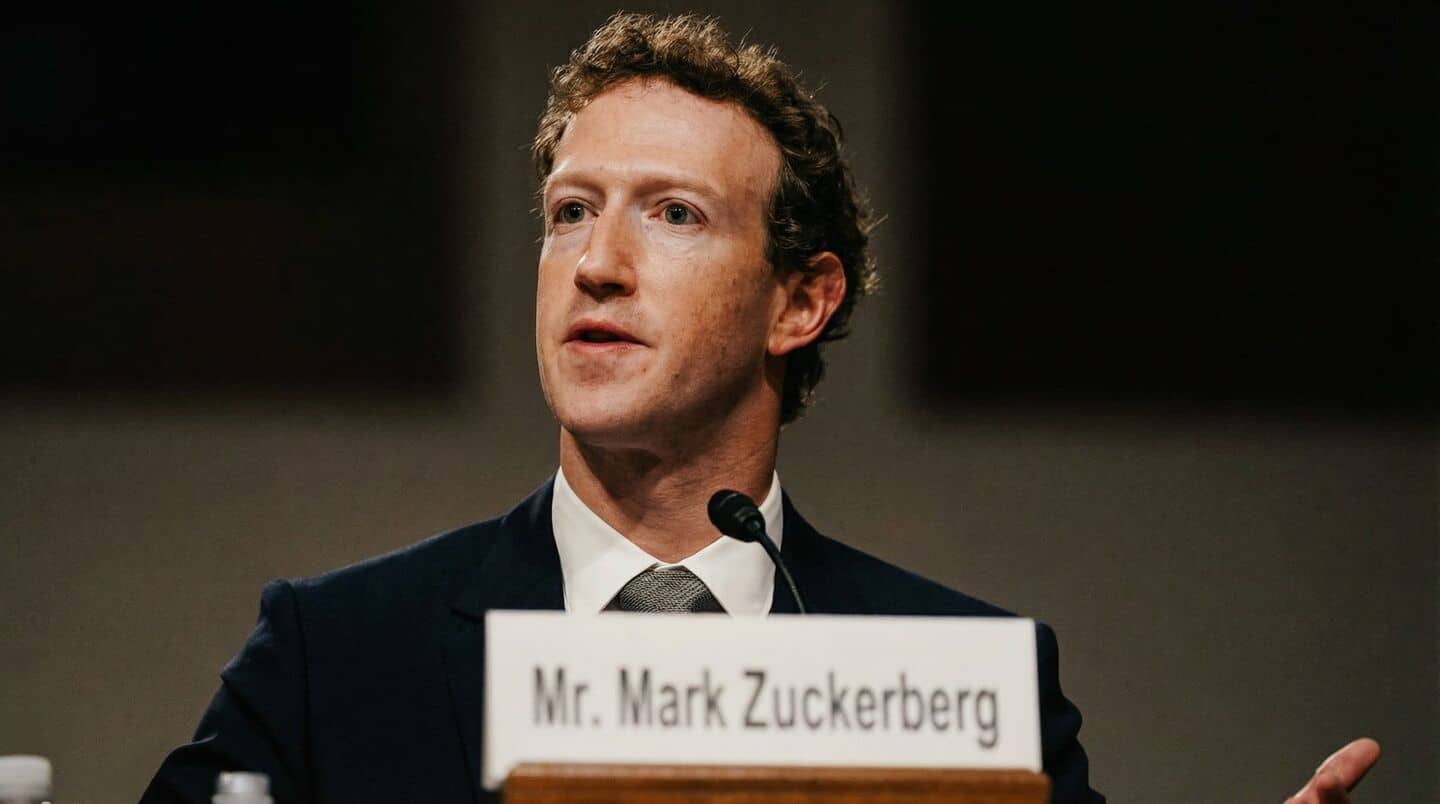
Meta was slow to identify underage users on Instagram: Zuckerberg
What's the story
Meta CEO Mark Zuckerberg has admitted that his company was slow to identify underage users on Instagram. The admission came during a landmark social media trial in California, where the tech giant is accused of intentionally hooking children to its platforms. Notably, users under 13 are not allowed on Instagram. The case is one of many lawsuits filed by American families against social media companies over their alleged role in harming children's mental health and well-being.
Court proceedings
Zuckerberg grilled over age verification processes
Zuckerberg was the star witness in the trial, which is expected to set a legal precedent for thousands of similar lawsuits.
The Meta CEO was grilled by plaintiff lawyer Mark Lanier over age verification processes and his company's business model.
Internal emails presented in court revealed that some Meta employees had warned about the inadequacy of age verification systems and highlighted that increasing Instagram usage had long been a key objective for the company.
Case details
Kaley's case highlights loopholes in age verification
The trial will determine if Meta and Google-owned YouTube are liable for the mental health issues of 20-year-old Kaley G.M., a heavy social media user since childhood.
Despite being underage for Instagram, Kaley managed to sign up for the platform easily when he was young, prompting Lanier to question Zuckerberg about this loophole in age verification.
An internal document revealed that Instagram had four million under-13 users in 2015 when Kaley adopted the app.
Defense strategy
Meta now uses identification tools to verify age
Zuckerberg defended his company's current age verification measures, saying they are "in the right place now."
He said new tools and methods will be introduced over time.
The platform now uses identification tools that help it verify a person's age, particularly based on content choices and interactions.
Despite admitting that there were once goals around usage time, Zuckerberg insisted the company's intention was always to "build useful services" connecting people.
Legal implications
TikTok, Snapchat have settled with the plaintiff
The trial will also decide if Google and Meta designed their platforms to promote compulsive use among young people, thereby harming their mental health.
The case seeks to set a precedent for resolving thousands of lawsuits blaming social media for an epidemic of depression, anxiety, eating disorders and suicide among young people.
TikTok and Snapchat have settled with the plaintiff before the trial began.