NASA delays Artemis II Moon rocket rollout: Know why
What's the story
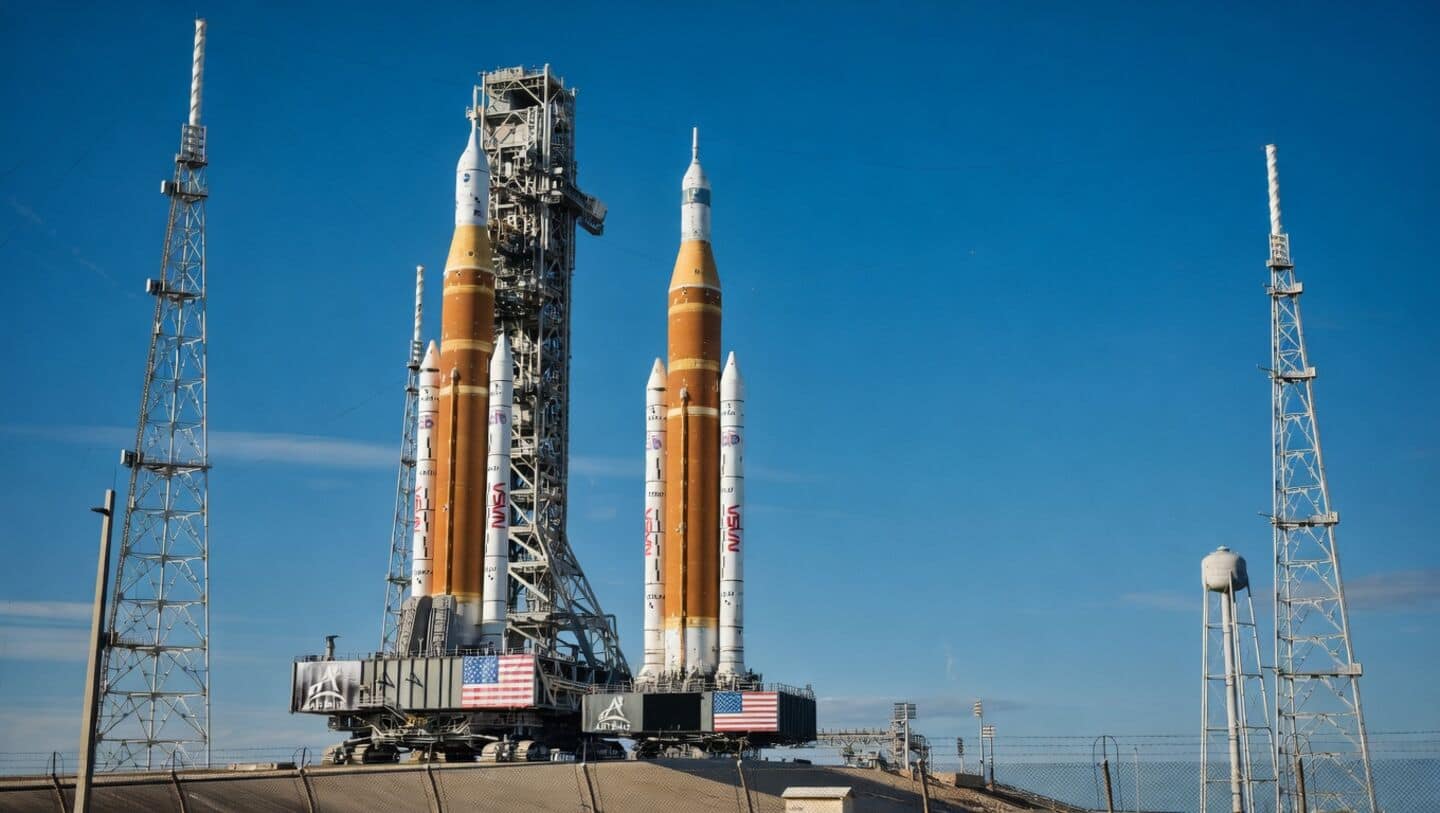
NASA has pushed back the rollout of its highly anticipated Artemis II Moon rocket to the launch pad by at least a day. The delay was caused by a minor technical issue that was discovered during final preparations. The teams are now targeting Friday, March 20, for the move from the Vehicle Assembly Building to Launch Pad 39B at Kennedy Space Center in Florida.
Problem solved
What caused the delay?
The delay was caused by an issue with an electrical harness associated with the flight termination system on the rocket's core stage.
This system is a critical safety component that can neutralize the rocket in case it goes off course during launch.
According to officials, the faulty harness has been replaced and teams are continuing final checks ahead of rollout.
Transport details
The rollout journey to Launch Pad 39B
The rollout journey to Launch Pad 39B will take as long as 12 hours once it begins.
The massive rocket will be transported atop NASA's crawler-transporter, a historic vehicle that has been used for decades to carry Saturn V and Space Shuttle missions to their launch sites.
The agency plans to live-stream the rollout, giving space enthusiasts a real-time view of this slow but symbolic journey.
Weather watch
Weather conditions could influence the timing
As technical readiness is being restored, teams are also closely monitoring weather conditions in the coming days. These conditions could influence both the rollout timing and launch preparations.
Despite this brief delay, NASA has confirmed that the timeline still supports a potential launch attempt on April 1 at the opening of the designated launch window.
Mission significance
Significance of Artemis II mission
The Artemis II mission is a major milestone in NASA's broader Artemis program, which aims to return humans to the Moon and establish a sustained presence there.
The successful rollout and launch will pave the way for future missions, including a planned crewed lunar landing later this decade.
This ambitious plan marks humanity's return to the Moon after more than 50 years.