Pink Moon to meteor shower: Must-watch celestial events in April
What's the story
April 2026 promises to be a month of celestial wonders, with eight major astronomical events lined up for skywatchers across the globe. From a bright comet to a rare planet parade and one of the year's most anticipated meteor showers, there's plenty to look forward to. The month will kick off with the Pink Moon on April 1, which will be visible throughout the night.
Celestial alignments
Mercury's western elongation and comet maps' perihelion
On April 3, skywatchers can catch Mercury's Western Elongation at 6:32pm EDT.
The next day, on April 4, Comet C/2026 A1 (MAPS) will come extremely close to the Sun at 10:23am EDT. This event promises a spectacular view for astronomy enthusiasts.
Celestial gatherings
Planetary parade and Moon-Venus-Pleiades alignment
From April 16-23, skywatchers can witness a rare planetary parade during the pre-dawn hours from 4:30am to 5:30am EDT.
This event involves several planets aligning in a row, creating a stunning sight for stargazers.
The Moon-Venus-Pleiades alignment will take place on April 18-19 during the same time window as the planetary parade, adding another layer of beauty to this celestial display.
Cosmic spectacles
Whirlpool Galaxy and Lyrid meteor shower
The Whirlpool Galaxy will be visible from April 20-30 during late evening to midnight (10:00pm to 12:00am EDT). This spiral galaxy is a deep-space marvel.
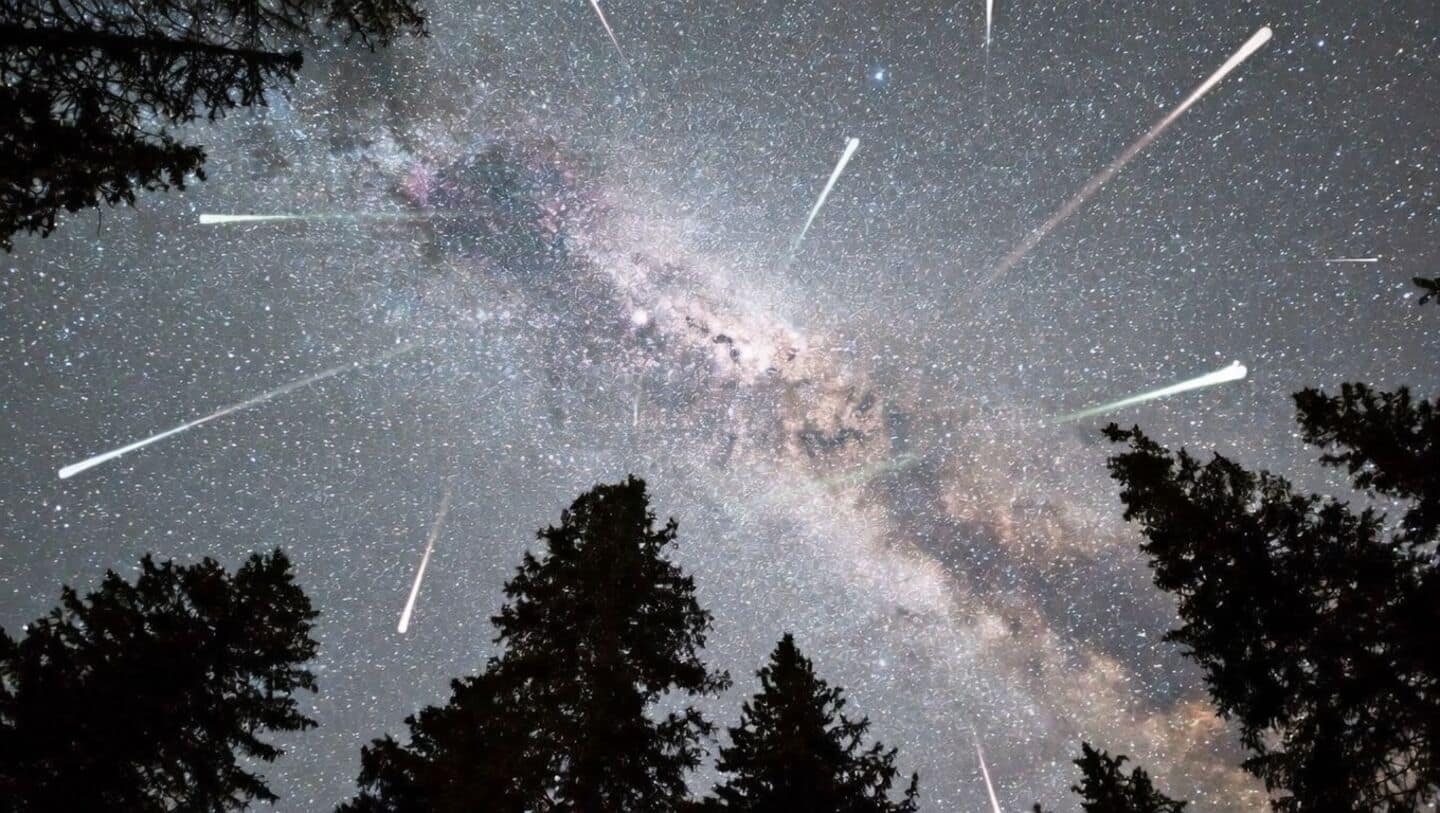
The Lyrid meteor shower will peak on April 22-23, providing an incredible show of shooting stars between midnight and 4:00am EDT.
Viewing advice
Tips for skywatchers
The Aurora Borealis, or Northern Lights, will be visible from April 25-30 during nighttime hours (10:00pm to 2:00am EDT).
To witness these celestial events, it's best to head to dark-sky locations away from city lights.
Pre-dawn events can be cold so wear layers and bring a chair or blanket.
Always follow local safety guidelines if stargazing in remote areas.