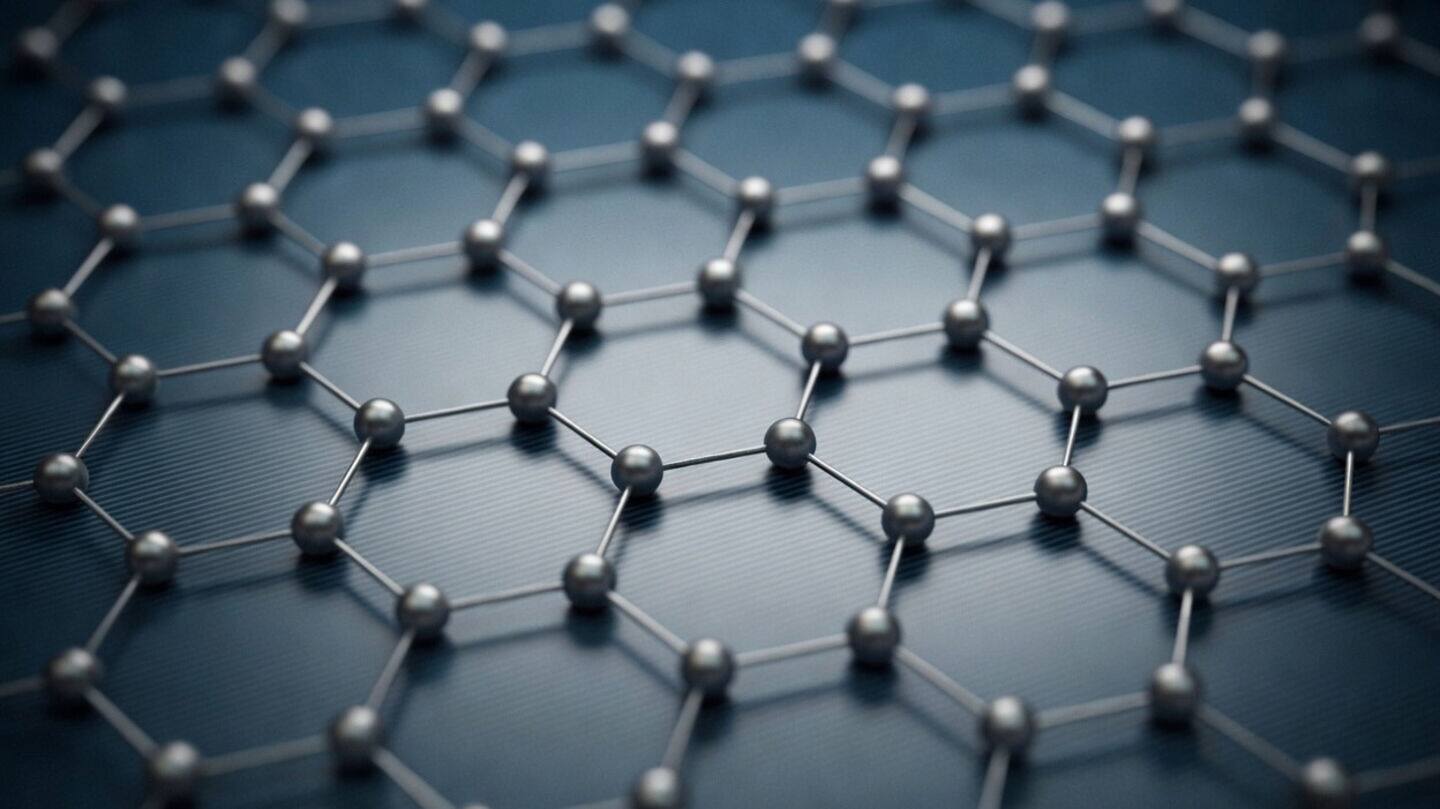
Producing graphene-based quantum chips might soon become easier
What's the story
A team of researchers from China's Peking University has made a major breakthrough in the field of quantum computing. Their study, published in the peer-reviewed journal Science, details how they have overcome a key hurdle toward practical quantum computers. The team has come up with a realistic platform for the production of graphene-based quantum chips, with graphite as the primary material.
Material significance
Synthesizing rhombohedral graphene
The research team, led by Liu Kaihui, successfully synthesized a highly sought-after form of graphene called rhombohedral graphene.
This was done with unprecedented purity and size.
Rhombohedral graphene is highly valued for its potential to host exotic quantum states, but its instability has made large-scale production difficult until now.
Synthesis innovation
A new approach
Previously, the only way to obtain rhombohedral graphene was through mechanical exfoliation. However, this method was not scalable.
The Peking University team has now proposed a new approach that could potentially make large-scale production of this vital material possible.
This breakthrough could pave the way for more practical applications of quantum computing technology in the future.