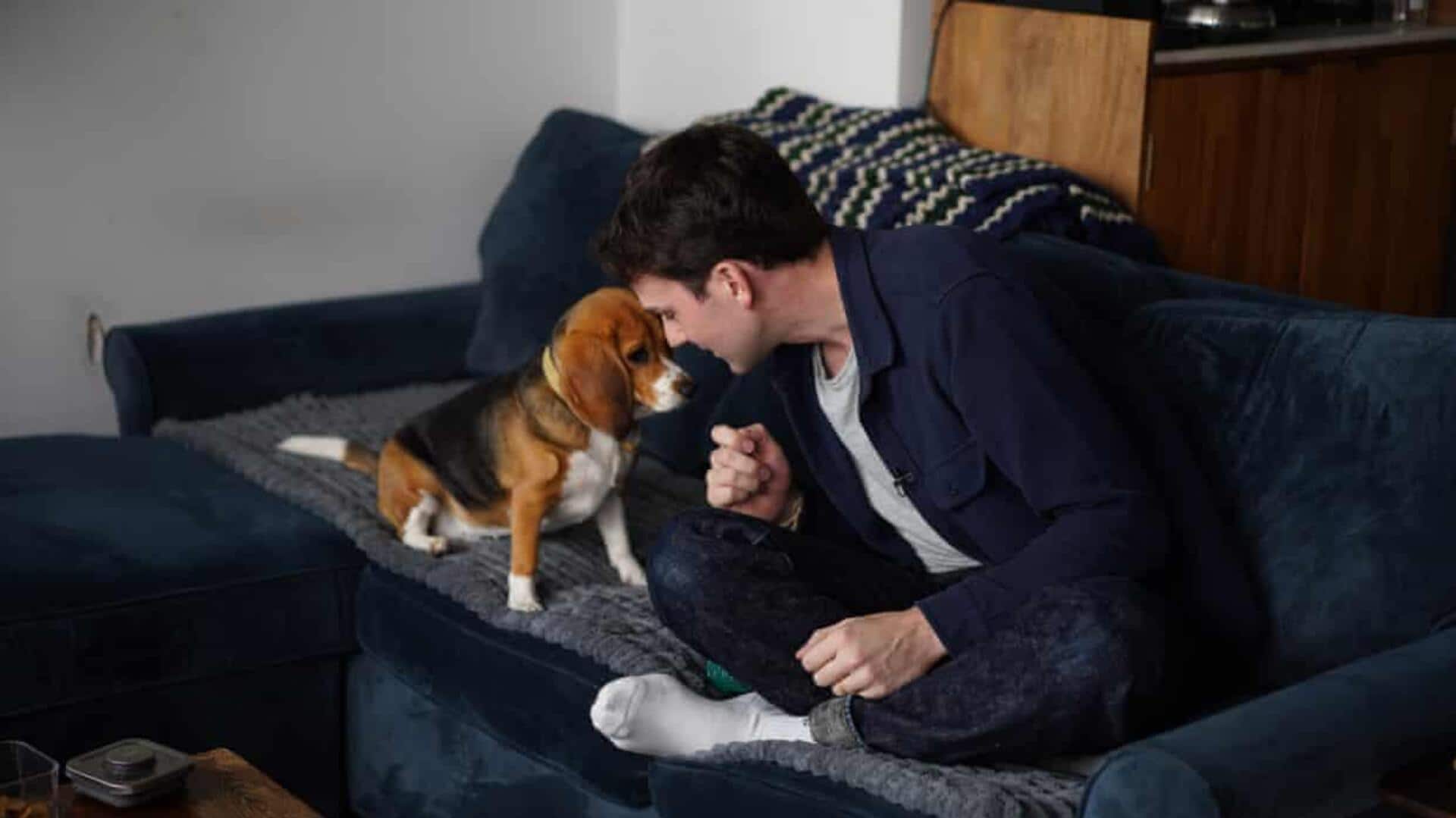
These gene-edited beagles will not trigger your allergies
What's the story
In a groundbreaking development, scientists have successfully created two hypoallergenic beagles through gene editing. The innovative work was done by Matt Walker and his team at Kindred Companion Sciences. Their research involved using a Nobel Prize-winning technique called CRISPR to eliminate a key allergy-causing protein from the saliva and hair of the dogs.
Personal impact
Walker's personal breakthrough
Walker's personal experience with Bailey, one of the hypoallergenic beagles, has been life-changing.
He can now play fetch with her in Central Park without triggering his allergies.
"The feeling right now is sort of a mix of relief and awe and gratitude that it worked," Walker said.
However, he also noted that this breakthrough doesn't mean all dog-related allergies have been eliminated.
Future considerations
Concerns about the potential harm to shelter animals
The long-term health effects of this genetic modification still need to be studied. Scientists also have to find ways to make this technique commercially viable.
Bioethicist Arthur Caplan from NYU's Grossman School of Medicine raised concerns that this could potentially harm shelter animals waiting for adoption.
He said, "On the negative side, it may discourage people from trying to use strays and unwanted animals that are not engineered to be allergy-free."
Past efforts
Previous attempts at hypoallergenic pets
Prior attempts to create hypoallergenic pets have largely relied on cloning, often resulting in genetically similar and unhealthy pups.
Two years ago, scientists used CRISPR to lower levels of an allergy-causing protein in a cat named Alsik. However, its safety for other cats remains untested.
The current research is the first successful attempt at this method with dogs, as noted in a study published in The CRISPR Journal.
Next steps
Future directions for research
The gene-edited hypoallergenic dogs should be tested on more people with pet allergies to ensure they can alleviate symptoms for a wider range of individuals.
Walker hopes to expand this technique beyond beagles by testing it on other dog breeds and service animals.
The genetic edit made in Bailey and Alfie is rare but naturally occurs in some dogs, reducing the risk of any adverse effects on these pups.