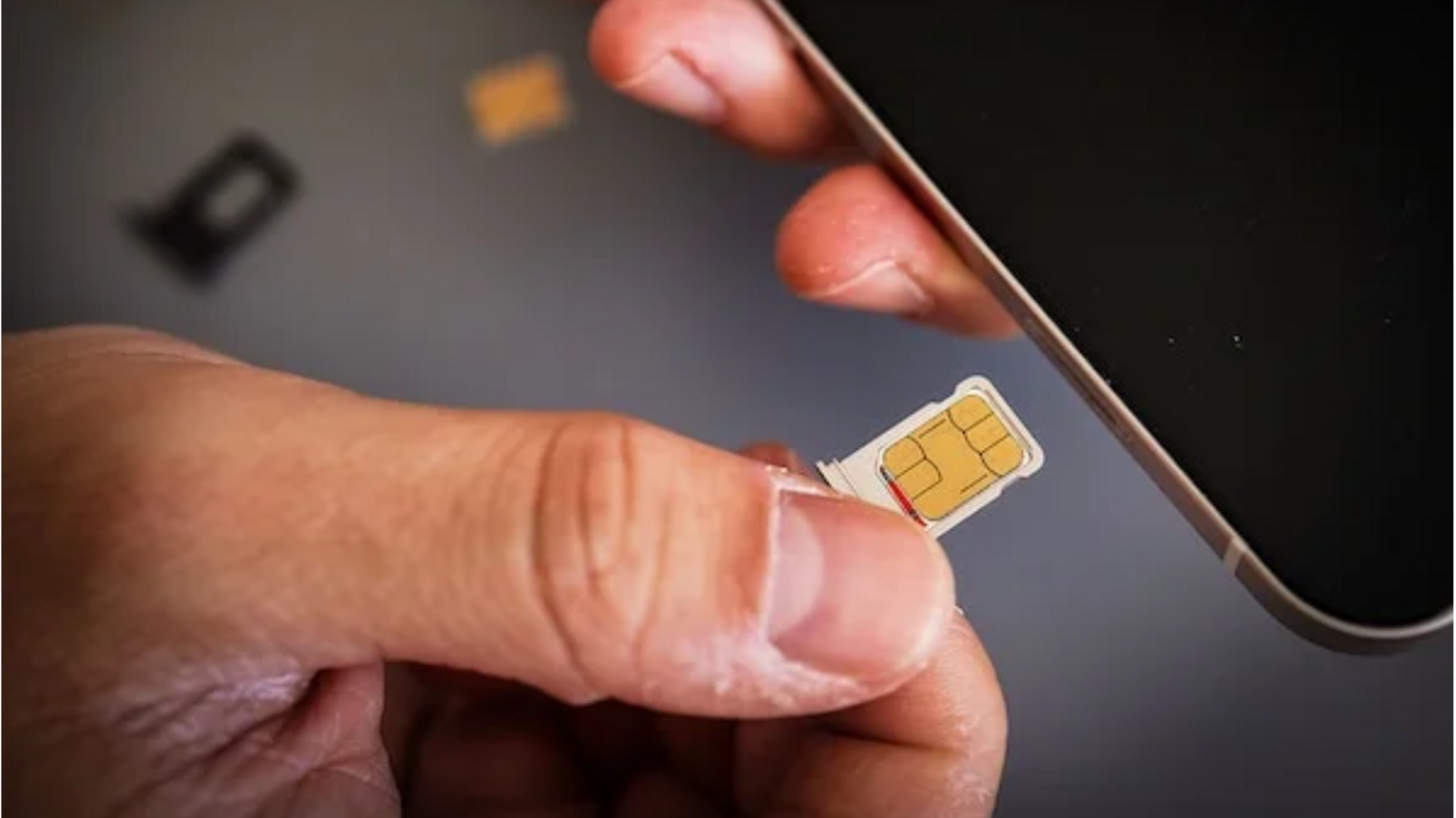
What SIM binding really means for your phone
What's the story
From March 1, popular messaging apps like WhatsApp, Telegram, Signal, and others have to comply with the Department of Telecommunications (DoT)'s SIM-binding rule. The directive ties access to these apps directly with the physical SIM card in your phone. Issued on November 28 under the Telecom Cyber Security Rules, 2024, the order gave platforms a 90-day window to comply, ending on February 28, with no extension granted by the government.
Compliance changes
How SIM binding works
The new compliance framework mandates that apps ensure the registered SIM is physically present and active on your primary device.
If it's removed, swapped, or deactivated, the app will stop working until the original SIM is reinserted and verified again.
This rule applies to all major platforms including WhatsApp, Signal, Snapchat, ShareChat, Telegram, JioChat, Arattai, and Josh. However, it only applies to India-registered accounts.
User disruptions
Impact on WhatsApp Web and multi-device setups
The new rule will have the biggest impact on WhatsApp Web and desktop users, as sessions will now auto-logout every six hours.
This means a fresh QR code scan from the phone with an active SIM would be needed.
Multi-device setups like Linked Devices that let you use WhatsApp on tablets and secondary phones without keeping your primary device online will also be affected by this rule.
Cybersecurity measure
Government's stance on SIM binding and industry concerns
The DoT has tied SIM binding to a surge in cyber fraud, with scammers allegedly authenticating Indian numbers once and then operating accounts remotely.
Communications Minister Jyotiraditya Scindia defended the move as essential for national security and digital traceability.
Despite industry bodies representing messaging platforms raising concerns about potential user inconvenience, the government insists these rules are necessary to protect users and strengthen India's overall cybersecurity infrastructure.