World is seeing more rain but also getting drier simultaneously
What's the story
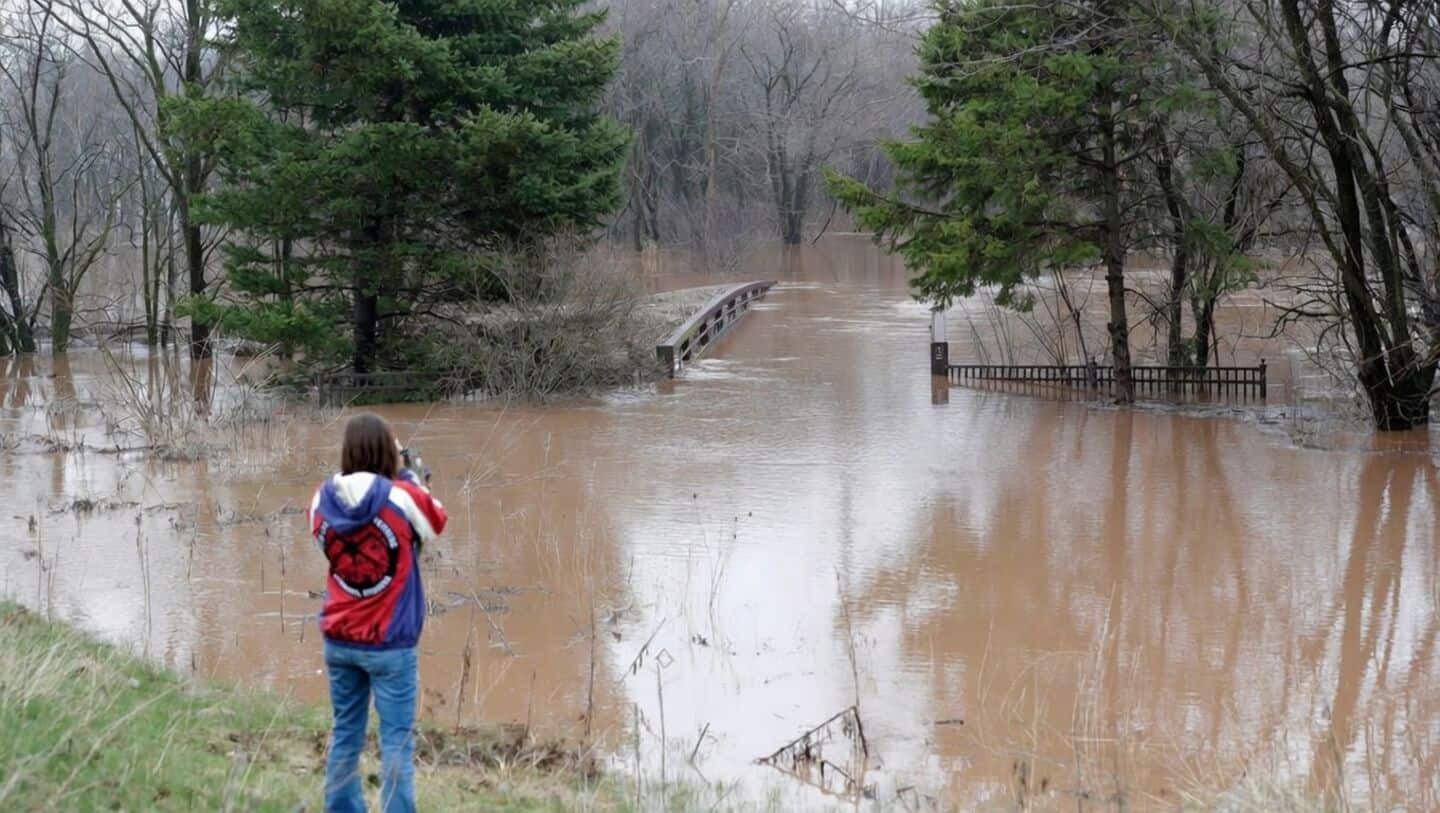
A new study has revealed a strange and worrying trend in global rainfall patterns. It found that while the world is experiencing more rain, it is also getting drier at the same time. This paradox can be explained by the fact that rainfall is becoming more concentrated into bigger storms with longer dry spells in between. The research, published in British journal Nature, highlights how this pattern leads to less water for aquifers and ecosystems, even as total precipitation increases.
Impact on ecosystems
Lead author's explanation
The study's lead author, Corey Lesk, a Dartmouth College fellow, explained the phenomenon in an email to USA TODAY.
He said, "Regardless of how much precipitation falls, when rain and snow come in stronger bursts separated by longer dry spells, less water tends to remain on the land (in soils, lakes, and groundwater) for use by people...nature."
This is because soil can only absorb so much water at once before it starts collecting on the surface where evaporation becomes easier.
Research findings
Research findings
The researchers examined global precipitation records from 1980 to 2022 and found that annual rainfall has become more concentrated, regardless of whether the local climate is wet or dry.
Justin Mankin, an associate professor of geography at Dartmouth and senior author of the study, explained this trend by saying "it's not just supply that counts, but also how it's delivered."
He likened rainfall concentration to asking land to drink from a firehose.
Climate impact
'Rainfall concentration is essentially asking land to drink from firehose
"Rainfall concentration is essentially asking the land to drink from a firehose. When rainfall is intense, you get more consecutive dry days, but more important is that heavier rains lead to surface ponding that is more easily evaporated by the atmosphere," he added.
"It doesn't matter where you are, more consolidated rainfall means less water is available for the land," Mankin said.
Climate change
Climate change behind it?
Is climate change to blame for this pattern?
Lesk said they didn't specifically test how much climate change is driving the trend of more concentrated precipitation.
However, he added that "they are consistent with what we would expect from the theory of how warming shapes how rainfall is distributed in time."
The study predicts that as global temperatures rise due to climate change, rainfall will become more concentrated.
Water management
Implications for water management
According to the study, a 3.6-degree Fahrenheit increase could result in unusually dry land conditions for 27% of the world's population, offsetting any gain in total rainfall.
Mankin said an irregular boom-bust cycle of excessive rains and protracted droughts will affect the management of public water supplies, particularly in desert regions where water storage is crucial.
"But the good news is...if we understand this concentration effect, we can incorporate it better into water management, drought forecasting," Lesk told USA TODAY.