Study finds malaria steered early humans away from African regions
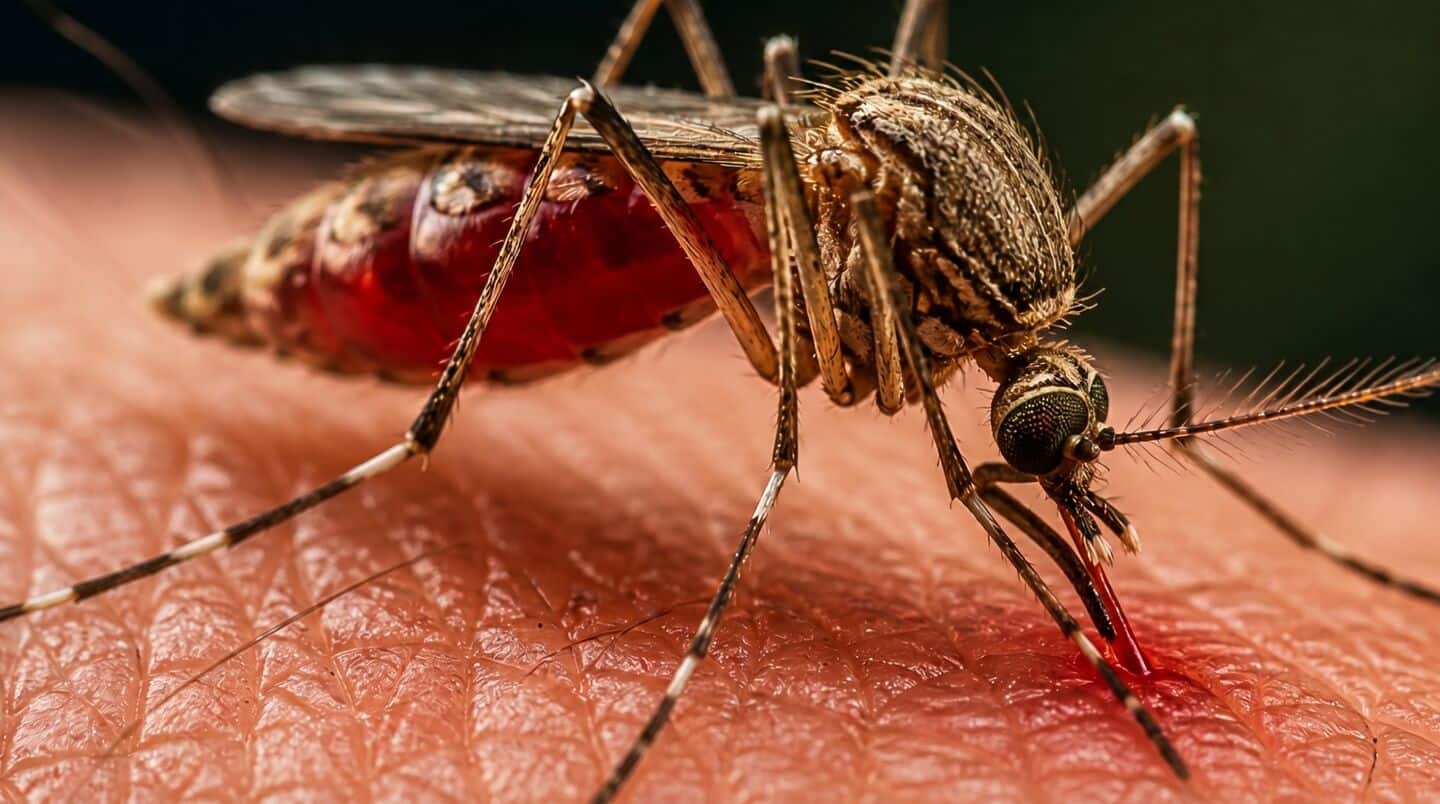
Turns out, malaria didn't just make people sick. It actually changed where our ancestors settled in Africa.
A new study from the Max Planck Institute of Geoanthropology and University of Cambridge (published May 1, 2026) found that early humans avoided areas with high malaria risk.
This led to scattered, fragmented groups, which may help explain the genetic diversity seen in African populations today.
The research points out that disease played a much bigger role in human evolution than we usually think.
Models show malaria drove African isolation
Researchers looked at data from 74,000 to 5,000 years ago and used advanced models, along with paleoclimate information, to assess ancient malaria risk.
Because people steered clear of these risky zones, communities stayed isolated and didn't mix as much.
This challenges old ideas about how humans spread out and adapted, showing that diseases like malaria were just as important as the environment in shaping who we are today.