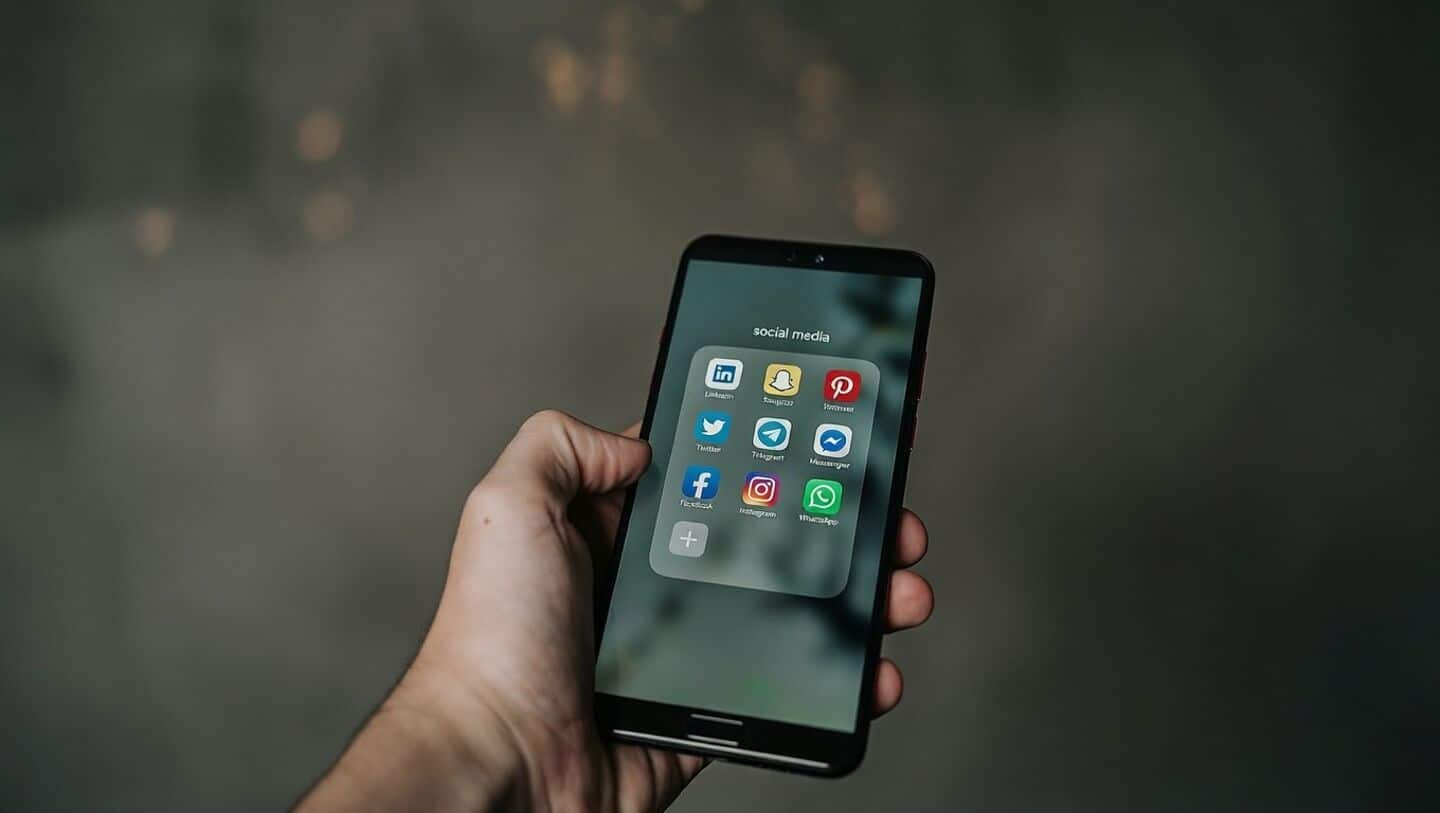
Social media break boosts well-being, Stanford University study finds
What's the story
A recent study led by Stanford University has shown that taking a break from social media platforms like Facebook and Instagram can have positive effects on emotional well-being. The research, one of the largest of its kind, involved over 35,000 participants who were paid to temporarily deactivate their accounts on these platforms. The findings come as governments around the world consider stricter regulations for younger users due to rising concerns about digital addiction and mental health.
Findings
Breaks lead to lower anxiety, depression
The study found that participants who took a break from social media reported lower levels of anxiety and depression, as well as a boost in overall happiness.
The improvements were modest but statistically significant, indicating that even short breaks can have a tangible impact on day-to-day emotional states.
Interestingly, many participants didn't significantly reduce their overall screen time but shifted their usage to other apps instead.
Variations
Demographic differences in effects
The study also revealed demographic differences in the effects of social media breaks.
Among Facebook users, those over 35 benefited the most, while for Instagram users, women under 25 showed the strongest improvements.
However, it's worth noting that this research was conducted before the 2020 US election, a time of heightened online tension, and participants volunteered and were financially incentivized which could affect how broadly these findings apply.
Regulation
Australia's ban on under-16 social media access
The study's findings contribute to a larger global conversation about regulating social media use, especially among children.
Australia has already taken the lead by becoming the first country to ban social media access for users under 16.
However, early reports indicate that enforcement remains a challenge with many children still finding ways to access these platforms.
Challenges
India considers similar restrictions
In India, regional efforts are also underway with states like Karnataka and Andhra Pradesh announcing similar restrictions to limit children's exposure to social media.
However, the effectiveness of these measures is yet to be fully assessed.
Even major tech companies like Meta Platforms have acknowledged limitations in existing safeguards, further raising questions about platform accountability.
Systemic approach
Challenges in enforcing age restrictions
Despite the push for restrictions, experts argue that outright bans may not be a comprehensive solution.
Malcolm Gomes, COO at Privy by IDfy, says enforcing such measures at scale in a country like India is challenging due to age verification issues.
Most platforms still rely on self-declared information making it easy for underage users to bypass restrictions.