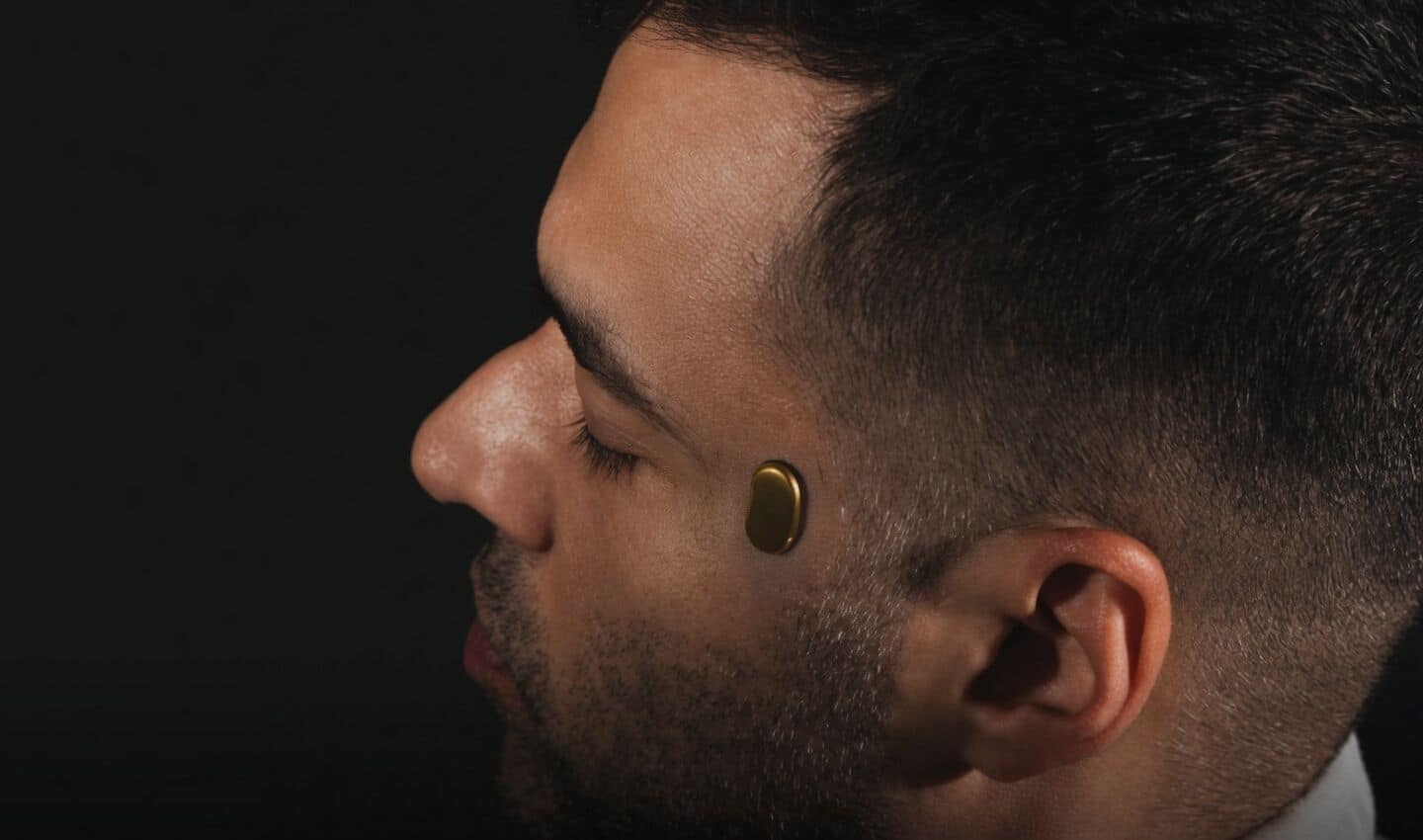
Temple BrainFlow wearable validated against TD-NIRS in 60-person study
Temple BrainFlow just tested out its wearable blood-flow monitoring technology, and it did a solid job tracking changes in brain blood volume.
In a study with 60 people, BrainFlow's results were compared to time-domain NIRS (TD-NIRS), which is one of the few technologies that can separate brain blood volume changes from scalp blood volume changes.
BrainFlow shows 0.91 brain blood correlation
BrainFlow's readings matched up closely with actual brain blood volume (with correlations as high as 0.91) and were much less influenced by scalp changes.
The biggest difference showed up during a head-down tilt test, where BrainFlow nailed the brain signal but did not get thrown off by scalp changes.
The research was guided by Professor David Boas, director of Boston University's Neurophotonics Center and a scientific adviser to Temple, marking Temple's second BrainFlow validation, though it does not directly measure blood flow just yet.