UK plans lab-grown mini organs to transform drug testing
What's the story
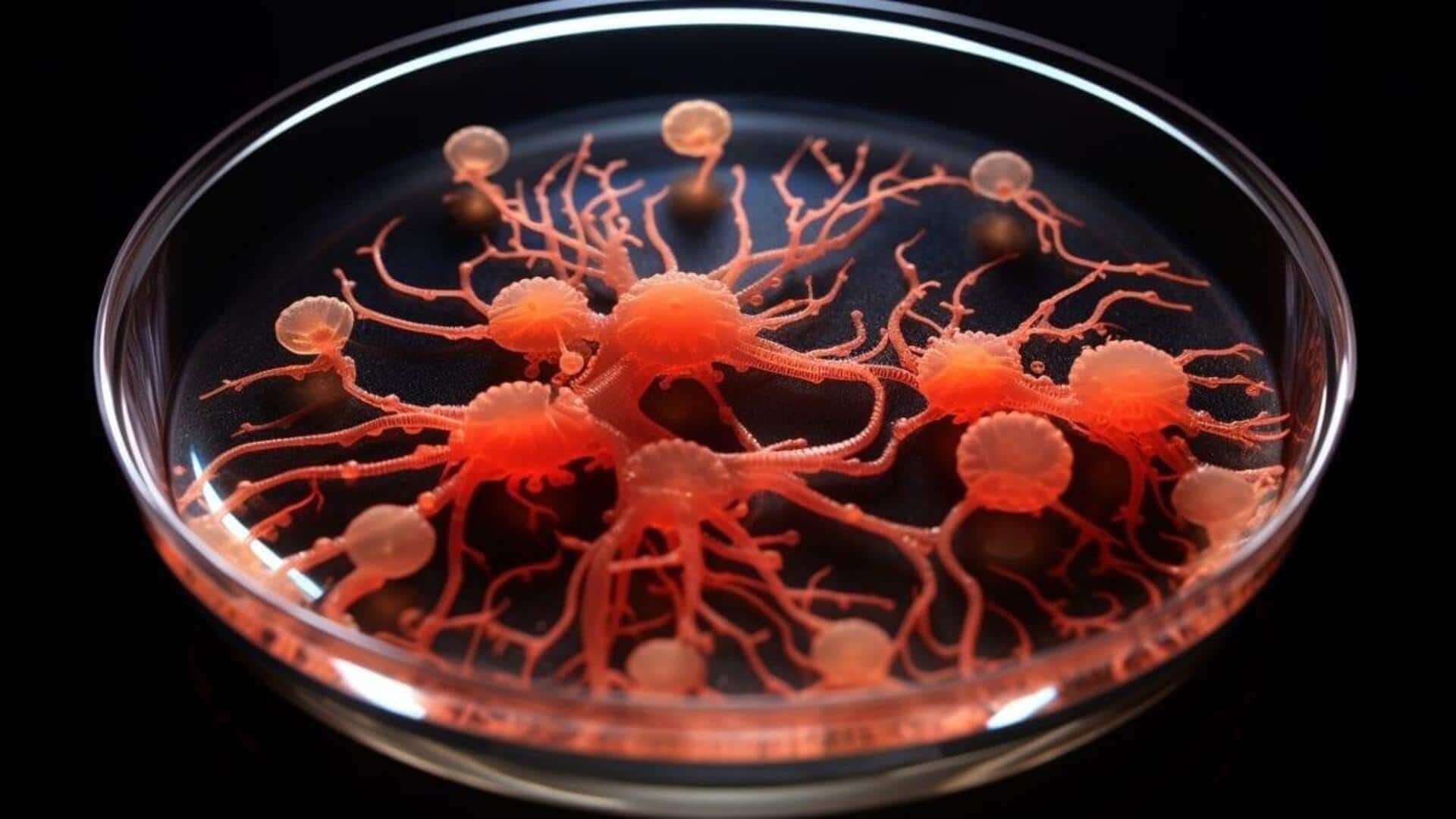
In a groundbreaking development, scientists in the UK are planning to grow miniature human organs and other tissues from NHS patients' cells. The initiative is aimed at improving medicine testing and reducing reliance on animal models in drug development. The move marks a major shift from traditional animal-based models of human disease toward more accurate tests based on human tissues.
Research progress
Organoids can replicate full-scale organs' features
The concept of using tiny clumps of human organs, or organoids, has been around for over a decade.
These organoids, even when smaller than a millimeter, can replicate key features of full-scale organs and tissues. This includes their failure due to disease and response to drugs.
With organoids grown from diseased human tissues, scientists can test new drug candidates for their effectiveness across different patient groups.
Drug testing challenges
Over 90% of drugs fail in human trials
Historically, over 90% of drugs that pass animal testing fail in human trials, raising doubts about the efficacy of such tests.
US and European medicines regulators now recommend alternative methods whenever possible.
"A lot of human diseases either do not occur in animals or occur in a different way because they're not human," said Matthias Zilbauer, clinical professor of pediatric gastroenterology at the Cambridge Stem Cell Institute.
Research collaboration
Library of standardized, validated organoids
The new research will be conducted from a Cambridge-based hub, funded with £20 million from the Medical Research Council.
The team will collaborate with scientists more widely to create a library of standardized, validated organoids. These will be made available to academics and the pharmaceutical industry for drug development purposes.
This initiative is part of a plan announced by former UK PM Keir Starmer's government to fast-track animal reduction in research using "new approach methodologies."
Future prospects
Diverse applications of organoids in medicine
The research team plans to grow a wide range of organoids, from heart tissue to brain cells.
Zilbauer's team is focusing on organoids for inflammatory bowel diseases like ulcerative colitis and Crohn's disease.
Other teams are working on growing tumors for cancer treatments and brain organoids to understand neurological conditions.
This diverse application highlights the potential of this technology in revolutionizing drug testing and personalized medicine.