Variable aperture, pro controls: What's new in iPhone cameras
What's the story
Apple has unveiled some groundbreaking upgrades to the iPhone 18 Pro and Pro Max cameras. The improvements go beyond just increasing megapixels and adding artificial intelligence (AI) features. The new models come with a variable aperture, a new sensor, pro controls, persistent subject tracking, and a signed "Reference" mode. These enhancements have made iPhone cameras closer to dedicated cameras than ever before.
Innovation
Variable aperture for the first time in an iPhone
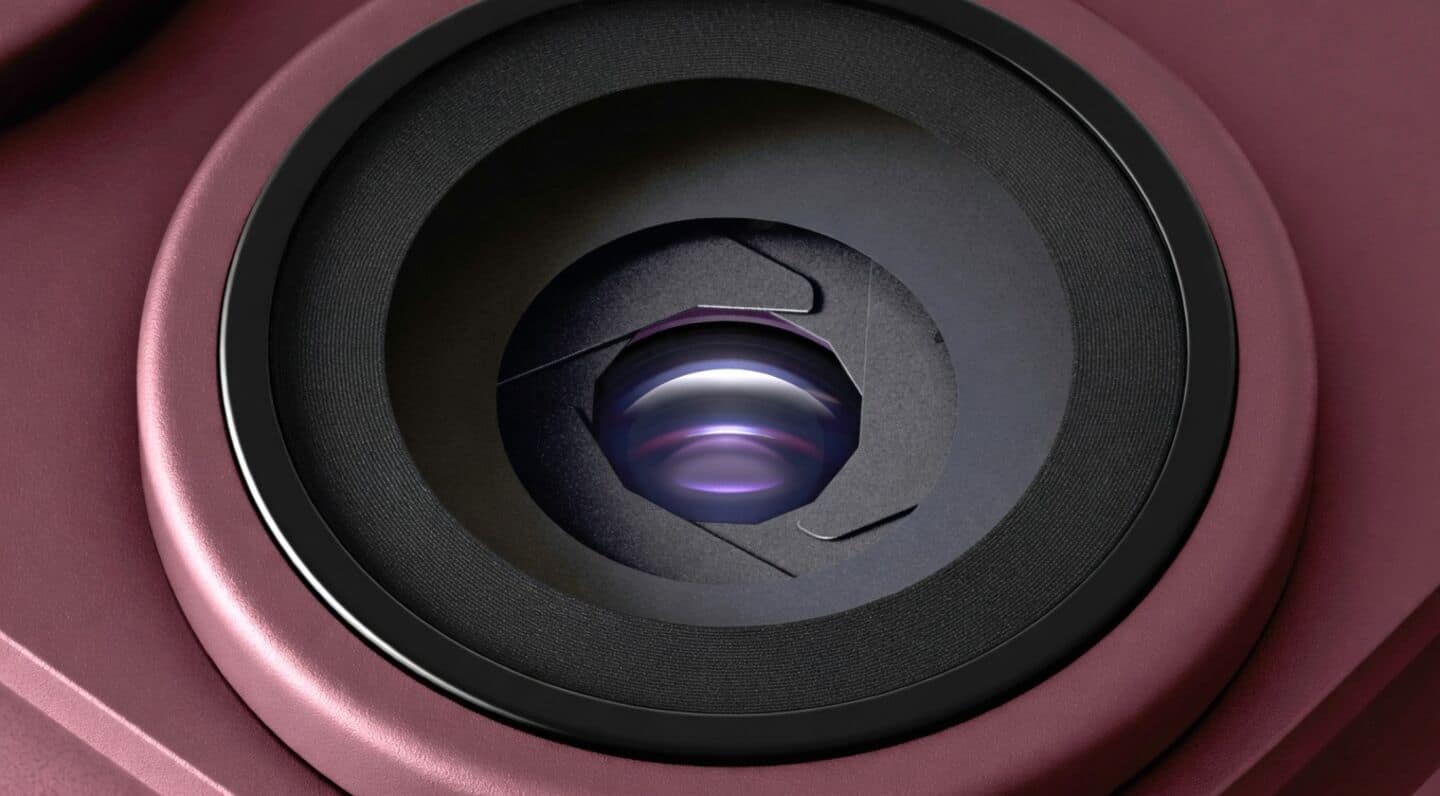
The new variable aperture feature is a major leap in iPhone photography.
Apple has managed to implement this complex feature on a small phone sensor by using "laser-cut" blades that enable smooth transitions between settings.
The variable aperture can open and close in automatic exposure mode, allowing more or less light without changing shutter speed.
This way, it keeps photos sharp even in low light conditions while minimizing graininess.
Enhanced control
Pro mode gets a major upgrade
The updated Apple Camera's Pro mode also gets a major upgrade with the new variable aperture.
Users can manually control the aperture with four settings (f/1.48, f/1.8, f/2.8, and f/4.0).
This allows for more background blur in portraits or less in landscape shots where you want everything in focus.
The combination of these features makes it easier to achieve complex photography effects like blurred foregrounds against sharp backgrounds even in daylight conditions.
Advanced features
Persistent subject tracking and updated photographic styles setting
Another major feature is the persistent subject tracking for both video and photos.
The camera locks onto a person and continues to track them even if they momentarily disappear behind someone else in a crowd.
Apple has also updated the Photographic Styles setting with new texture and grain controls, making it more comparable to compact cameras like Fujifilm X100 VI.
New feature
Reference Image feature to check for unauthorized edits or alterations
The new Apple Reference Image feature captures signed sensor data in the new Reference mode. This data is then developed into an "unalterable reference image" by Private Cloud Compute.
These images can be viewed alongside the main image in the Photos app, like a digital negative, allowing photographers to check for any unauthorized edits or alterations made to their copyrighted photos.