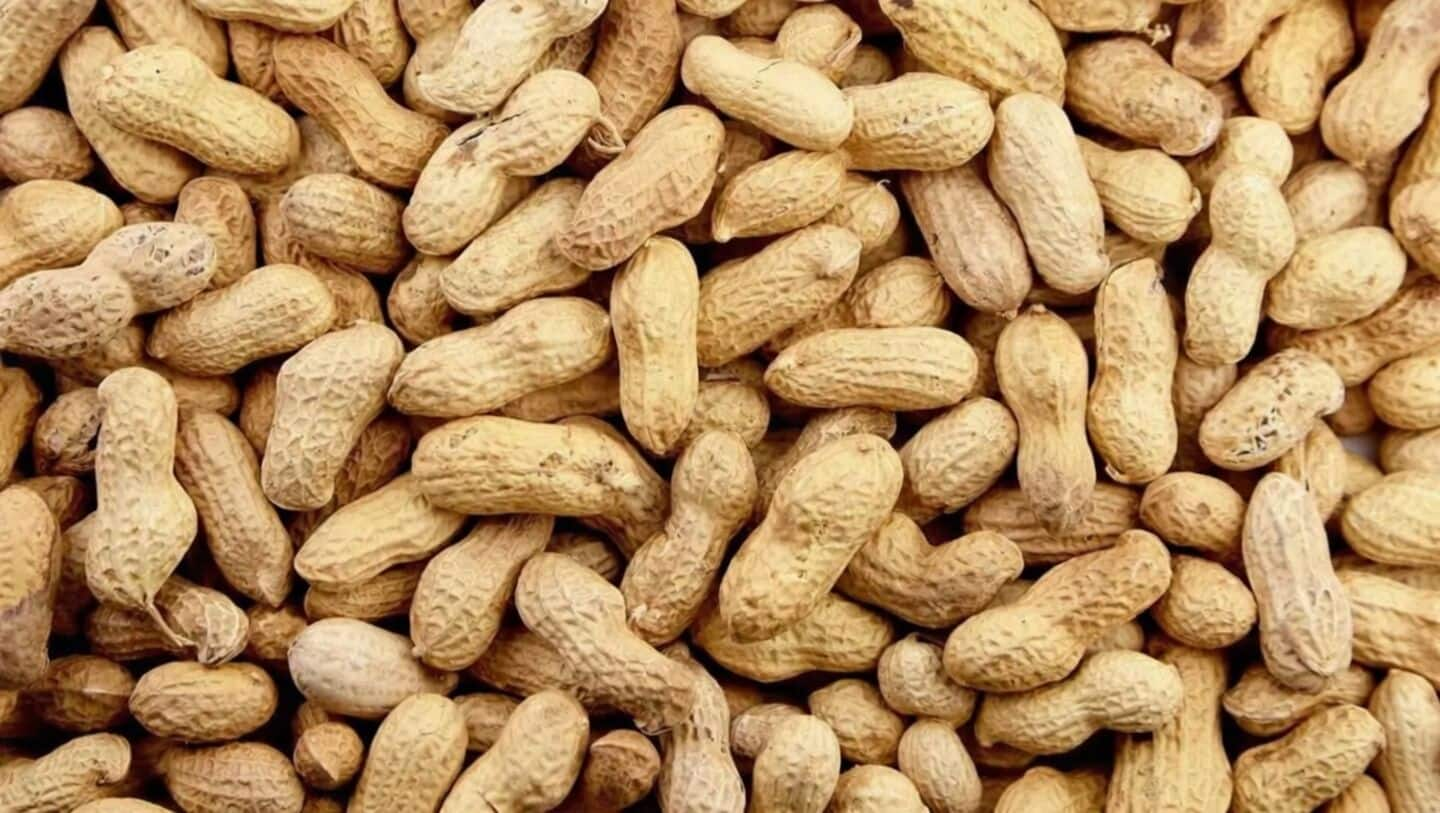
Waste peanut shells can now be turned into graphene
Engineers at UNSW Sydney have figured out how to turn waste peanut shells into high-quality graphene, a super useful material for batteries, electronics, and solar panels.
Their new process is chemical-free and low-energy and could help cut both waste and device costs.
The process in brief
The team grinds up peanut shells (which are usually thrown away), heats them briefly to produce a carbon-rich char, then zaps them with quick bursts of intense heat to create graphene, all in around 10 minutes and without using fossil-fuel-derived carbon black.
Plans to test with other organic scraps
With around 15 million tons of peanut-shell waste produced worldwide each year, this method could make graphene much cheaper, just $1.30 per kilogram in energy costs, and put all that trash to good use.
Plus, the team plans to test the process with other organic scraps like coffee grounds or banana peels.
Could be ready for commercial use soon
The tech boosts conductivity for things like batteries, though no timeline for commercial readiness is provided.