Weight loss drugs may help reduce addiction to illicit substances
What's the story
Weight loss drugs, particularly glucagon-like peptide-1 receptor agonists (GLP-1s), may help prevent addiction to alcohol, tobacco, and other illicit drugs like cannabis and cocaine. The finding comes from a study published in the British Medical Journal. The research also suggests that these medications could lower the risk of overdose for those already addicted to illicit substances.
Information
How do GLP-1s work?
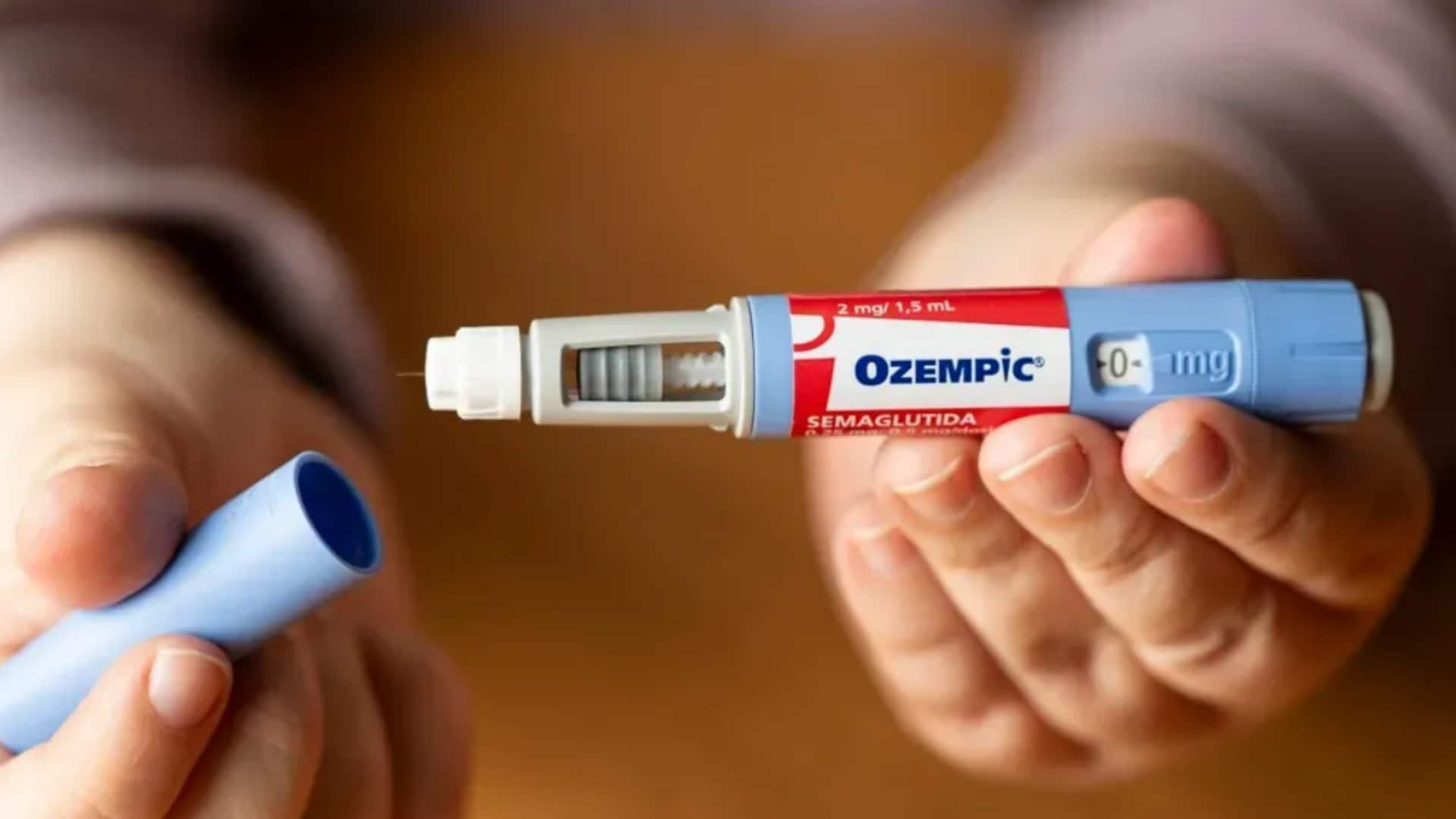
GLP-1s, including Mounjaro and Ozempic, are commonly used to treat type 2 diabetes and obesity. They work by mimicking a natural substance released after eating, making people feel fuller. The drugs are believed to affect the brain's reward pathways to reduce cravings for addictive substances.
Research analysis
Substantial reductions in addiction risk
The US study analyzed data from 606,434 veterans with type 2 diabetes for up to three years.
It found that GLP-1s reduced the risk of alcohol-related disorders by 18% in those with no history of substance use.
The drugs also lowered the risk of using cannabis (14%), cocaine (20%), nicotine (20%), and opioids (25%) compared to other sodium-glucose cotransporter-2 drugs used to treat diabetes.
Risk reduction
Reduced overdose and emergency assistance needs
The study also found that GLP-1s reduced the risk of overdose (39%), emergency assistance in A&E (31%), or death (50%) for those already using substances.
Professor Claire Anderson, President of the Royal Pharmaceutical Society, emphasized that while this study adds to emerging research on GLP-1 medicines' potential influence on brain pathways involved in reward and addiction, further clinical trials are needed to understand their direct effect.
Therapeutic potential
Potential benefits of GLP-1s
Gareth Jones, Director of Corporate Affairs at the National Pharmacy Association, said the study shows weight loss treatment could provide important additional therapeutic benefits.
He stressed that while understanding is growing around the long-term impact of GLP-1s, their rollout to obese people by NHS remains "painfully slow."
This comes despite the major issues obesity is causing in society today.