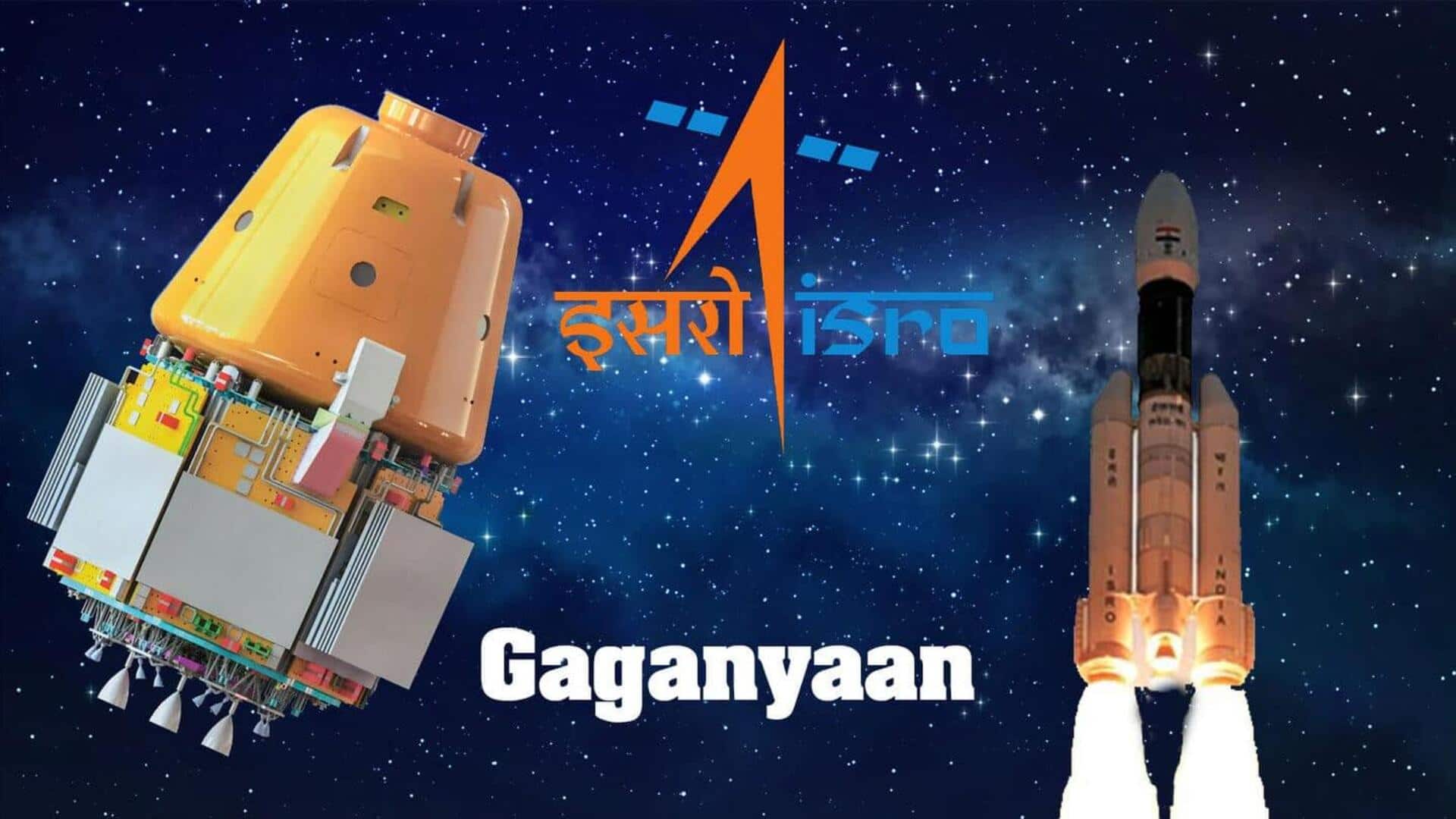
Why ISRO's Gaganyaan mission faces fresh delays
What's the story
India's ambitious Gaganyaan mission, the first-ever human spaceflight program, could see a slight delay. The first uncrewed test flight was initially scheduled for February 2026. However, recent developments suggest that the timeline may be pushed back slightly. The mission is critical for testing systems before India sends three astronauts into orbit by 2027.
Application withdrawal
ISRO's Hawaii ground station application withdrawal
ISRO had applied for a ground station in Hawaii to support early orbit operations for Gaganyaan.
The application was filed on January 9, 2026, with the FCC but was withdrawn just three days later, on January 12.
This sudden withdrawal has led to speculation about a possible delay in the mission's timeline.
The withdrawal of the Hawaii ground station application coincided with ISRO's PSLV-C62 launch failure, which resulted in the loss of 16 satellites.
Mission details
Gaganyaan mission's uncrewed flight to test all systems
The first uncrewed flight, dubbed G1, will test all systems and include a humanoid robot named Vyomitra as a test passenger.
The uncrewed flight will use ISRO's human-rated Launch Vehicle Mk3, which is different from the recently failed PSLV.
The G1 mission will evaluate rocket performance, orbital maneuvers, re-entry procedures and recovery operations for the crew module.
Mission significance
Gaganyaan mission's success is crucial for India's space ambitions
Gaganyaan marks a major milestone in India's space ambitions, showcasing ISRO's capability to safely transport humans into orbit.
The mission will boost scientific research, technology development and international collaboration.
Vyomitra's sensors will assess environmental conditions for future astronauts.
Successful execution of this mission would place India among a select group of nations with human spaceflight capabilities.