How conditions would impact the ODI World Cup in Africa?
What's the story
The ICC Cricket World Cup returns to the African continent for the first time in over two decades, setting the stage for a thrilling tournament across diverse landscapes. Playing in Africa presents teams with a wide spectrum of environmental conditions. Nations will want to constantly adapt their tactical strategies, squad balance, and match preparations to conquer these varied conditions. We decode the impact.
Venues
A look at the venues in South Africa and Zimbabwe
South Africa will host matches at eight venues: Wanderers Stadium (Johannesburg), Centurion (Tshwane), Newlands Cricket Ground (Cape Town), Kingsmead Cricket Ground (Durban), St George's Park (Gqeberha), Mangaung Oval (Bloemfontein), Boland Park (Paarl), and Buffalo Park (KuGompo City).
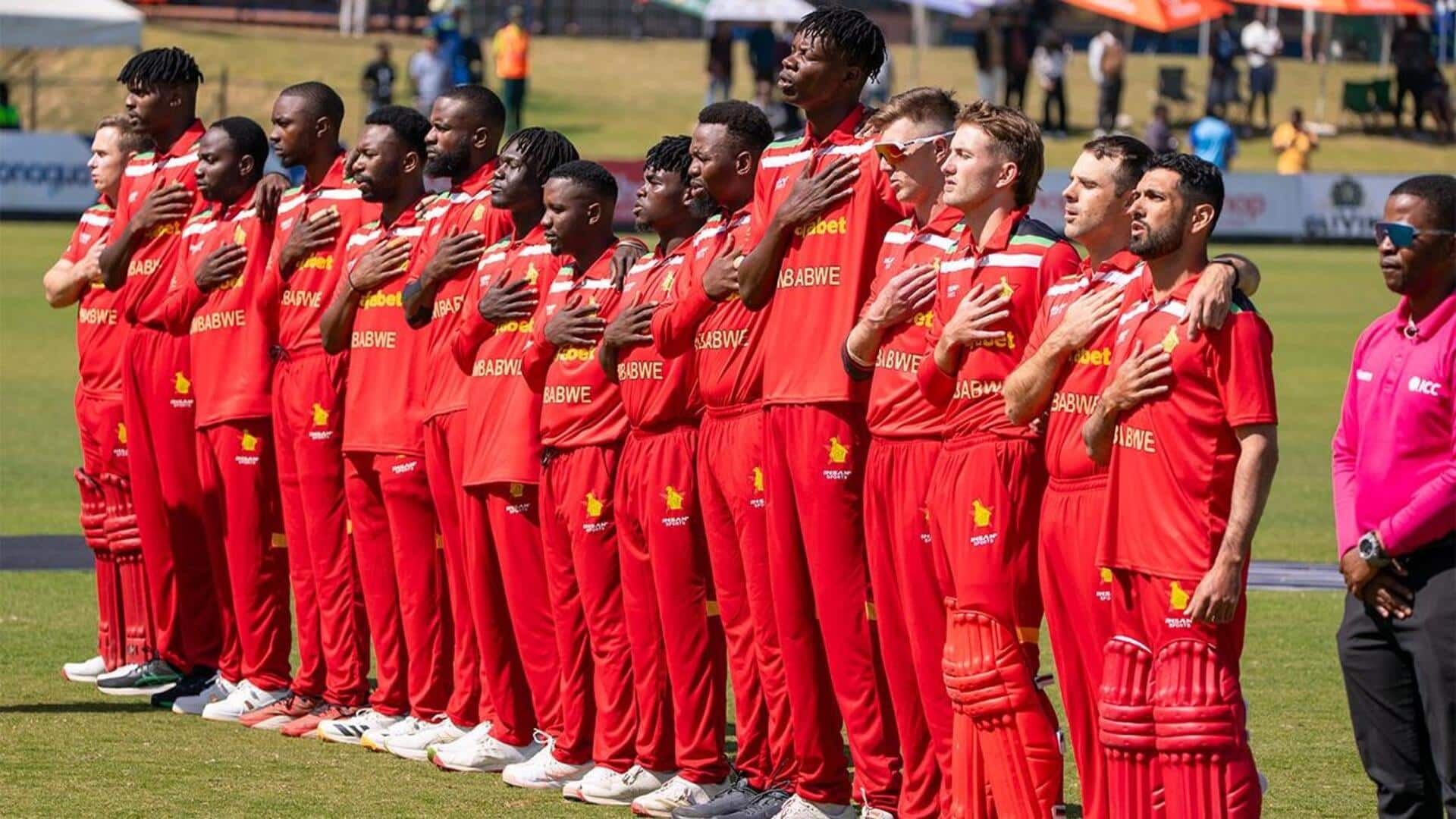
Meanwhile, Zimbabwe will stage games across three venues: Harare Sports Club, Queens Sports Club, and Fale Mosi-oa-Tunya International Cricket Stadium in Victoria Falls.
Information
Namibia to host senior ICC event for 1st time
Namibia will host their first-ever senior ICC tournament at the Namibia Cricket Ground in Windhoek. In October 2025, the ground was inaugurated as Cricket Namibia's first official stadium by hosting a one-off Twenty20 International match between South Africa and Namibia.
Do you know?
Highveld altitude & pace
At high-altitude venues like Johannesburg, Centurion, and Windhoek, thin air reduces atmospheric drag, causing the ball to fly off the bat faster and travel farther. Fast bowlers are expected to extract steep bounce off hard surfaces, while power-hitters can exploit true bounce and fast outfields.
Swing
Coastal swing & seam means balanced sides on offer
In coastal hubs like Cape Town, Durban, and Gqeberha, one can expect heavy sea breezes and overhead moisture provide early lateral movement for seam and swing bowlers.
Top-order batters will need to show early discipline, though these surfaces often dry out under the sun, allowing spin to surface as the match progresses.
So a balanced side is what teams will aim for.
Do you know?
Zimbabawe's slow inland tracks
Pitches in Harare and Bulawayo traditionally offer drier, slower conditions. Lacking high-altitude carry or coastal humidity, the ball grips into the surface, bringing wrist-spinners and seamers with sharp cutters into primary roles. Constructing an innings through calculated strike rotation rather than boundary-clearing power becomes vital.
Information
Adaptability & tournament strategy will help sides: Key takeaways
Ultimately, adaptability will dictate success of teams and if they can rotate pace-heavy combinations for bouncy Highveld decks and deploying disciplined spin options on drier inland surfaces will hold a distinct edge across the 50-over showcase.