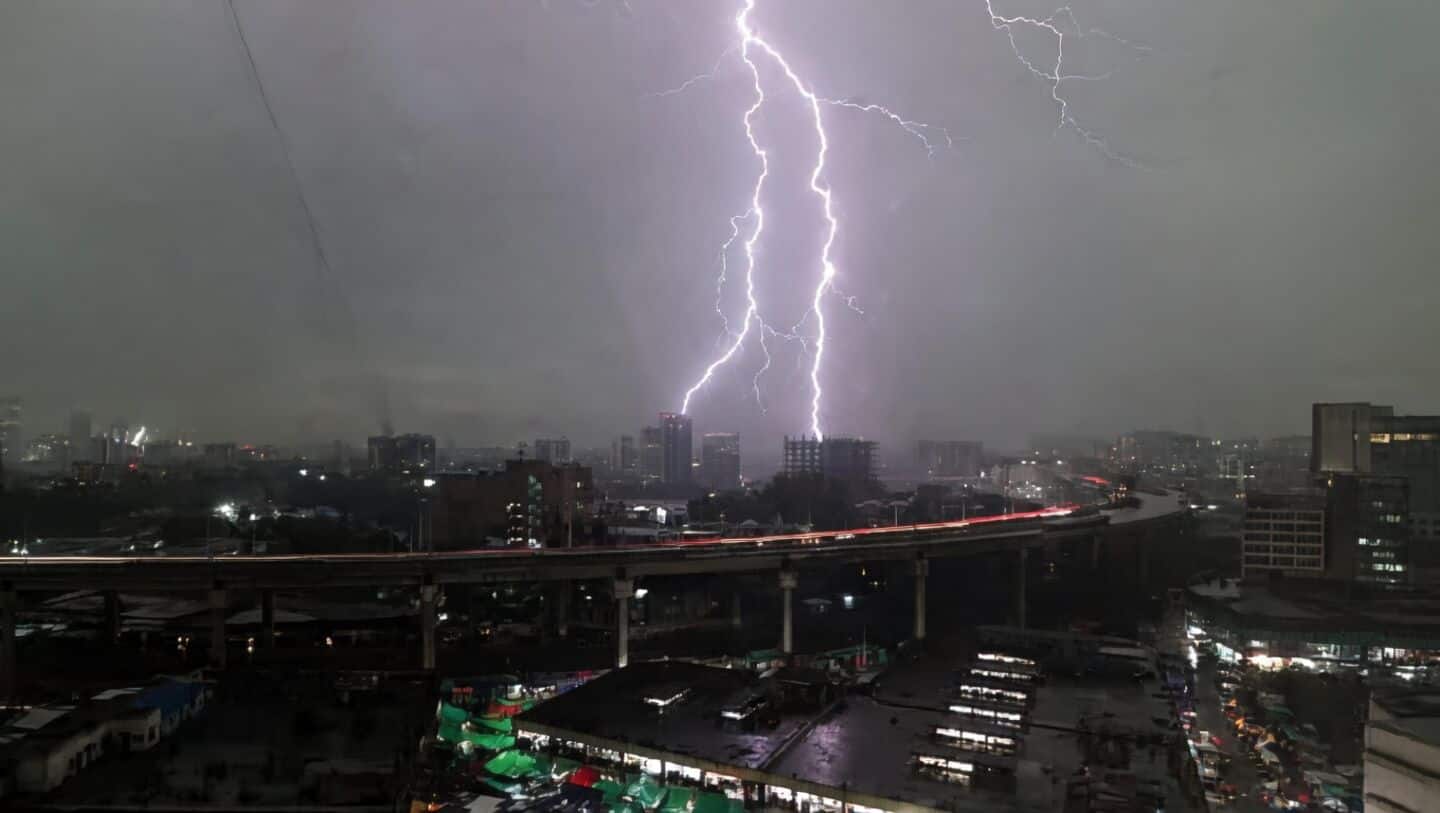
Kalbaishakhi wreaks havoc in Bangladesh, death toll rises to 14
What's the story
Severe pre-monsoon thunderstorms have wreaked havoc across Bangladesh, leaving at least 14 dead and dozens injured. The storms, locally known as Kalbaishakhi or Nor'westers, hit several districts late Sunday and early Monday. Most of the victims were outdoors when the storms struck, either working in fields or traveling through rural areas.
Fatal incidents
Lightning strikes claimed lives in Jamalpur, Sirajganj
In Gaibandha, five people were killed, including farmers and children moving cattle feed. Jamalpur reported three deaths after a tree fell on a house in Melandaha upazila, killing a mother and her two daughters. Thakurgaon witnessed two laborers die while returning from fieldwork, while Sirajganj recorded two deaths due to lightning strikes during agricultural activities.
Rural exposure
Lightning remains the biggest killer
The Kalbaishakhi storms are a seasonal phenomenon in Bangladesh, but lightning remains the biggest killer during these events. Officials say that open-field work and sudden weather changes make rural populations particularly vulnerable. Despite improved early warning systems by the Bangladesh Meteorological Department (BMD), many people continue to stay outdoors during warnings due to inadequate ground response measures.
Environmental impact
Deforestation exacerbating lightning strike impacts
Long-term environmental changes have also been making lightning strikes more deadly. For instance, deforestation has removed tall trees that could act as natural lightning conductors, leaving people more exposed in open fields. Rising temperatures and humidity during pre-monsoon months are also creating unstable atmospheric conditions, leading to more frequent and intense thunderstorms.
Urban impact
Dhaka experienced temporary flooding, power disruptions
In Dhaka, the capital city, the storms caused temporary flooding and power disruptions. However, no deaths were reported from the area. Two university students were hospitalized briefly after a nearby lightning strike but have since stabilized. The BMD has predicted more scattered rainfall and thunderstorms in the coming days, which may provide relief from the ongoing heatwave.
Safety measures
Disaster authorities issue safety guidelines for public
In light of the ongoing weather conditions, disaster authorities have issued safety guidelines to the public. They have advised people to follow the "30-30 rule," which states "seek shelter if lightning is seen and thunder is heard within 30 seconds, and remain indoors for at least 30 minutes after the last thunderclap." This comes as a precautionary measure against possible further fatalities due to lightning strikes.