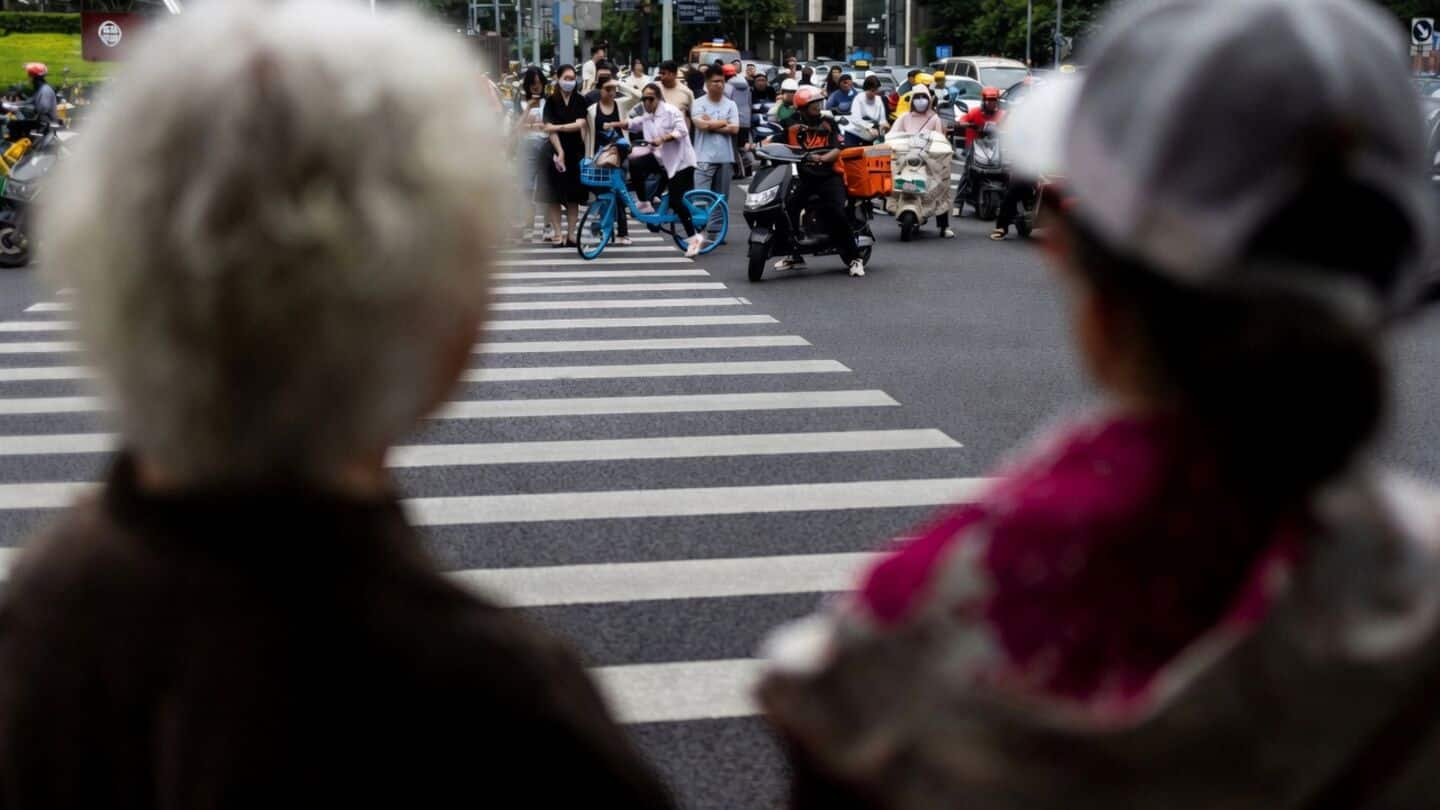
One-third of Beijing's population will be over 60 by 2035
What's the story
Beijing is set to become a "super-aged" city by 2035, with nearly one-third of its population expected to be aged 60 or above. The official Beijing Daily reported this development on Saturday. At the end of 2023, there were 5.29 million permanent residents aged 60 and above in the Chinese capital, making up nearly a quarter of its total population, as per Reuters.
Economic impact
Economic impact of aging population
China's population has been declining since 2022, with the aging population putting a strain on the economy.
The demographic shift is complicating efforts to boost domestic consumption and manage debt.
Hundreds of millions are expected to exit the workforce, putting pressure on pension budgets.
Demographers and economists warn that lower birth rates now could lead to fewer households in the future, slowing consumption growth over time.
Market shift
Changing consumption patterns
The demographic transition in Beijing is expected to change consumption patterns.
Demand for healthcare, rehabilitation, assisted living, and other senior-focused services will likely increase as the number of older residents grows.
Businesses may also see opportunities in home-care services and products designed for independent living among seniors.
A smaller working-age population could affect demand in sectors like housing and retail.
Policy response
Government response to demographic shift
Chinese authorities are taking steps to tackle the country's demographic challenges. These include efforts to encourage childbirth and reforms to the retirement system.
Possible measures include childcare support, parental leave and financial incentives for raising children. However, reversing falling birth rates remains a challenge.
Beijing is also expanding community-based elderly care and home-care services while seeking to improve healthcare access for older residents.