Canada admits to Khalistani role in Kanishka bombing after 40yrs
What's the story
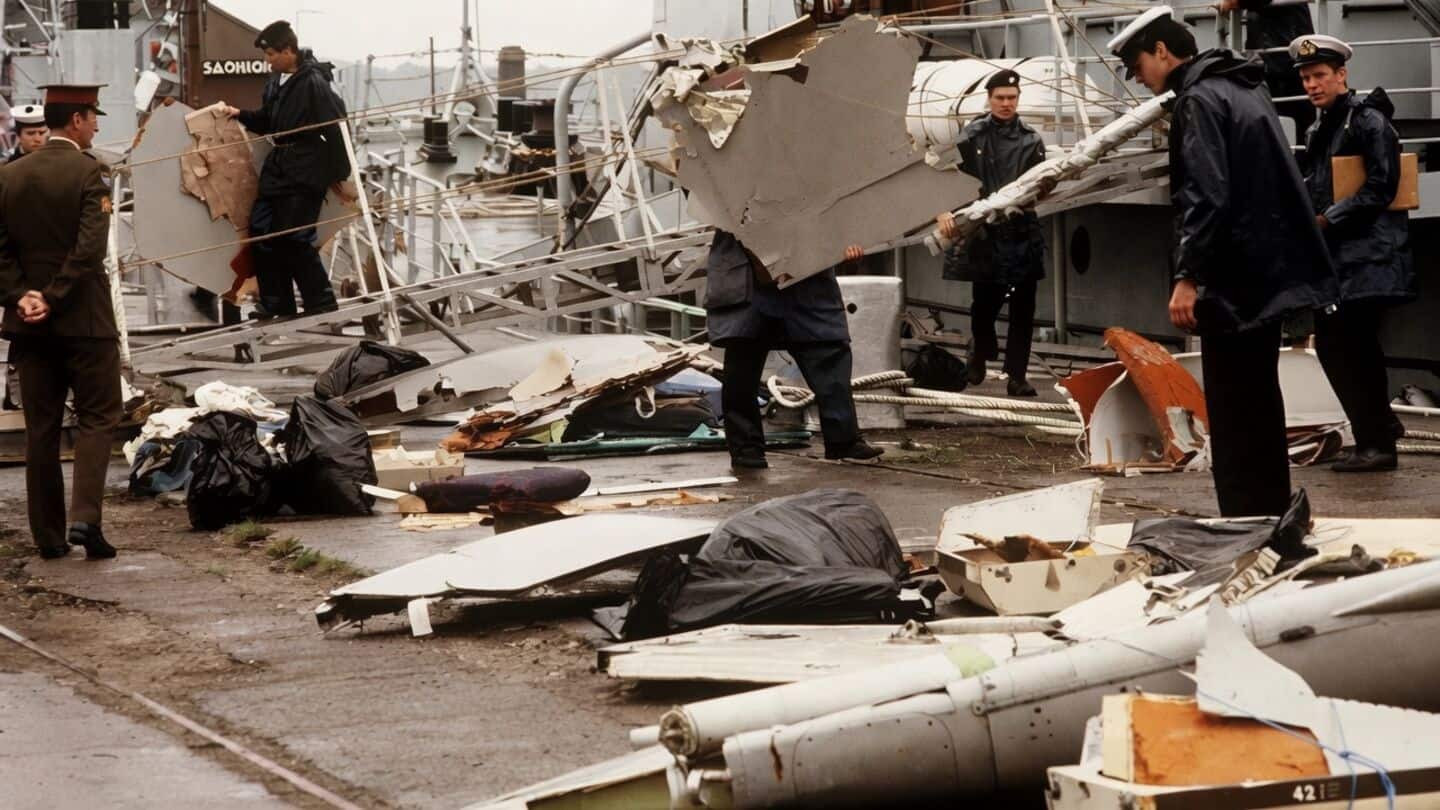
The Canadian Security Intelligence Service (CSIS) has, for the first time in over four decades, admitted that Khalistani terrorists were behind the 1985 bombing of Air India Flight 182. The attack killed all 329 people on board and is still considered Canada's deadliest terrorist incident. Remembering the victims, the CSIS called the bombing "a heinous act of terror" and said it was carried out by "Canada-based Khalistani extremists."
Incident details
Flight Kanishka and the bombing
Air India Flight 182, also known as the Kanishka, was en route from Montreal to New Delhi via London on June 23, 1985.
A bomb hidden in checked baggage exploded mid-air over the Atlantic Ocean off Ireland's coast.
The explosion occurred about 45 minutes before landing at London's Heathrow Airport.
Most victims were Canadian citizens of Indian origin and only 131 bodies were recovered from the ocean.
Retaliation motive
Who was behind the attack?
The bombing was blamed on Sikh extremists as an act of retaliation against "Operation Blue Star," the 1984 Indian military operation to remove armed Sikh separatists from Amritsar's Golden Temple.
Investigators found that the suitcase with the bomb was checked in by a passenger who didn't board the flight.
They found that a member of Babbar Khalsa, a banned Khalistani terrorist group, allegedly planted the bomb.
Diplomatic progress
Landmark moment for Canada
In 2005, Canada declared June 23 as National Day of Remembrance for Victims of Terrorism.
A public inquiry led by former Supreme Court Justice John Major found major lapses by Canadian authorities before and after the bombing.
The inquiry concluded there had been a "cascading series of errors" by security agencies and that the tragedy was initially viewed as an "Indian issue," reducing the urgency of the investigation.
In 2010, then-PM Stephen Harper apologized to victims' families for these failures.
Official tribute
Tribute to victims, India-Canada relations
Along with CSIS, Canadian Prime Minister Mark Carney paid tribute to the victims this week, calling the Kanishka bombing the country's worst terrorist attack. He reiterated Canada's stance against terrorism in all its forms.
The development comes as India and Canada work to rebuild diplomatic ties after relations deteriorated sharply in 2023 following allegations made by former Prime Minister Justin Trudeau that Indian officials were involved in the killing of Khalistani terrorist Hardeep Singh Nijjar on Canadian soil.