Charlie Kirk's assassination: Defendant's team claims bullet analysis doesn't match
What's the story
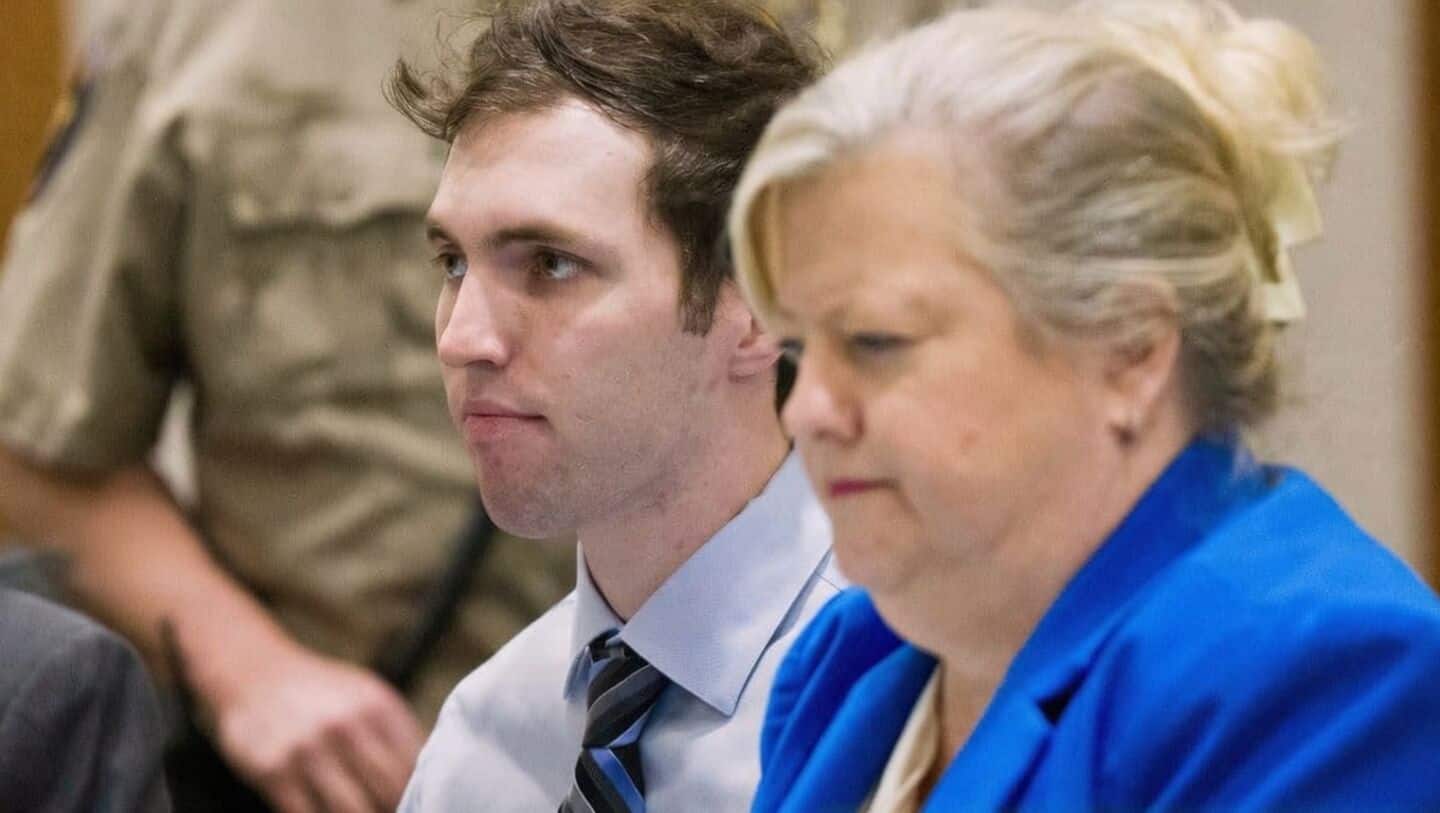
The defense team of Tyler Robinson, the 22-year-old accused of murdering conservative activist Charlie Kirk, has said that a bullet analysis was unable to definitively link the bullet recovered at autopsy to the rifle linked to him. The Bureau of Alcohol, Tobacco, Firearms and Explosives conducted the analysis. The rifle was found near Utah Valley University in Orem, Utah, United States of America, where Kirk was shot during a speech last September.
Evidence review
Defense team's demands
Forensic ballistics relies on bullet size and condition to match firearms.
Robinson's defense team plans to use the analyst's testimony as exculpatory evidence.
They have requested a preliminary hearing deferral to review over 20,000 files from prosecutors and bullet analysis results.
The defense lawyers also want televised trials to counter misinformation surrounding the case.
Legal proceedings
Details of the case
Robinson was arrested after a 33-hour manhunt for allegedly killing Kirk during his 'American Comeback Tour' speech at Utah Valley University on September 10.
Reports say Robinson apparently confessed or implied involvement to his father and his romantic partner, Lance Twiggs.
He allegedly told them he had "had enough of his [Kirk's] hatred."
Robinson faces seven charges, including aggravated murder, with prosecutors seeking the death penalty.
Public reaction
Case has divided opinions in US
The case has further polarized an already divided United States. Far-right influencers like Candace Owens and Tucker Carlson have fueled conspiracy theories about a larger plot behind Kirk's murder.
Utah Governor Spencer Cox said bullet casings found at the scene had anti-fascist engravings and taunting messages.
The ongoing investigation continues to unravel details surrounding this high-profile case.