EU's Taliban talks spark outrage; MEPs say bloc normalizing regime
What's the story
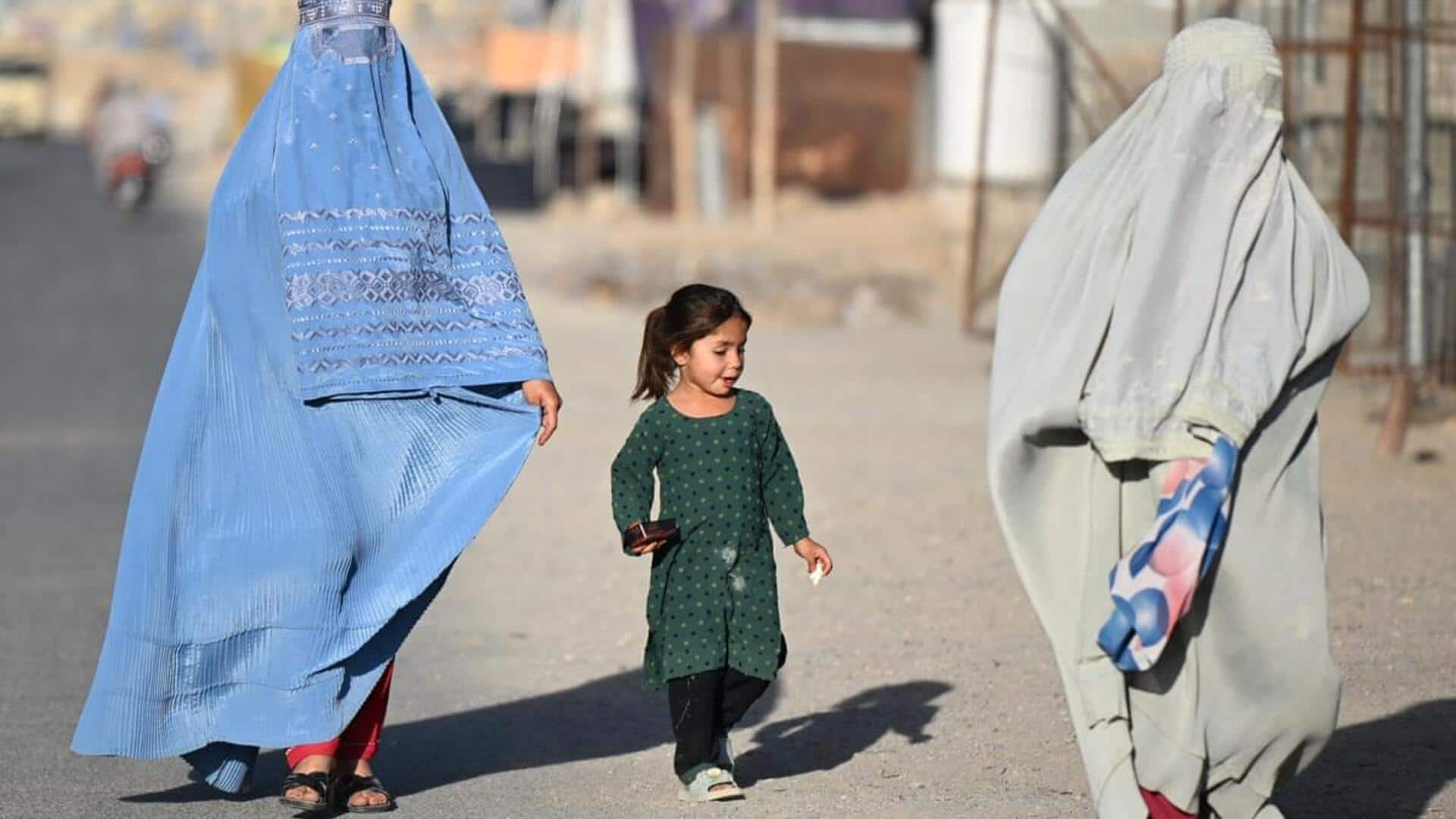
The European Union (EU) is facing intense criticism over its decision to host a Taliban delegation in Brussels. The meeting, scheduled for Tuesday, has drawn ire from rights campaigners and Members of the European Parliament (MEPs), The Guardian reported. They argue that this could normalize a regime known for banning girls from school beyond sixth grade and erasing women from public life.
Policy contradiction
EU's double standard condemned
The EU's decision to engage with the Taliban stands in stark contrast to the European Parliament's stance. The parliament has passed several resolutions condemning the regime.
Socialist MEP Juan Fernando Lopez Aguilar expressed his dismay at this double standard, calling it "absolutely an outrage and a total loss of faith and the credibility of the European Union."
Justification
Deportation focus rejected by Lopez
The European Commission has justified the meeting as part of talks to deport Afghan migrants.
A spokesperson said the talks would focus on returning those who "pose a security threat" to the EU.
This justification has been rejected by Lopez Aguilar, who accused the EU of letting far-right rhetoric around immigration set its agenda.
Humanitarian impact
Deportation plans amid Afghanistan's humanitarian crisis
Since the Taliban took control in 2021, hundreds of thousands of Afghans have sought asylum in Europe.
The deportation plans have raised humanitarian concerns, with the International Rescue Committee warning that Afghanistan is facing a hunger crisis.
Lisa Owen, the organization's Afghanistan country director, said deporting Afghans to such conditions "is not a migration policy; it is a decision that could cost lives."
Rights advocacy
Human rights groups warn of violence, persecution
Eighty-three Afghan and international human rights groups have raised alarm over the EU's plans. They warned that forced return would expose many Afghans to persecution and violence.
Shagofah Ghafori from the Centre for European Policy Studies argued that what Brussels is offering is "normalization," which happens incrementally through granting visas and meeting rooms, "and the quiet replacement of principle with transaction."
Legal implications
UN report highlights risks of deportations
A UN report last year found that returned Afghans, mostly from Pakistan and Iran, faced arbitrary arrest and torture.
This suggests deportations could violate international law against sending people back to risk persecution or torture.
Ghafori highlighted a charter flight from Germany in August 2024, where returnees were detained and interrogated.
"Once a plane lands, there's no credible oversight, and reports indicate that returnees were detained and interrogated, with at least one later killed," she said.
Cooperation criticism
Concerns over criminal deportations
The European Commission has argued that cooperation with the Taliban is necessary to deport convicted criminals back to Afghanistan.
However, Reshad Jalali from the European Council on Refugees and Exiles warned this could lead to wider deportations of Afghans without criminal convictions.
An investigative report by German broadcaster ZDF earlier this year alleged that deportations had targeted single Afghan men who hadn't broken any laws.