Germany bans workers from taking sick leave
What's the story
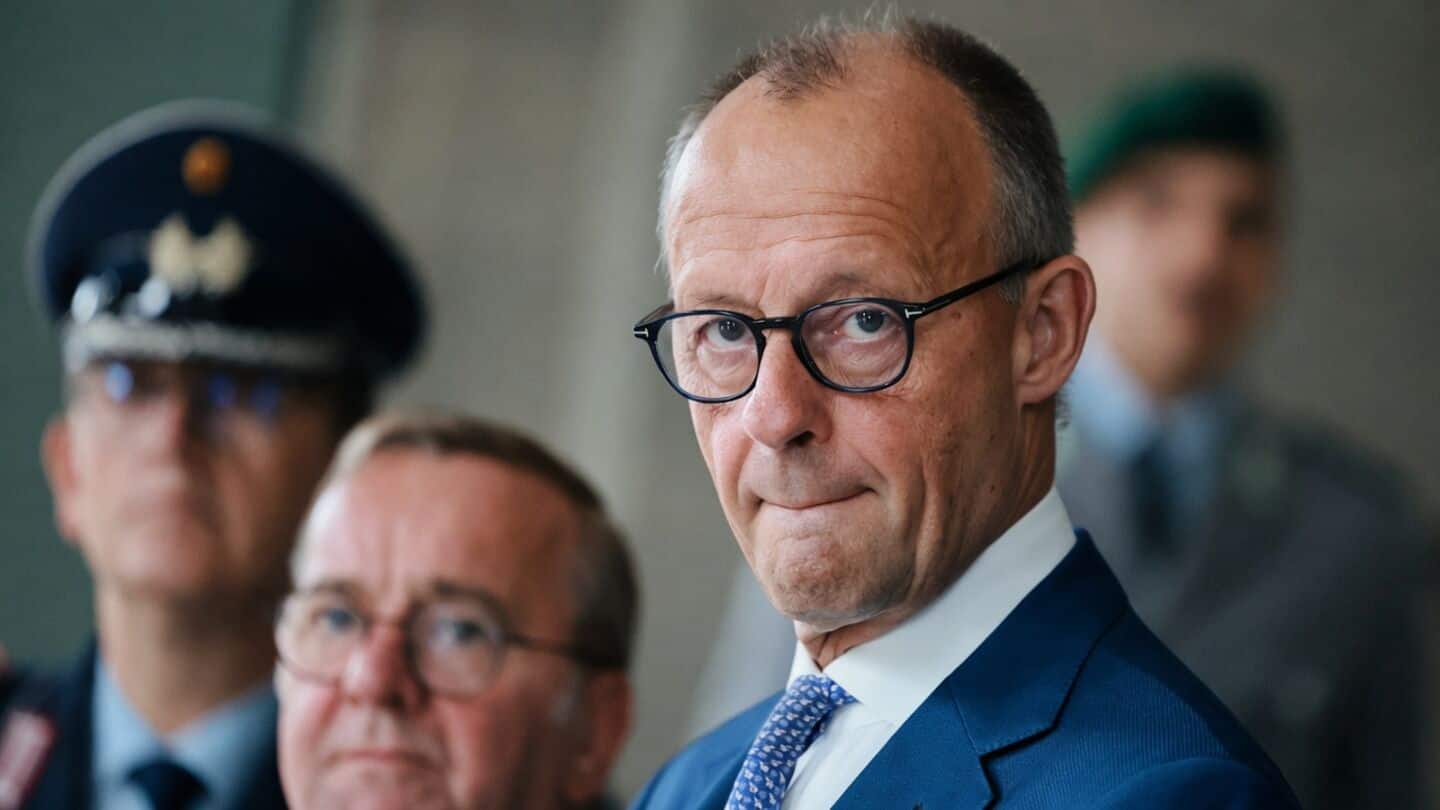
Germany workers planning to take sick leaves will need to get a doctor's certificate in person on the first day they are unwell under new rules. The move is part of a larger economic reform package aimed at boosting productivity and reviving Europe's largest economy. Chancellor Friedrich Merz announced a 34-point reform package, which also includes tax cuts for lower-income families and pension changes to "get Germany back on track."
Reform goals
Ending practice of short sick leaves
Previously, workers could call in sick for up to three days without visiting a doctor, or they could call a doctor and ask for certification of one week.
Now employers can ask for a doctor's certificate from the first day a person is on sick leave.
The German chancellor told reporters that the country's sick days were "too high."
"We are creating a set of tools that will enable those involved, both employees and companies, to correct this," Merz said.
Economic impact
High employee absenteeism affecting economy
Germany has some of Europe's highest rates of employee absenteeism, a trend that is affecting businesses and the broader economy.
The government argues high levels of absenteeism weigh on productivity as it grapples with weak economic growth and high production costs.
The reforms are intended to alleviate the burden on companies by reducing red tape, giving employers more freedom in hiring workers on short-term contracts, and making it more difficult for employees to seek sick leave.
Additional reforms
Flexibility in hiring and income tax cuts
The reform package would allow companies more flexibility to offer fixed-term contracts of up to four years for new hires until 2030.
It also includes €10 billion in income tax cuts. The relief will be mainly funded by hiking the top rate of tax to 47% from 45% for those earning €280,000.
The coalition aims to pass key elements of this reform package through parliament by year's end.