India, Canada forge security work plan to combat transnational crime
What's the story
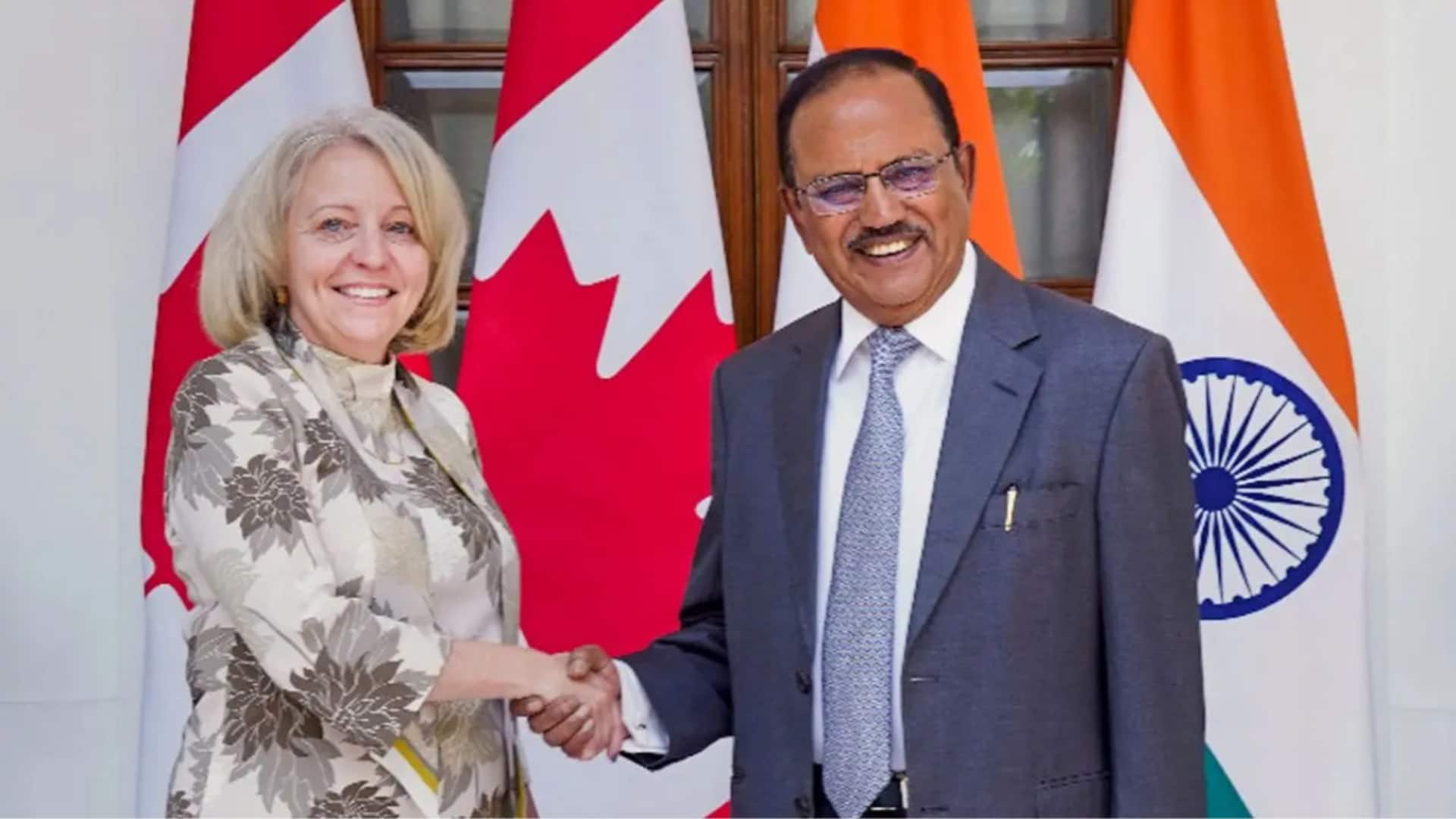
India and Canada have agreed to a shared work plan for cooperation on national security and law enforcement issues. The decision was made during a meeting between National Security Adviser Ajit Doval and his Canadian counterpart Nathalie Drouin in Ottawa. This move is part of efforts to normalize relations after a diplomatic row over the killing of Khalistani separatist Hardeep Singh Nijjar in 2023.
Cooperation details
Work plan formalizes cooperation on cybersecurity policy
The work plan includes appointing security and law-enforcement liaison officers to streamline communication and share information on issues such as drug trafficking and transnational organized crime.
It also formalizes cooperation on cybersecurity policy and information-sharing.
The agreement comes as preparations are underway for Canadian Prime Minister Mark Carney's possible visit to India early next month.
Tension history
Diplomatic row over Nijjar's killing
The India-Canada relations had soured after former Prime Minister Justin Trudeau's allegations of Indian involvement in Nijjar's killing, which India dismissed as "absurd."
In October 2024, a diplomatic tit-for-tat followed, with both sides expelling an equal number of diplomats.
However, Carney's election as PM has helped start the process of resetting relations between the two countries.
Diplomatic efforts
Doval meets Canadian minister for public safety
Doval also met Canada's Minister for Public Safety, Gary Anandasangaree, during his visit.
The Ministry of External Affairs (MEA) said both sides acknowledged progress on initiatives aimed at supporting safety and security.
They committed to formalizing cooperation on cybersecurity policy, fraud, and immigration enforcement consistent with domestic laws and international obligations.