India steadfast against CoA in Pakistan's Indus water case
What's the story
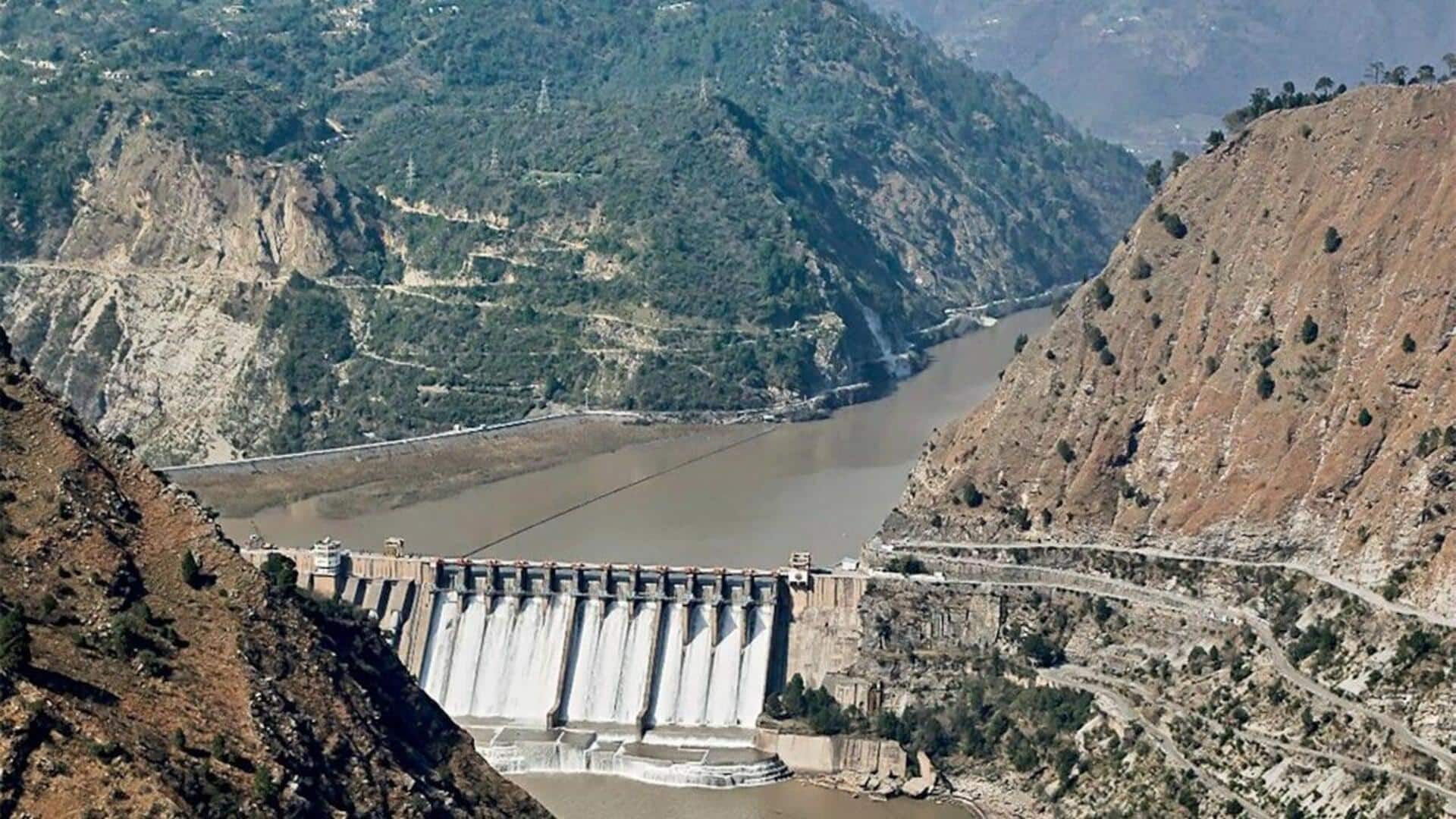
India has refused to recognize the legitimacy of a Court of Arbitration (CoA) in The Hague under the Indus Waters Treaty (IWT). The CoA had ordered Indian hydroelectric plants to produce operational "pondage logbooks" for hearings scheduled on February 2-3. However, New Delhi is not participating as it does not recognize this process. Government sources told NDTV that they consider these proceedings moot and "illegally constituted."
Treaty suspension
Background of the dispute
The standoff began when India put the IWT "in abeyance" on April 23, 2025.
This decision was taken after a terrorist attack in Pahalgam that killed 26 civilians.
The move linked water cooperation with Pakistan's use of terrorism as state policy.
Since then, Pakistan has taken several diplomatic and legal steps against India, highlighting its dependence on the Indus River system for agriculture and water storage.
Ongoing proceedings
Court's stance on India's absence
Despite India's refusal to participate, the Hague-based court is proceeding with its hearings.
The court has said that if India does not attend, Pakistan will present arguments alone at the Peace Palace.
It also asked India to produce internal operational logbooks from Baglihar and Kishanganga plants or face "adverse inferences."
However, India rejects this position as it believes these issues should be resolved by a neutral expert under the IWT dispute mechanism.
Strategic decision
Implications for India's diplomatic strategy
India's refusal to engage with the CoA indicates its interpretation of the dispute as falling under a neutral expert's domain. This is seen as "forum shopping" by Pakistan.
The ongoing proceedings in The Hague are not just legal disputes but also a test of India's diplomatic strategy after decades of restraint.
Without India's participation, these proceedings may become one-sided and non-binding adjudications.