Iran-Oman can levy Hormuz transit fee under 2-week ceasefire plan
What's the story
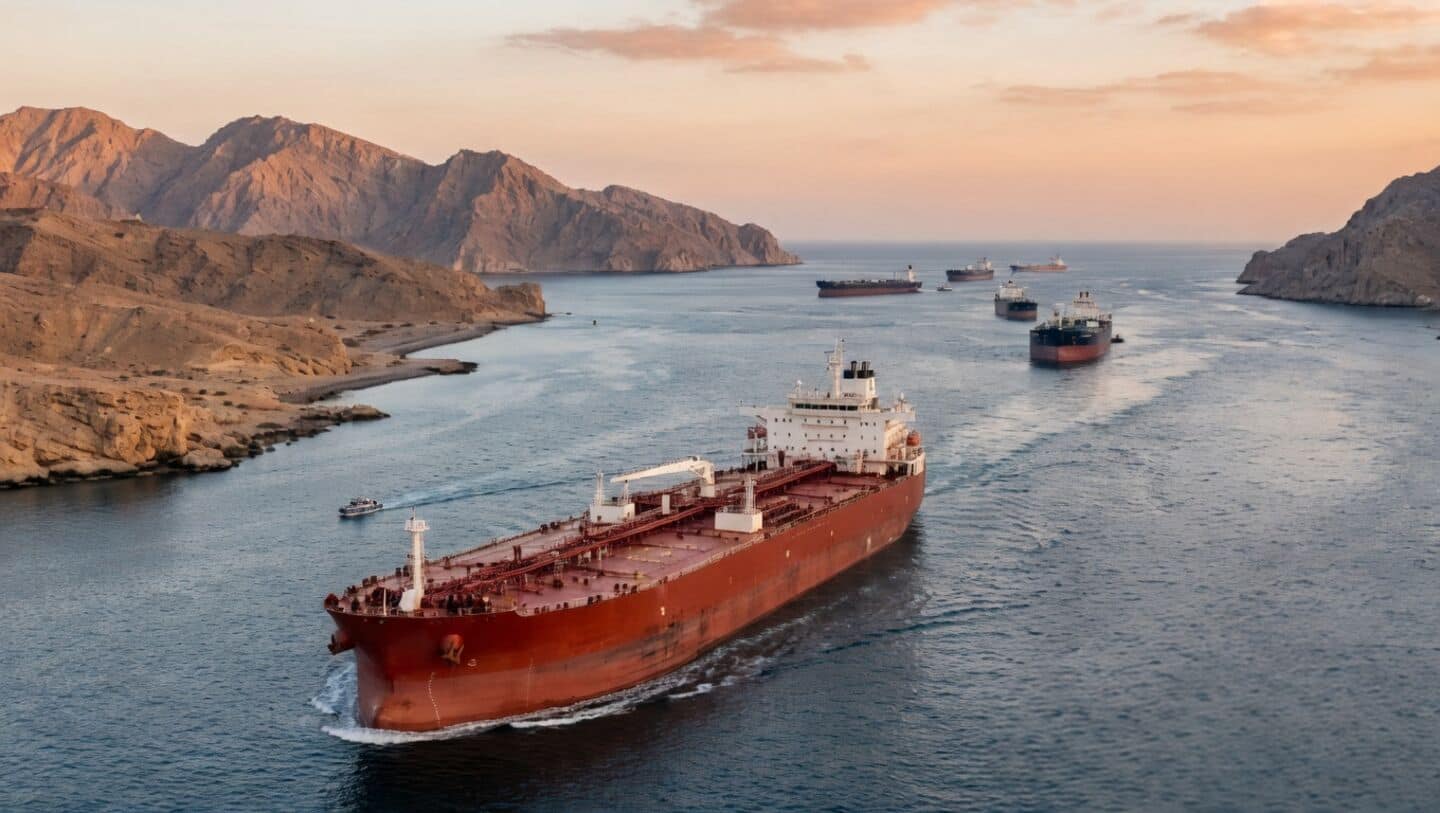
A two-week ceasefire agreement between Iran and Oman reportedly has a clause allowing both countries to impose transit fees on ships passing through the Strait of Hormuz. The 34-km-wide strait is a crucial global oil trade route, accounting for around one-fifth of world oil trade. It lies in the territorial waters of both Oman and Iran, which have never charged tolls before.
Reconstruction funding
Funds to be used for post-war reconstruction
Tehran officials have said that the funds collected from these transit fees will be used for post-war reconstruction, explaining that the ongoing conflict has devastated Iran's defense, administrative, and civilian infrastructure.
The US and Iran agreed to a two-week ceasefire early Wednesday after a 40-day conflict, with Tehran agreeing to conditionally reopen the strategic waterway, which had been effectively closed since February 28 due to attacks on vessels transiting the route.
Negotiation progress
Trump optimistic about finalizing agreement during 2-week ceasefire
US President Donald Trump has expressed optimism about finalizing an agreement during the two-week ceasefire window.
He said Iran's 10-point proposal is a "workable basis" for negotiations.
Further discussions on the Strait of Hormuz's future and other long-term peace aspects are expected in upcoming negotiations between the US and Israel, starting in Islamabad on Friday.
Fee structure
Transit fee will depend on ship type, cargo
The transit fee will depend on the ship type, its cargo, and other prevailing conditions, Reuters reported.
Iran's Deputy Foreign Minister Kazem Gharibabadi earlier said Tehran was drafting a protocol with Oman to facilitate transit through the strait.
However, Gulf nations like the United Arab Emirates and Qatar have opposed this move, calling for free navigation and saying discussions on financial mechanisms should wait.
Maritime law
What does law say?
The United Nations Convention on the Law of the Sea (UNCLOS) allows bordering states to impose limited fees for specific services such as piloting or tugging.
However, they cannot demand payment just for granting passage through international waterways.
A small number of ships have passed through the strait since Iran's Islamic Revolutionary Guards Corps closed it.
There have been reports that Iran has been charging some vessels $2 million to pass through the strait.