Iran willing to compromise on nuclear deal for sanctions relief
What's the story
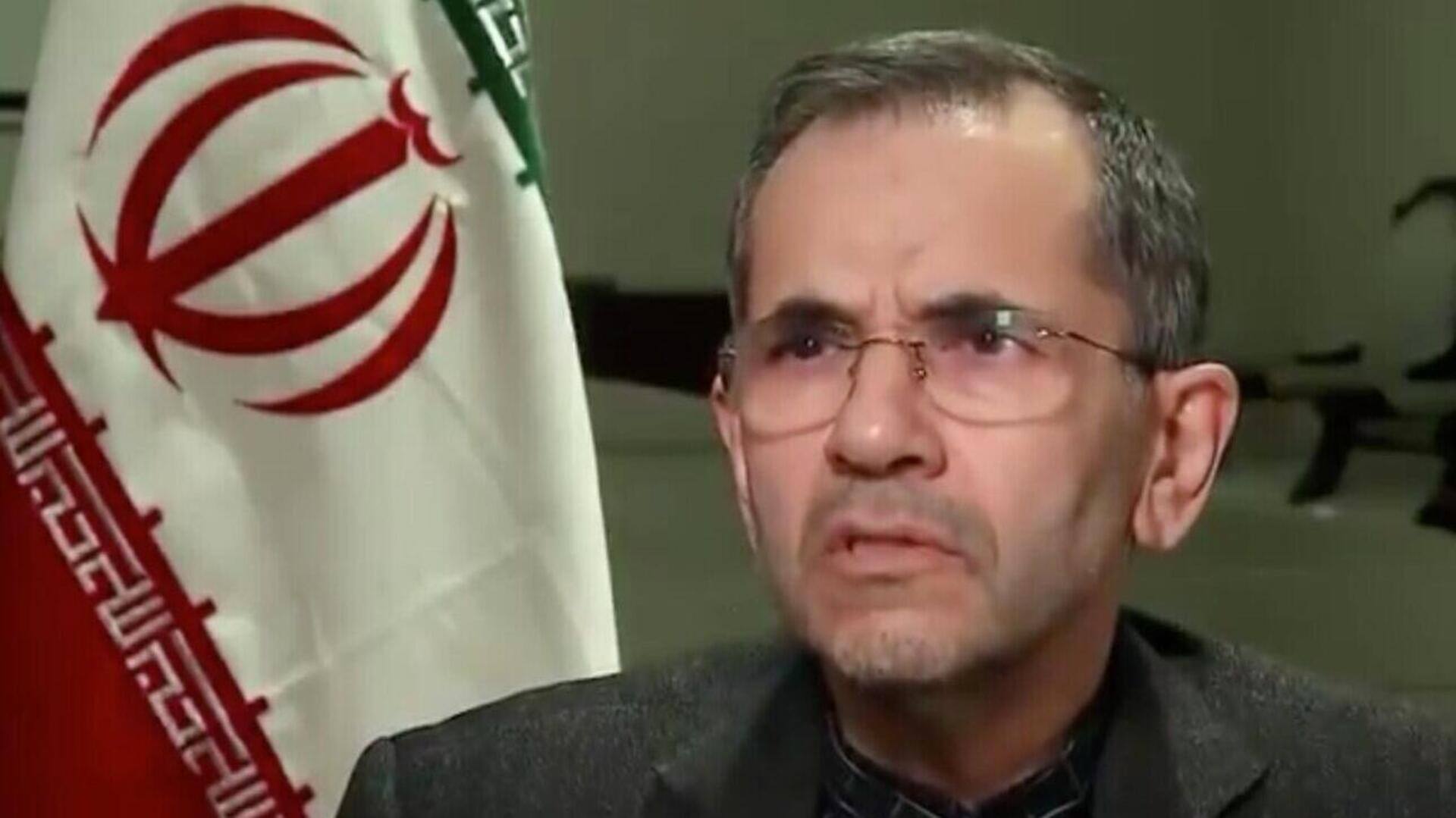
Iran has expressed its willingness to compromise on its nuclear program, but only if the United States is willing to lift sanctions, Iran's Deputy Foreign Minister Majid Takht-Ravanchi remarked in an interview with the BBC. "The ball is in America's court to prove that they want to do a deal," he said, adding that Tehran is open to discussing limits on its nuclear program if sanctions relief is also part of the conversation.
Diplomatic hurdles
Rubio acknowledges difficulty of reaching deal with Iran
US Secretary of State Marco Rubio has also acknowledged the difficulty of reaching a deal with Iran.
He said President Donald Trump would prefer a deal, but it is "very hard to do" one with Iran.
Trump has warned of possible military action if a deal to curb Iran's nuclear ambitions cannot be reached, and the US is bolstering its military presence in the region.
Nuclear negotiations
Iran proposes diluting stockpile of 60% enriched uranium
Iran has proposed diluting its stockpile of 60% enriched uranium as a sign of flexibility.
This level of enrichment is close to weapons-grade and has raised international concerns about Iran potentially developing nuclear weapons, which it denies.
Takht-Ravanchi said Iran is ready to discuss this issue if sanctions are on the table, but did not clarify whether all or partial sanctions relief would be acceptable.
Enrichment debate
Uranium enrichment remains sticking point in negotiations
A key sticking point in the negotiations is uranium enrichment.
The US has previously demanded that Iran stop enrichment altogether, but Takht-Ravanchi said "the issue of zero enrichment is not an issue anymore and as far as Iran is concerned, it is not on the table anymore."
This contradicts Trump's recent statement that "we don't want any enrichment."
Missile defense
Missiles not on the table, say Iranian officials
Iran has also clarified that its ballistic missile program will not be part of the negotiations, despite pressure from Israel and US officials to broaden the scope of any deal.
"When we were attacked by Israelis and Americans, our missiles came to our rescue, so how can we accept depriving ourselves of our defensive capabilities?" Takht-Ravanchi said.
On regime change rhetoric from Trump, Takht-Ravanchi said such language was not reflected in private messages conveyed through Oman's foreign minister mediating talks.
War warnings
Takht-Ravanchi warns against military escalation, says it would be traumatic
Takht-Ravanchi also warned against military escalation, saying another war would be "traumatic" and bad for everyone.
He said if Iran feels threatened, it will respond accordingly.
The deputy foreign minister also highlighted that US military bases in the region would be legitimate targets in a conflict.
Regional powers like Qatar have been involved in diplomatic efforts to prevent escalation, with Takht-Ravanchi noting an "almost unanimous agreement" against war.