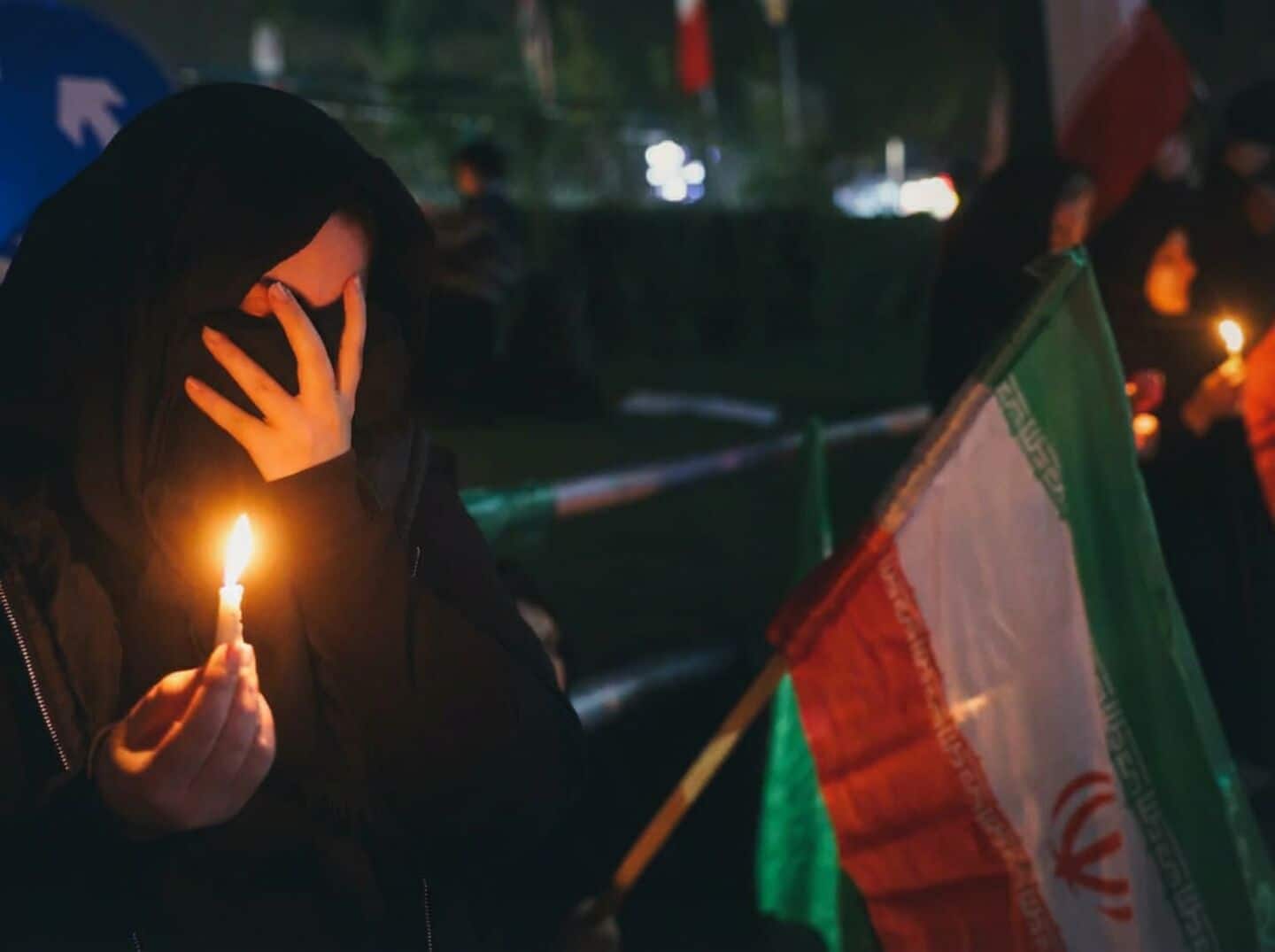
Iranian clerics issue fatwas urging revenge over Khamenei's killing
What's the story
After the death of Iranian Supreme Leader Ayatollah Ali Khamenei in a US-Israeli attack, senior Shiite clerics have issued fatwas calling for revenge. Abdollah Javadi Amoli, a prominent Twelver Shi'a Marja, declared it an "obligation" to target Donald Trump. Grand Ayatollahs Hossein Nouri Hamedani and Naser Makarem Shirazi also called for retaliation against the United States and Israel, with Makarem Shirazi naming them as "main perpetrators."
Security fears
Fatwas raise fears of attacks on US interests
Shirazi described retaliation as a religious duty for Muslims worldwide "until the evil of these criminals is eradicated from the world."
The fatwas have raised fears of possible attacks by sleeper cells and lone terrorists in the West. Embassies and institutions linked to Israel are believed to be potential targets.
Before the war began, US and Western officials had warned that Iran might use its proxies for such attacks, with intercepted communications indicating "some level of attack planning and coordination."
Global unrest
Protests and violence erupt across Middle East
The death of Khamenei has triggered protests and violence across the Middle East.
In Pakistan, protesters tried to storm the US Consulate in Karachi and clashed with police near the US Embassy in Islamabad. At least 34 people were killed in these clashes.
In Iraq, demonstrators clashed with police near the US Embassy, while Hezbollah fired missiles at Israel from Lebanon.
Community impact
Protest in Kashmir over Khamenei's death
Protests were also seen in India's Kashmir, where Khamenei had played a key role in forging unity between Shia and Sunni Muslims.
As protests continued, all government and private schools, colleges, and institutions were closed until at least Saturday, March 7.
Major schools, such as the University of Kashmir and the Central University of Kashmir, have suspended classes and postponed examinations.
Shia Muslims in Australia and Indonesia also held memorials and left tributes outside the Iranian embassy.