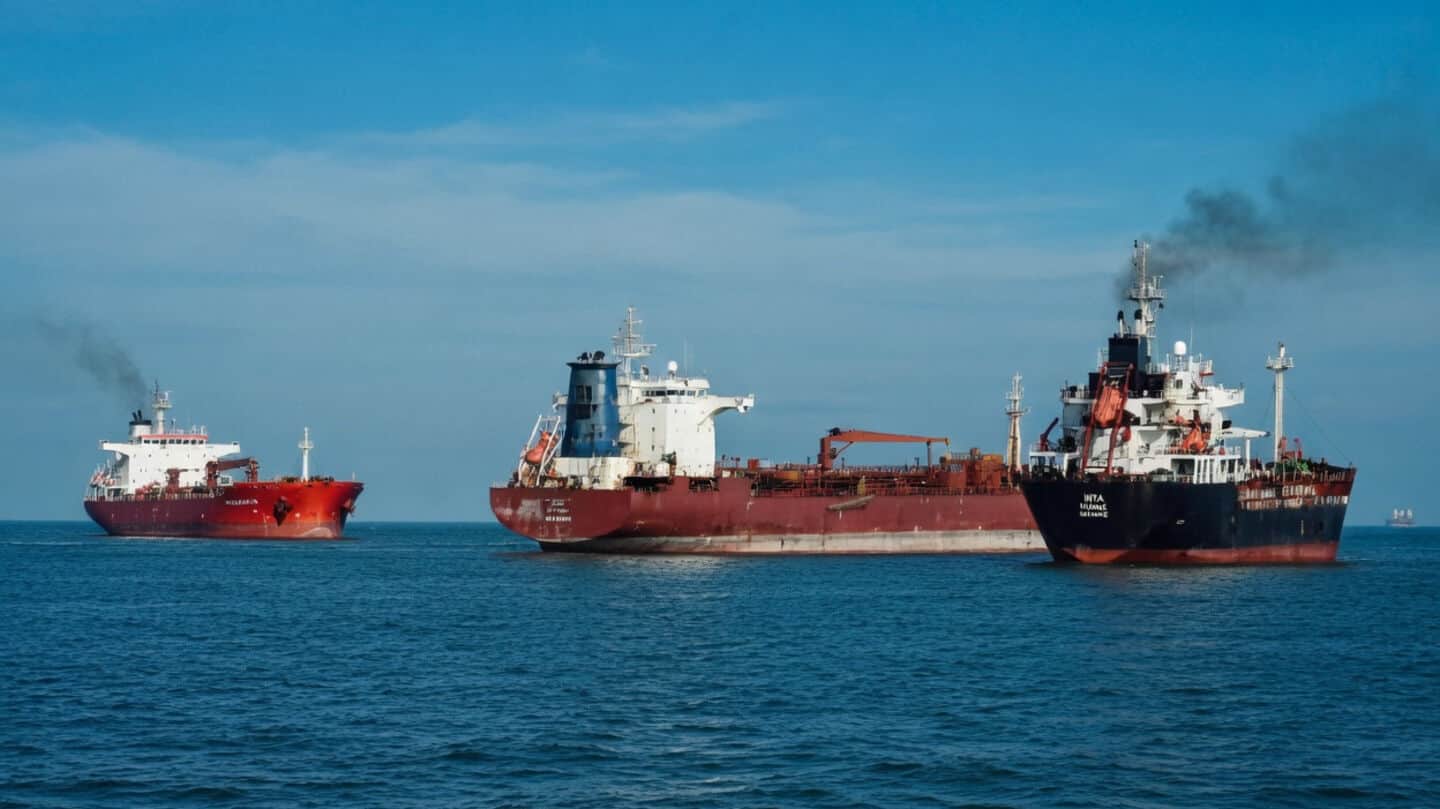
Iran will consider safe passage on Omani side of Hormuz
What's the story
Iran has offered a proposal to allow ships to pass freely through the Omani side of the Strait of Hormuz, without any risk of attack, a source briefed by Tehran told Reuters. This is part of ongoing negotiations with the United States to prevent further conflict. The source, however, did not specify whether Iran would agree to clear mines it may have planted or whether all ships, including those tied to Israel, would be permitted to pass freely.
Conflict resolution
Control over Strait of Hormuz remains a major sticking point
A two-week ceasefire came into effect on April 8, with US President Donald Trump stating that the war was close to ending.
However, control over the Strait of Hormuz remains a major sticking point in negotiations.
The United States is reportedly keen to hold another round of in-person negotiations with Iran before the current two-week ceasefire expires on April 21.
The White House has indicated that the negotiations will likely take place in Pakistan again.
Maritime proposal
Proposal seen as step back from Iran's aggressive stance
The proposal is seen as a step back from Iran's more aggressive recent proposals, such as charging ships for passage through the strait and claiming sovereignty over it.
This would be an attempt to restore decades-old maritime norms in the region.
The UN's International Maritime Organization has opposed Iran's idea of imposing a toll on ships, calling it a "dangerous precedent."
Trade tensions
US military has imposed a blockade on oil ships
The US military on Wednesday said it had imposed a blockade on oil ships leaving Iranian ports, claiming "maritime superiority" in the Middle East.
In response, Iran warned it would block trade through other routes if the blockade continues.
Finance ministers from several countries have urged all parties to fully implement their ceasefire agreements, warning that "continued disruption in the Strait of Hormuz would pose serious additional risks to global energy security, supply chains, and economic and financial stability."