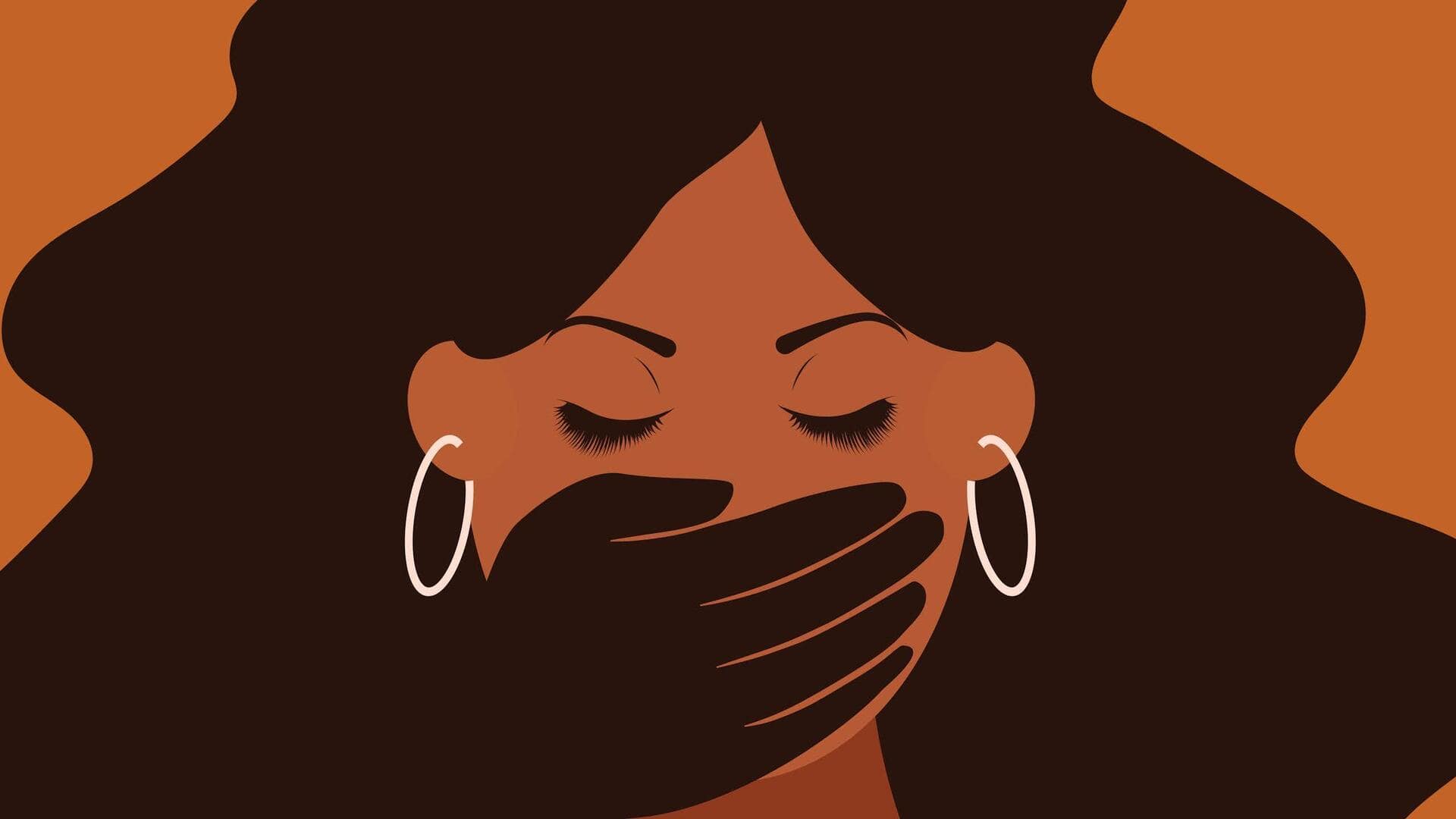
Media coverage of violence against women hits new low: Study
What's the story
A recent study has revealed that media coverage of violence against women and girls (VAWG) and misogynistic abuse has hit a "pitiful" low. The research analyzed 1.14 billion online stories published between 2017 and 2025, finding that only 1.3% of global news in 2025 covered these issues. This is the lowest percentage during the study period, with coverage peaking at 2.2% in 2018 amid the #MeToo movement.
Regional disparity
Africa's coverage decline
In Africa, where sexual violence has been rampant in several conflicts, coverage fell to a nine-year low of 1.18% in 2024.
Professor Julie Posetti from City St George's, University of London expressed concern over the decline in rights, highlighting the alarming nature of the issue.
She noted that violence against women and misogyny are being exploited by authoritarian regimes as part of a broader rollback of rights.
Coverage gap
Addressing structural misogyny in media coverage
The report also analyzed nearly one million articles related to Jeffrey Epstein from 2017 to February 2026, finding only a mere 0.1% mentioned "violence against women."
The analysis also highlighted a lack of focus on structural misogyny that enables abuse through long-standing prejudices and power imbalances.
Luba Kassova, the report's lead author, noted that "the gender-inequality lens is all but missing from coverage of the Epstein story."
Digital threat
Online violence against women and media representation
As society becomes more digital, online violence against women and girls is also on the rise.
Research indicates that up to 60% of women globally have faced some form of online gendered abuse.
When such stories are covered in the media, men's perspectives often dominate, with an average of 1.5 men quoted for every woman in misogyny-related stories.
Coverage trends
Rise of 'gender ideology' in media discourse
The study also found that while references to misogyny-related terms declined, mentions of "gender ideology" increased by 42 times between 2020 and 2025. This was mainly driven by the US media.
Sarah Macharia from the Global Media Monitoring Project noted that "gender ideology" was being used to normalize and spread misogyny in Latin America since around 2010.
Proposed solutions
Solutions for better media coverage and the way forward
The report also proposed solutions to improve coverage of violence against women and girls.
These include putting female journalists and editors in charge of shaping coverage and centering victims and survivors in stories.
Publications are urged to explain high-profile cases by uncovering root causes such as gender inequality, patriarchal norms, and misogynistic culture.
Professor Posetti acknowledged some media initiatives addressing violence against women but stressed the need for wide-scale change in discourse and norms.