Taking Trump's cue? Mexico imposes 50% tariffs on India
What's the story
The Mexican Senate has approved a new tariff regime that will impose duties of up to 50% on imports from countries without a trade agreement with Mexico. The list includes China, India, South Korea, Thailand, and Indonesia. The bill was passed with 76 votes in favor and five against. It will raise or introduce new tariffs on various products such as vehicles and auto parts, textiles and garments, plastics, and steel from 2026.
Domestic impact
Tariff hike aims to protect domestic manufacturers
The tariff hike is aimed at protecting domestic manufacturers in Mexico. However, it has faced opposition from business groups and affected governments, including China.
The approved bill is less severe than an earlier proposal that stalled in the lower house.
It covers around 1,400 tariff lines mainly for textiles, apparel, steel, auto parts, plastics, and footwear while reducing duties on about two-thirds of items compared to the original plan.
Economic implications
Tariff hike could raise $3.76 billion for Mexico
Analysts and industry representatives say the tariff hike is also aimed at reassuring the United States ahead of the next review of the United States-Mexico-Canada Agreement (USMCA).
They estimate it could raise an additional $3.76 billion for Mexico next year as it tries to narrow its fiscal deficit.
While some commodities will face the maximum tariff of 50%, the majority of products are projected to fall within the 35% bracket.
Trade impact
India's trade with Mexico faces challenges
India has been one of the key exporting nations affected by this policy shift.
The country had sought to boost exports of textiles, auto components, and engineering goods to Latin America through Mexico.
However, these tariffs could reduce competitiveness in these industries and push companies to reconsider supply-chain routing through Mexico.
India has yet to respond to the latest move.
US influence
Mexico's protectionist turn amid US pressure
Mexico's protectionist turn is seen as a response to pressure from the United States.
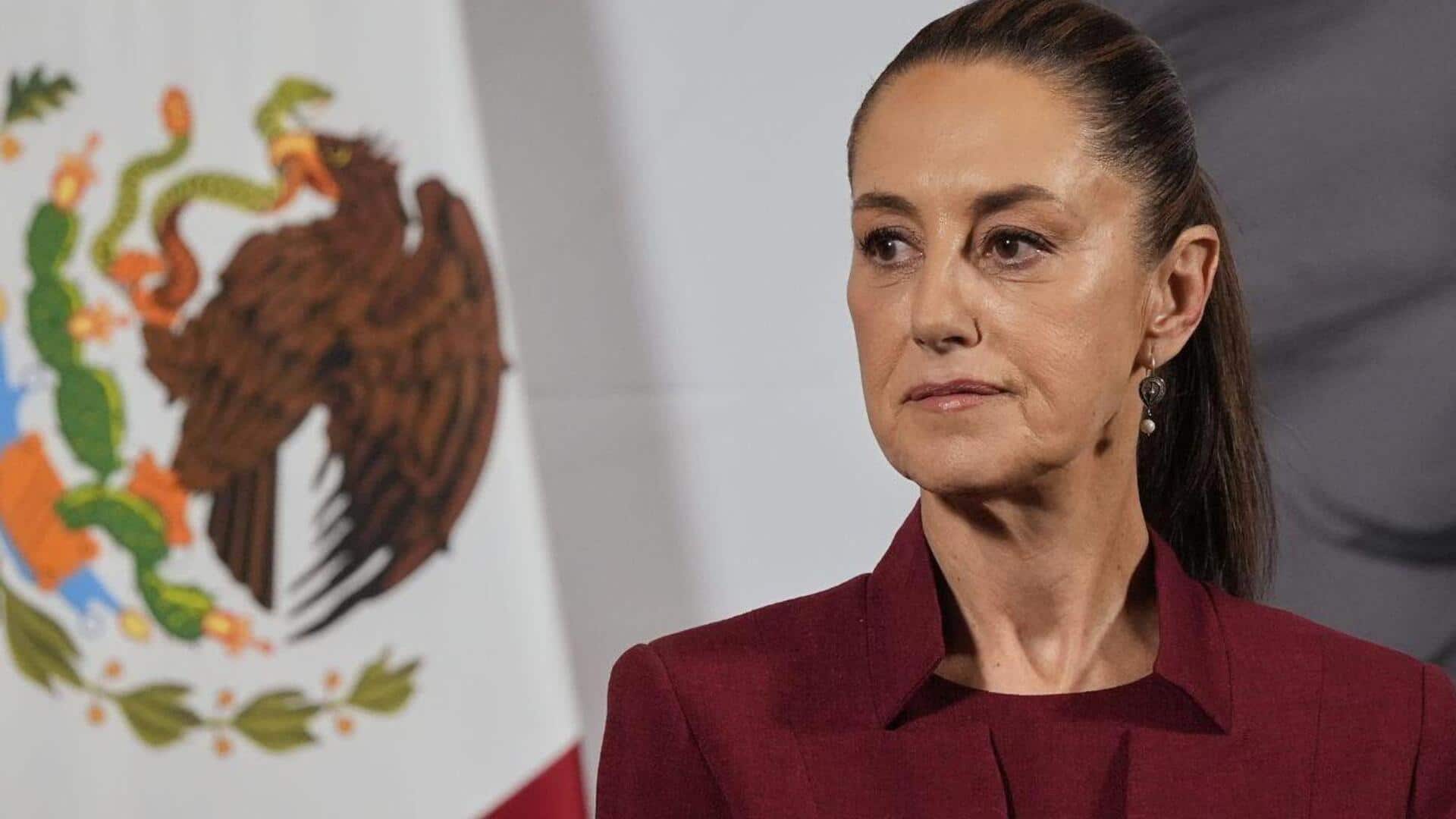
President Claudia Sheinbaum's administration hopes this alignment with Washington's tougher stance on Chinese goods will ease the impact of US tariffs on Mexican exports such as steel and aluminum.
The new tariff structure closely resembles American trade actions, even though Sheinbaum denied any link to US demands, Bloomberg reported.