Russia, China reject US's 'sanctions bill from hell'
What's the story
The Kremlin has warned that the new US sanctions bill targeting Moscow will "definitely complicate" efforts to find a peaceful resolution to the war in Ukraine. The House of Representatives passed the Lindsey O Graham Sanctioning Russia and Iran Act of 2026, with a vote of 262-159. It now awaits President Donald Trump's approval. The legislation would empower the administration to impose tariffs up to 100% on top five buyers of Russian oil or natural gas, like India and China.
Economic concerns
Further US sanctions could hinder peace efforts in Ukraine: Kremlin
"We are, of course, monitoring the progress of this bill...It falls under the category of unfriendly actions...the imposition of any additional sanctions by the US would certainly complicate efforts to find peace settlement in Ukraine," Kremlin spokesman Dmitry Peskov said.
The bill, dubbed 'sanctions bill from hell' by Graham, targets Russia's energy and defense industries, as well as its "shadow fleet" of tankers that avoid existing sanctions to deprive Moscow of funds used to pay for its war against Ukraine.
Economic protection
India vows to protect energy security
India has vowed to take "all necessary measures" to protect its economic interests and ensure energy security in light of the proposed tariffs.
The Ministry of External Affairs (MEA) reiterated that India remains firmly committed to ensuring energy security for its 1.4 billion people.
"It will continue to do so through diversified sourcing and on the basis of evolving market dynamics," it said.
China
China's reaction
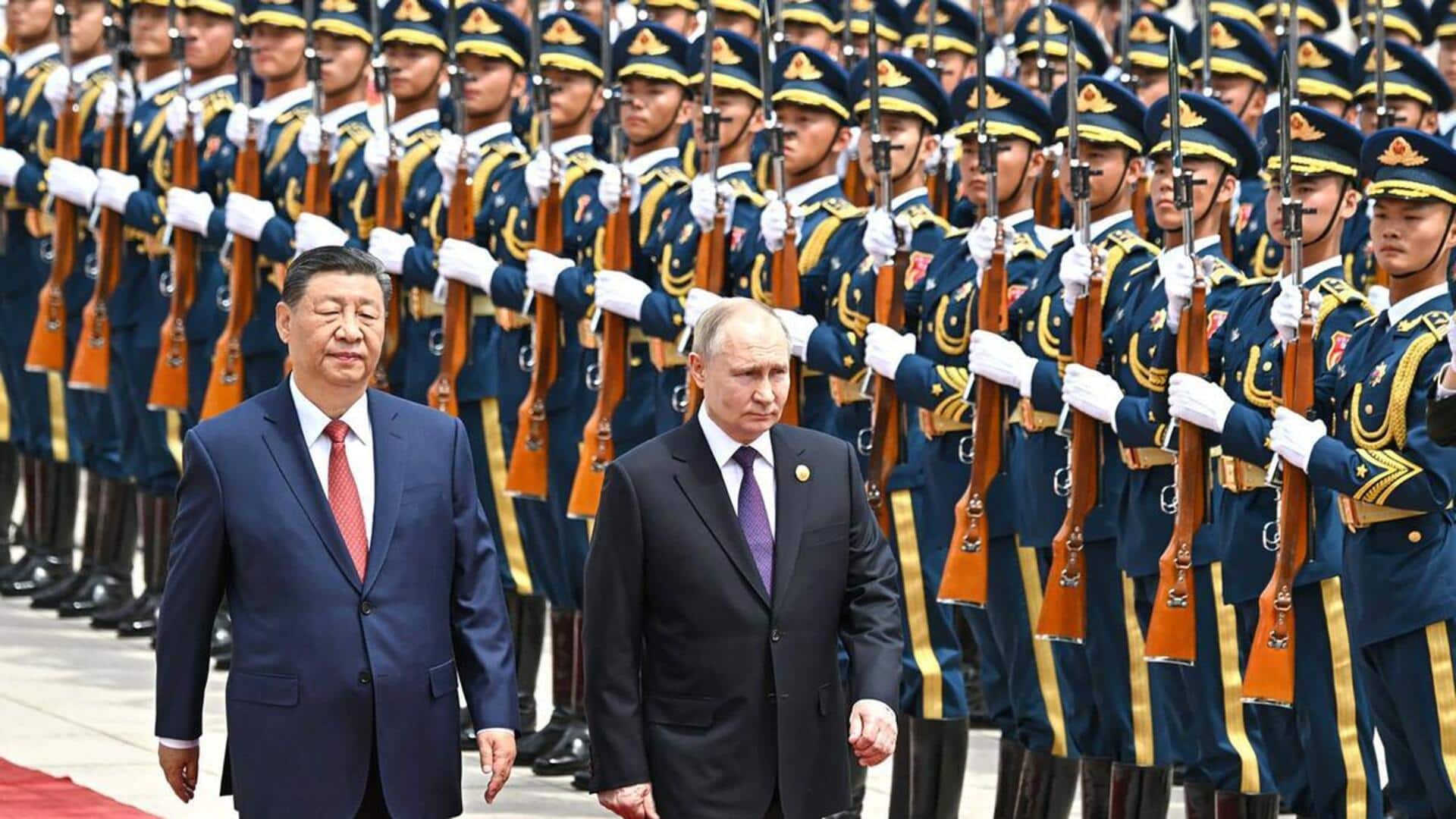
China has also rejected the bill, saying Beijing consistently "opposes long-arm jurisdiction that lacks a basis in international law and is not authorized by the United Nations Security Council."
Chinese Foreign Ministry spokesperson Guo Jiakun said China has always carried out normal economic and trade cooperation with countries based on equality and mutual benefit.
"Such cooperation neither targets any third party nor is subject to interference or coercion from any third party," he said.