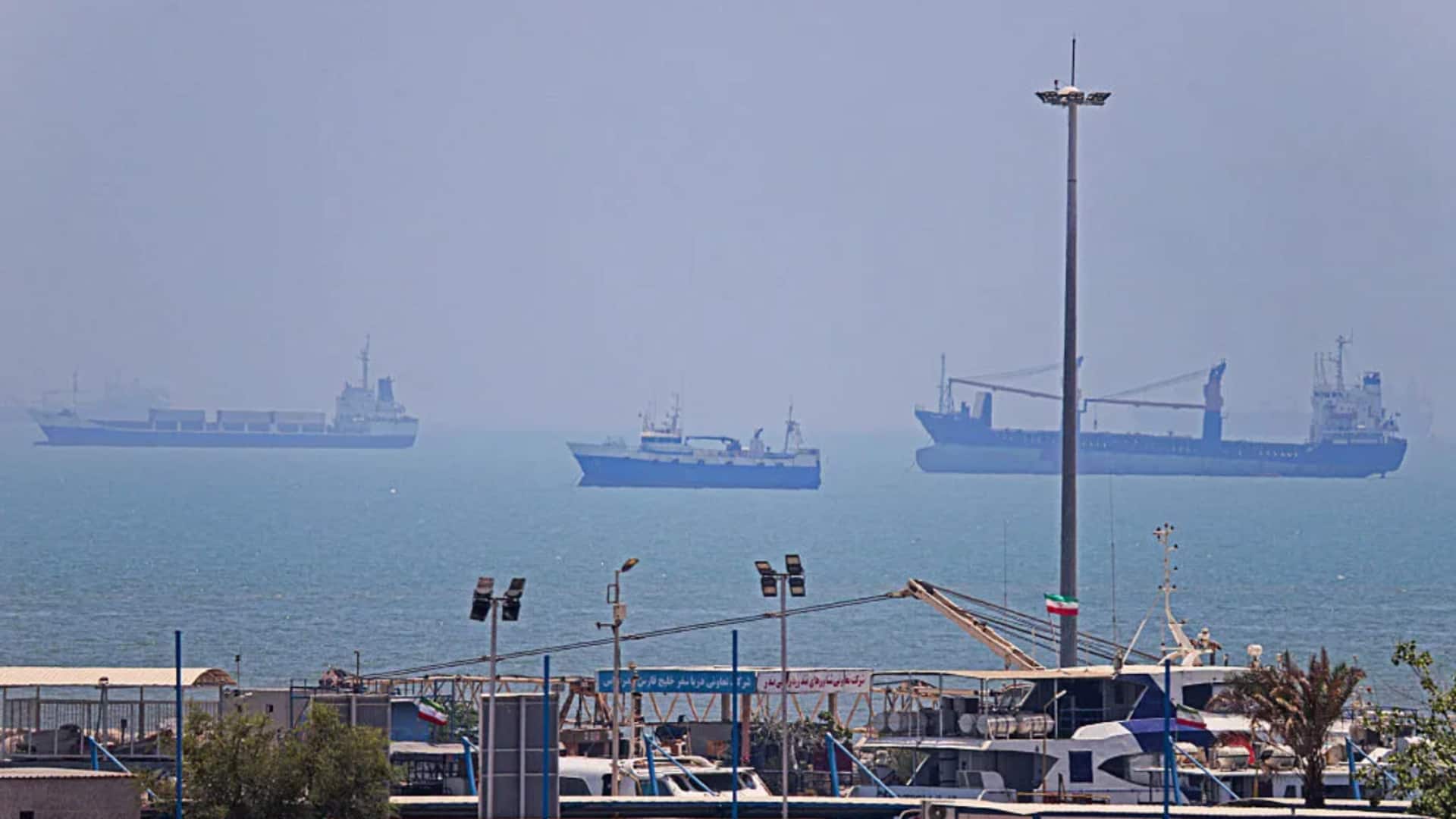
80 mines block Hormuz; normal shipping still unlikely
What's the story
The Strait of Hormuz, a key maritime chokepoint, is currently blocked by around 80 mines. The International Association of Independent Tanker Owners (INTERTANKO) has said that normal shipping operations will not resume until these mines are cleared. The conflict between the United States and Iran had led to the mining of the strait's center, which is part of a traffic separation scheme with Oman since 1968.
Route concerns
Alternative routes fraught with risks
The conflict has left around 20,000 seafarers stranded on either side of the channel.
According to a report by The Guardian based on a US claim, some ships have managed to pass through with US assistance or by paying to travel through Iranian waters.
However, these alternative routes are fraught with navigational risks such as running aground on rocks and potential collisions due to increased vessel traffic in narrow areas.
Additional risks
Iran's signal jamming adds to dangers
Further complicating matters, Iran's alleged "signal jamming" has left ships sailing blind. This adds to fears of collisions and groundings that could further disrupt global trade.
Meanwhile, although under the terms of the US-Iran memorandum, Tehran is required to ensure toll-free passage for commercial vessels for at least 60 days, there are concerns over Iran's plans to charge maritime fees for vessels crossing the strait once the 60 days are over.
Industry worries
Shipping industry fears tolls could set precedent
The shipping industry is worried that Iran's decision to charge fees could set a precedent for other important waterways.
Hapag-Lloyd has called it "fundamentally wrong" to charge vessels for passing through international waters, arguing that such tolls should only apply to major infrastructure investments like the Suez or Panama canals.
Richard Meade, editor-in-chief at maritime data provider Lloyd's List, said, "We are in uncharted territory... I don't think [shipping in the strait] is getting back to normal this year."