US humanitarian aid to UN down to $2B, from $17B
What's the story
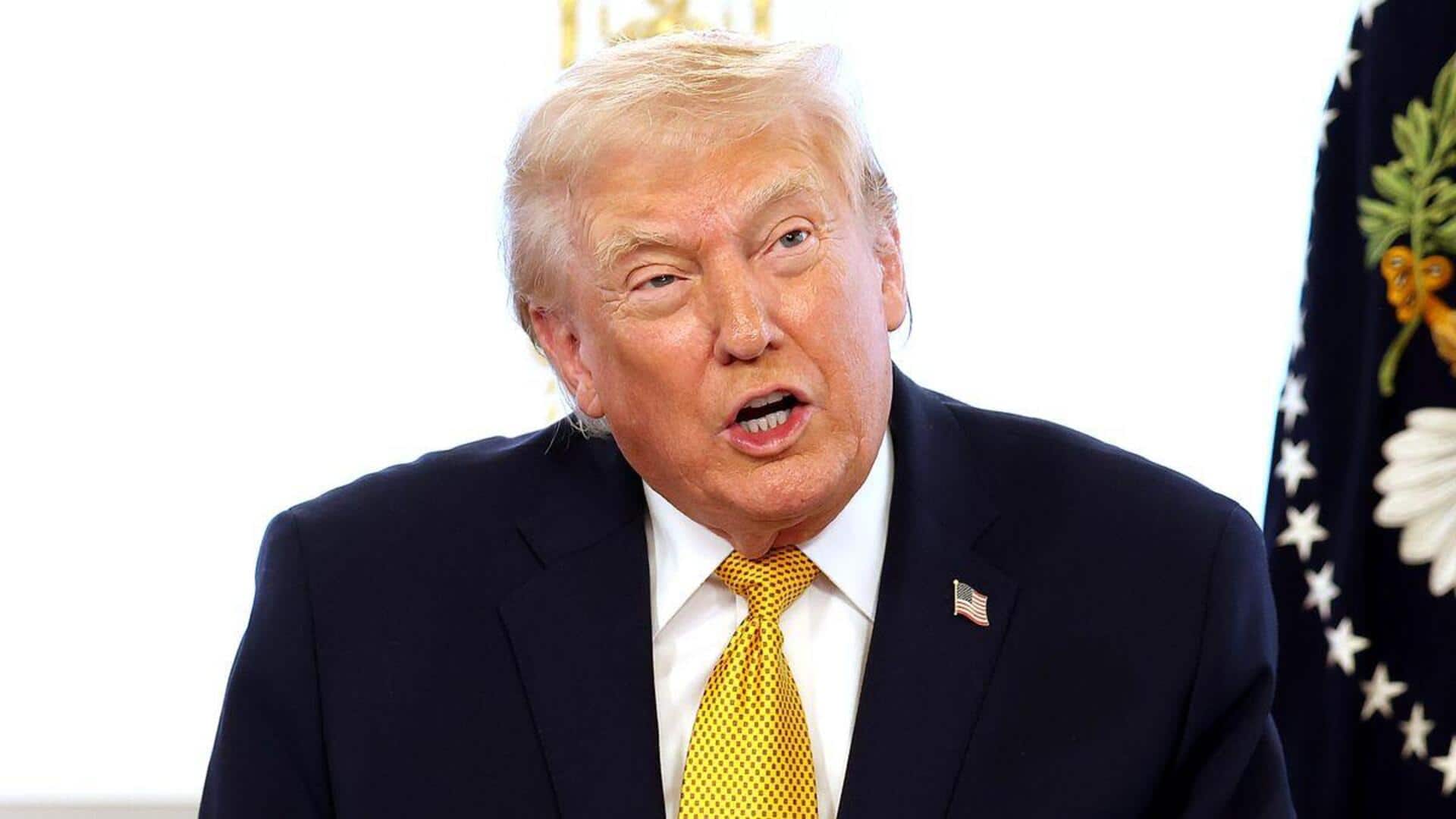
The United States pledged $2 billion to the United Nations (UN) for humanitarian aid on Monday. This amount is a sharp decline from the annual high of up to $17 billion in recent years, UN data shows. The Trump administration's decision is part of its broader strategy to reduce foreign assistance and push UN agencies toward reforms under an "adapt, shrink or die" policy.
Funding changes
New funding mechanism and reform demands
The $2 billion pledge will create a new funding mechanism for US humanitarian aid, which will be allocated to individual agencies and priorities.
This is in line with US demands for sweeping reforms across the UN system.
The State Department said that "individual UN agencies will need to adapt, shrink, or die."
Budget reductions
UN agencies face funding cuts, potential job losses
The funding cuts will impact several UN agencies, including the International Organization for Migration, the World Food Program, and the refugee agency UNHCR.
These organizations have already received billions less from the US this year compared to previous years under the Biden administration, and even under the administration of Trump's first term.
The changes could force these agencies to cut spending, shut down projects, and eliminate thousands of jobs.
Leadership consolidation
US seeks consolidated leadership authority in UN aid delivery
Under the new arrangement, the UN Office for the Coordination of Humanitarian Affairs (OCHA) will be a central channel for US and other donor funding.
The US wants "more consolidated leadership authority" in this system.
The plan gives OCHA control over distributing funds to UN agencies, with an aim to deliver more aid with fewer tax dollars.
Crisis focus
Reform plan prioritizes specific crises, countries
The reform plan includes pooled funding mechanisms for specific crises or countries.
Seventeen countries will be prioritized under this initiative, including Bangladesh, Congo, Haiti, Syria, and Ukraine.
However, Afghanistan and the Palestinian territories are not included in this list.
The initiative reflects Trump's view that while the UN has vast potential to save lives, it has strayed from its original mission.