Wildfires, heatwaves may worsen air quality, pose health risks: UN
What's the story
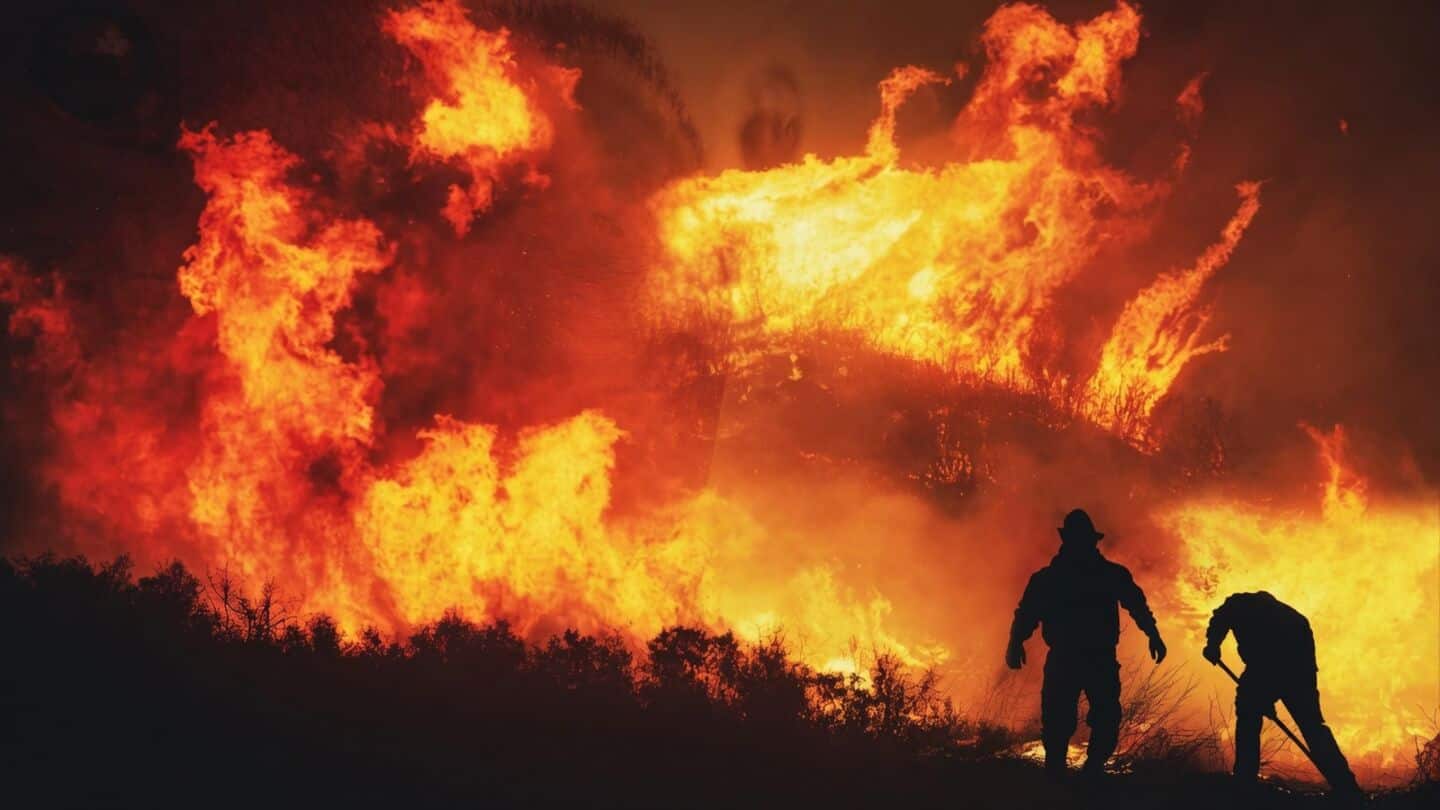
The World Meteorological Organization (WMO) has warned that worsening air quality due to wildfires and heatwaves could pose a public health risk. The UN weather agency's annual report highlights the close connection between air pollution and climate change. It stresses the need for coordinated policies to tackle these issues. The WMO said meeting the World Health Organization's air quality guidelines may become harder as extreme fire weather becomes more frequent.
Pollution sources
Wildfire smoke is becoming a major source of air pollution
The report notes that wildfire smoke is becoming a major source of air pollution. This is despite regulations reducing emissions from industry and transport in developed countries.
Wildfires emit large amounts of fine particulate matter (PM2.5) and other pollutants into the atmosphere, contributing to deteriorating air quality even in regions far from fires.
Health risks
PM2.5 is a major health hazard
PM2.5, or fine particulate matter, can penetrate deep into the lungs and enter the bloodstream, posing serious health risks.
The WMO identifies PM2.5 as a major health hazard linked to respiratory and cardiovascular diseases.
Wildfire smoke is particularly concerning because it contains a mixture of chemicals that can trigger inflammation throughout the body and contribute to pulmonary disease.
Climate impact
Climate change and air quality should not be separate issues
The WMO report emphasizes that climate change and air quality should not be treated as separate issues.
Extreme heat can create atmospheric conditions for pollutants, while hot and dry conditions increase wildfire likelihood.
Ground-level ozone is another major concern, as extreme heat worsens ozone pollution.
The report also highlights PM2.5 concentrations above long-term averages in regions like Northern Canada, parts of Russia, western-central Africa, and northwestern Spain due to increased fire activity in 2025.
Monitoring efforts
WMO calls for better monitoring of pollutants
The WMO report goes beyond PM2.5 and ground-level ozone, calling for better monitoring of black carbon and microplastics.
These pollutants are poorly monitored despite being widespread in the atmosphere.
The report emphasizes that climate change complicates air quality issues as activities releasing greenhouse gases also produce air pollutants.
This creates a challenge for countries reducing pollution from transport and industry while dealing with increased wildfire smoke contributions.
Policy recommendations
WMO recommends coordinated action on climate change, air pollution
The WMO recommends stronger monitoring of atmospheric pollutants and coordinated action on air pollution and climate change.
The report's central warning is clear: while reducing conventional pollution remains important, worsening wildfires and heatwaves could offset gains.
As extreme fire weather becomes more common, protecting air quality will require accounting for emissions from climate-driven extremes along with urban, transport, and industrial sources.