India's passenger vehicle sales to hit 4.7M units this fiscal
What's the story
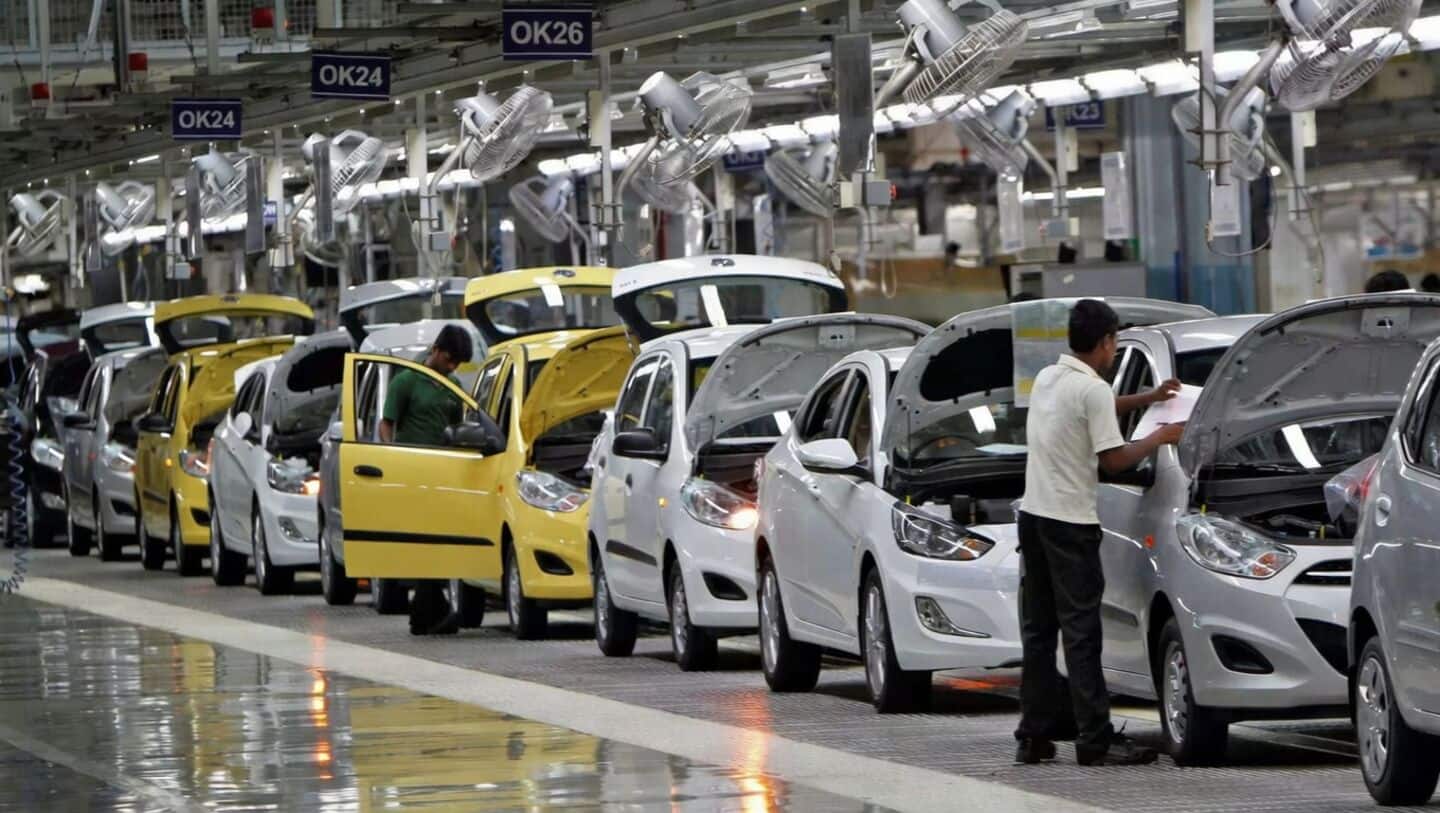
India's passenger vehicle (PV) industry is expected to end the current fiscal year with sales of around 4.7 million units. The projection comes despite supply chain issues and rising logistics costs due to geopolitical tensions in West Asia. Industry executives believe that sales could have been higher if not for freight bottlenecks and increased transportation costs limiting factory dispatches in this fiscal year's last month.
Market resilience
Five million annual sales target in FY27
Despite these challenges, the industry's growth trajectory remains intact.
With domestic demand remaining strong and supply conditions expected to stabilize, the sector is likely to surpass five million annual sales in FY27. This would mark a new milestone for India's PV market.
Dealers across markets are reporting strong bookings ahead of the fiscal year-end, traditionally a peak season for vehicle sales.
Challenges ahead
Supply-side pressures building up
A senior executive at a leading automobile manufacturer said, "Demand on the ground continues to be strong and bookings remain healthy, but supply-side pressures are building up."
They added that if these issues persist, wholesale dispatches could see some dip even though retail demand remains intact.
Dealers have already noted these supply constraints translating into missed sales opportunities with some reporting a decline in supply from manufacturers by about 10-15%.
Industry concerns
SIAM raises concerns over supply chain disruptions
The Society of Indian Automobile Manufacturers (SIAM) has raised alarms over supply chain disruptions, freight bottlenecks, and rising transportation costs that could impact factory dispatches.
Dealers have also noted vehicle movement becoming more expensive as transport operators impose higher freight rates after losing earlier diesel discounts.
Automakers have also flagged increasing operational costs in energy-intensive processes such as paint shops at manufacturing plants.
Market dynamics
Domestic demand remains key growth driver
Despite these near-term challenges, companies say domestic demand remains the key growth driver for the industry.
Strong order books and sustained consumer interest, especially in sport-utility vehicles (SUVs), continue to support sales momentum.
Maruti Suzuki recently said it is "closely tracking developments in the Middle East," though its exposure to the region is limited and strong domestic demand continues to support production.
Supply chain resilience
Localization levels at major manufacturers exceed 70-80%
Localization levels at major manufacturers now exceed 70-80%, reducing exposure to global disruptions and helping companies maintain production even during periods of international volatility.
The rapid shift toward SUVs has also reshaped the market with these vehicles accounting for the majority of passenger vehicle sales in India.
This trend supports higher volumes and improved margins across the sector, experts said.