Highway travel getting stricter this month: What changes for you?
What's the story
India's Ministry of Road Transport and Highways (MoRTH) is all set to introduce stricter regulations for national highways from April 10. The new guidelines will cover toll payments, vehicle documentation, and security on national roads. One of the major changes is that all motorists will now have to present a valid government-issued ID such as Aadhaar, driving license, or passport at tolls and highway checkpoints.
Safety
ID checks at tolls
The new rule of mandatory ID checks at tolls and highway checkpoints is aimed at improving accountability and curbing illegal transport activity. If a motorist fails to show their ID, they may be fined or denied passage. The move is part of MoRTH's larger effort to make highway travel safer and more efficient for all road users.
Payment methods
Cashless tolling and digital payments
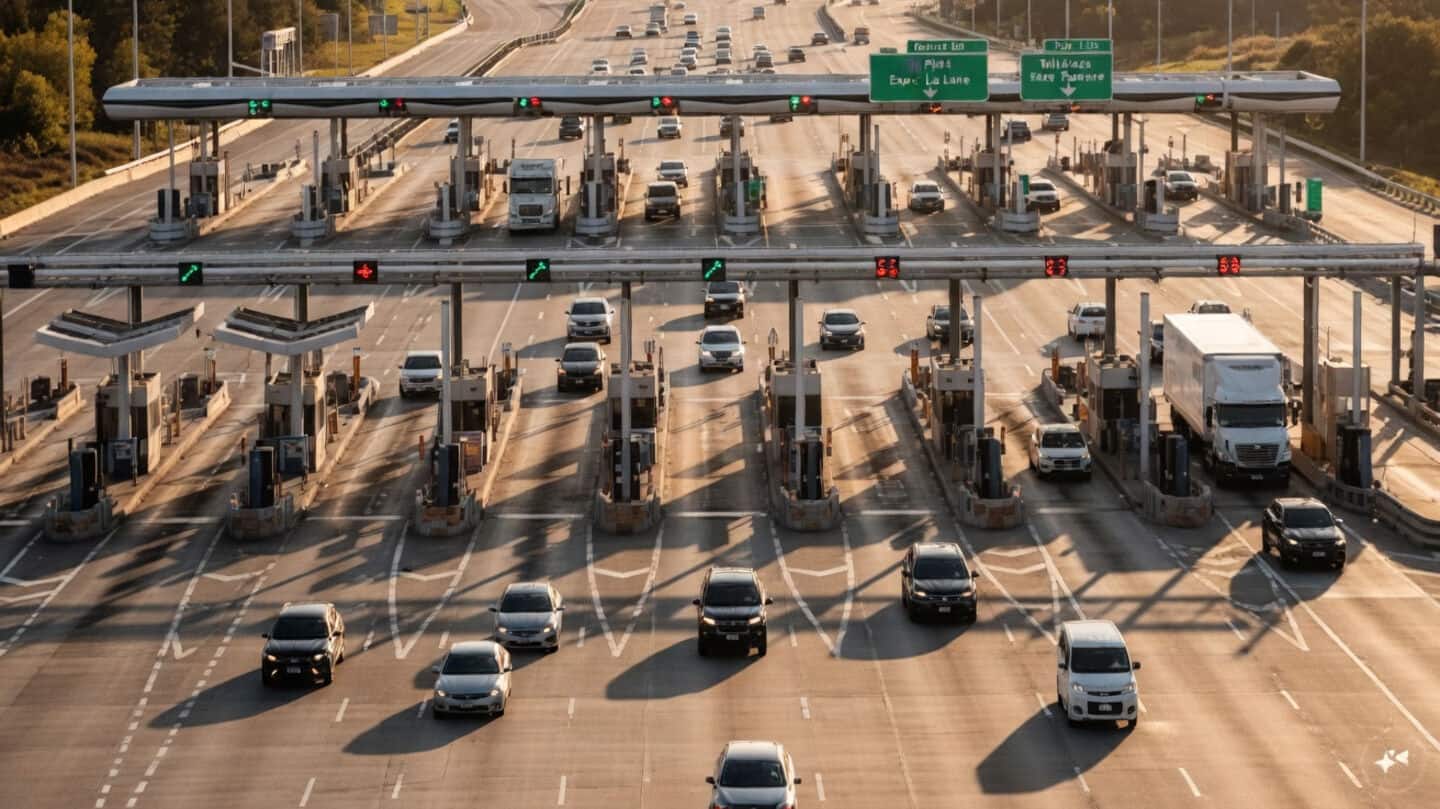
Under the new rules, cash will no longer be accepted at toll plazas. Instead, FASTag, UPI, debit cards, or other digital modes are now mandatory. Vehicles without FASTag can still pay digitally, but may face higher toll charges or penalties under Rule 14 of the National Highways Fee Rules. The move is aimed at reducing congestion and speeding up traffic on national highways.
Measures
Highway patrols to conduct random checks
Highway patrols will conduct random checks on insurance, registration, and pollution certificates. This is to ensure only roadworthy and legally compliant vehicles are on highways. Further, toll plazas and key junctions will be fitted with CCTV cameras and automated number plate recognition (ANPR) systems. These will be integrated with digital payments to track vehicle movements, detect violations, and provide data for planning/enforcement purposes.