Waymo to launch robotaxi service in Singapore by 2028
What's the story
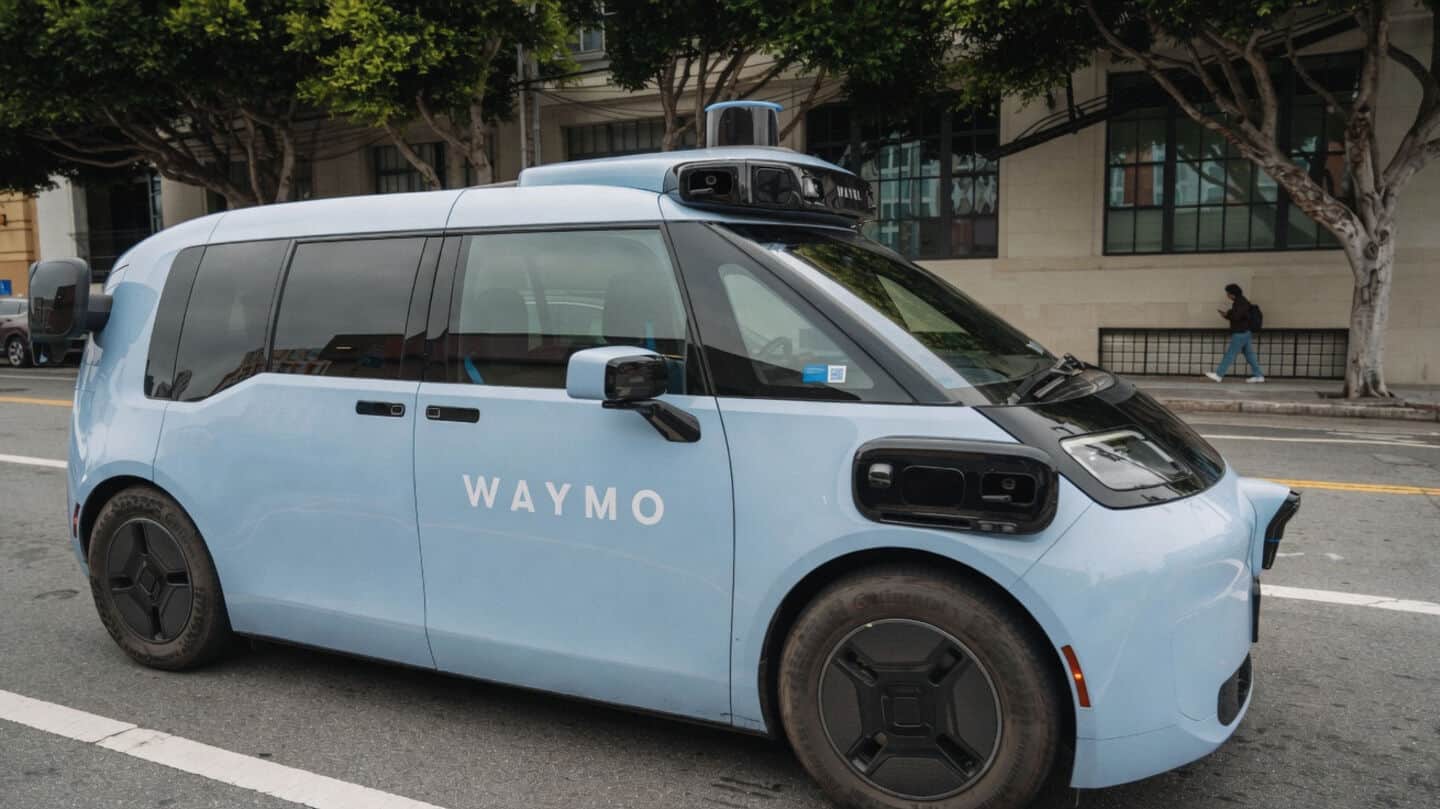
Waymo, the self-driving car company owned by Alphabet, has announced its plan to launch a robotaxi service in Singapore in 2028. The announcement comes as part of Waymo's strategy to expand into international markets. The company's vehicles are expected to start arriving in Singapore within the next few months for mapping and autonomous testing with human safety drivers behind the wheel.
Progress timeline
Approval from local authorities needed
Waymo is "working toward offering fully autonomous ride-hailing to the public" by 2028.
However, before it can start accepting passengers, the company will need approval from Singapore's Land Transport Authority (LTA).
The city-state mandates all autonomous vehicles to pass a safety assessment at the Centre of Excellence for Testing and Research (CETRAN) before they can be used on public roads.
Local operations
Waymo's presence in Singapore
Waymo isn't a stranger to Singapore. The company set up a corporate entity there earlier this year and is part of Singapore's Steering Committee on Autonomous Vehicles.
The city-state has become a hub for autonomous vehicle testing, with local authorities approving trials for autonomous freight delivery, road-sweepers, and self-driving busses for airport workers.
Global strategy
Expansion into other international markets
Along with Singapore, Waymo also plans to launch a robotaxi service in London by the end of this year and Tokyo in 2027.
The company will also expand into Munich, Germany, in late 2027, its first foray into the European Union.
"Singapore has built one of the safest, most efficient, and most forward-thinking transportation ecosystems in the world," said Waymo co-CEO Tekedra Mawakana.
US operations
Waymo's current operations and challenges in the US
This year, Waymo has announced several new domestic markets including Nashville, Denver, San Diego, and Las Vegas.
The company currently has some 4,000 vehicles operating across around 15 US cities.
However, regulatory hurdles and political opposition have kept it out of major US cities such as New York City, Chicago, and Washington DC.