Why China has revised its foreign trade law
What's the story
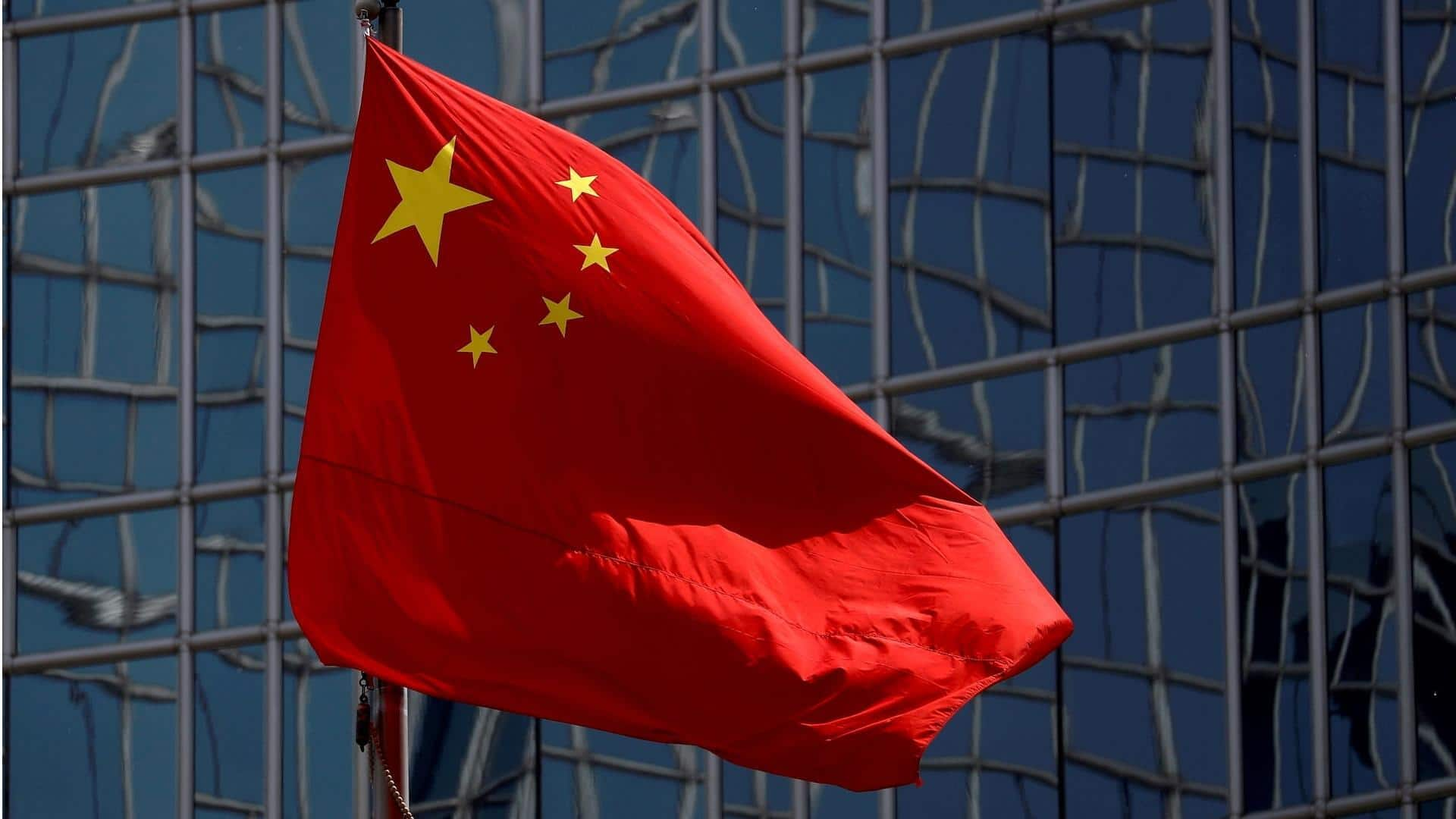
China has approved revisions to its Foreign Trade Law, a key legislative move aimed at bolstering the country's trade capabilities. The changes were approved by China's top legislative body today and will come into effect from March 1, 2026. The world's second-largest economy is overhauling its trade-related legal frameworks partly to convince members of a major trans-Pacific trade bloc of its eligibility for participation.
Law details
New law aims to enhance China's trade resilience
The revised Foreign Trade Law, first adopted in 1994 and last amended in 2022, seeks to empower policymakers with tools to retaliate against trading partners trying to limit its exports.
It also introduces "negative lists" as a mechanism for opening restricted sectors to foreign firms.
The updated legislation emphasizes that foreign trade should "serve national economic and social development" and contribute toward making China a "strong trading nation."
Trade sectors
Revision focuses on digital trade and intellectual property
The revision also expands the legal toolkit for countering external challenges, focusing on sectors such as digital and green trade, as well as intellectual property provisions.
These are key improvements China needs to make in order to meet the standards of the Comprehensive and Progressive Agreement for Trans-Pacific Partnership.
The changes come amid rising external pressures and China's desire to reduce its dependence on the US.
Legal preparedness
China prepares for potential lawsuits from private firms
China is also preparing for possible lawsuits from private companies, which are becoming more prominent in the country.
A Western trade diplomat with decades of experience working with China said, "Ministries have become more concerned about private sector criticism."
The diplomat stressed that while the government can stop a company's shipment, it needs to have a valid reason for doing so.