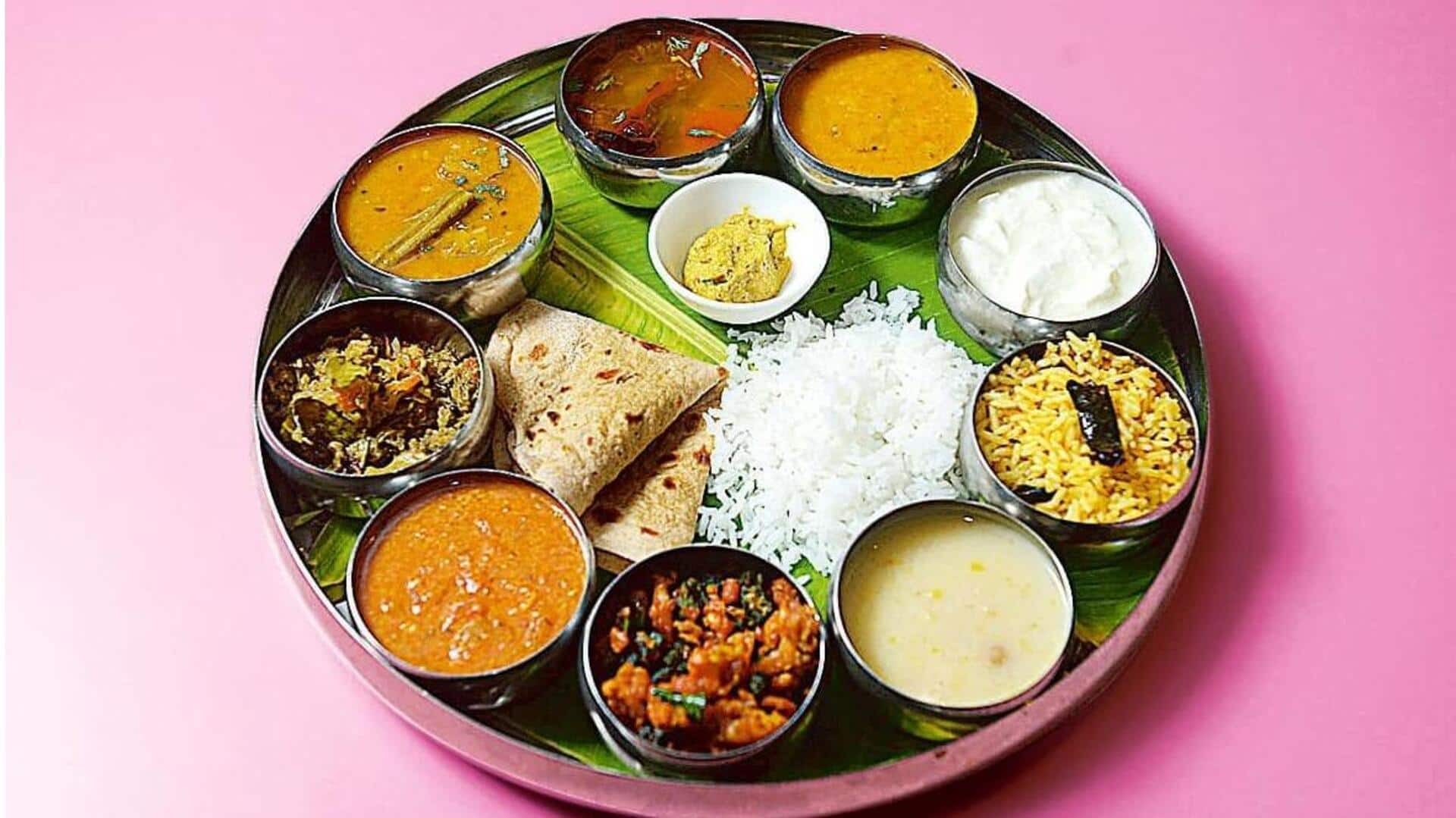
Why home-cooked meals are now cheaper in India
What's the story
The cost of preparing both vegetarian and non-vegetarian meals in India has witnessed a significant decline in November. According to CRISIL's monthly Roti Rice Rate index, the cost has dropped by 13% year-on-year. This is mainly due to the fall in prices of vegetables and pulses, offering much-needed relief to consumers after a period of fluctuating food inflation.
Market trends
Price correction in key kitchen staples
The CRISIL report highlights a major correction in the prices of tomatoes, onions, and potatoes, key ingredients for most home-cooked meals.
Tomato prices have dropped by 17% year-on-year due to increased supply.
Potato prices have also fallen by 29%, while onion prices have plummeted by 53%.
This is mainly because of large stocks from the previous rabi season and weak exports.
Pulse prices
Pulses see a price drop
Pulses have also seen a price drop, falling by 17%.
This is mainly due to increased imports of Bengal gram, yellow peas, and black gram in FY25. The increased domestic supply has helped bring down the prices.
The non-vegetarian thali has also become cheaper by 13% YoY and 1% month-on-month as broiler prices fell by 12% in November due to oversupply in the market.
Monthly fluctuations
Mixed month-on-month changes in thali costs
On a MoM basis, the cost of a vegetarian thali rose by 2% in November due to a rise in potato and tomato prices by 5% and 14%, respectively. The cost of a non-vegetarian thali fell by 1% due to an estimated fall in broiler prices amid oversupply.