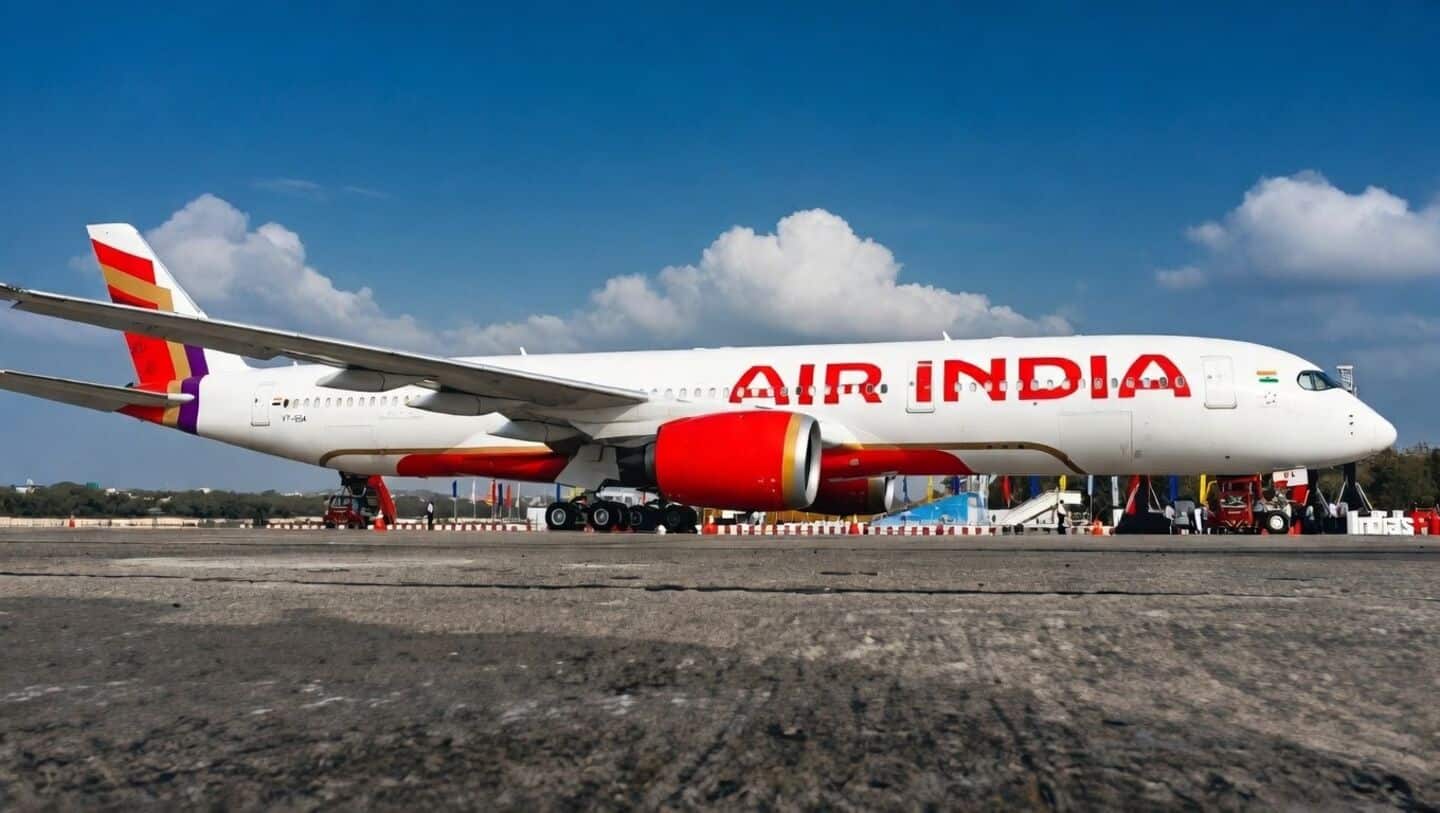
European regulator flags safety issues with Air India, DGCA steps-in
What's the story
The European Union Aviation Safety Agency (EASA) has raised concerns over safety deficiencies at Air India., according to The Economic Times. The issues were discovered during surprise inspections at European airports. The Directorate General of Civil Aviation (DGCA) has now stepped in to impose corrective measures and avoid any potential fallout for the airline's operations in Europe.
Inspection details
Ratio of findings per inspection reached 1.96 in January
The ratio of findings per inspection for Air India's planes reached 1.96 in January, prompting EASA to alert the DGCA. A senior official at the civil aviation regulator said that they immediately intervened and directed Air India to take corrective action. This was done to prevent any potential impact on its services to European countries. After intensified inspections, the fault count has since declined with a current ratio of 1.76 as of last week.
Safety standards
Aging aircraft fleet to blame for high number of faults
Airlines with a high safety performance record usually maintain a ratio of less than 1. An official blamed the high number of faults on Air India's aging aircraft fleet. The airline had started a $400 million project to refurbish its older planes after being taken over by Tata Group, but it has been delayed due to global vendors failing to meet deadlines amid supply chain constraints.
Inspection protocol
EASA conducts surprise inspections under SAFA program
Under the Safety Assessment of Foreign Aircraft (SAFA) program, EASA teams conduct surprise inspections whenever a plane operated by a non-EU carrier lands at a European airport. Inspectors check around 54 safety and compliance parameters including availability of emergency equipment such as exits and life jackets, completeness of manuals and other documentation, and validity of licenses/medical fitness of crew members.
Compliance checks
Over 100 checks conducted by Air India
The DGCA official reiterated that over 100 checks have been conducted by the airline, while the regulator continues to inspect aircraft deployed on international routes. Aircraft are cleared for further flights only once faults have been corrected and regulators are satisfied with compliance standards. This highlights the DGCA's commitment to ensuring high safety standards in Indian aviation, especially for airlines operating internationally.