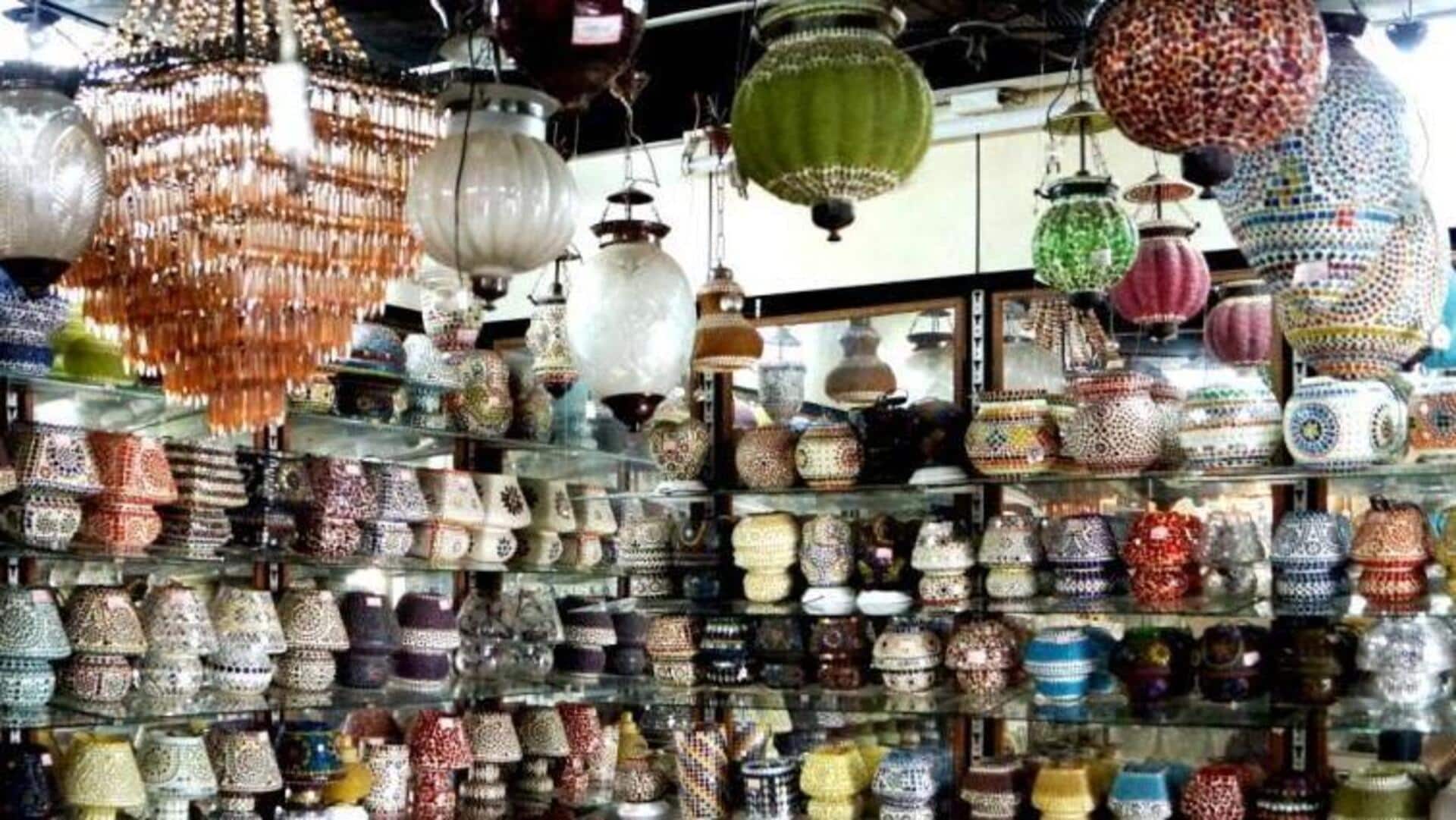
Why Firozabad's glass industry is facing risk of closure
What's the story
The ongoing conflict in the Middle East is affecting India's "glass city," Firozabad, in Uttar Pradesh. The region accounts for 70% of the country's glass production and employs around 150,000 people. However, due to the disruption in energy supplies from the Middle East, gas shortages have hit these small and medium-sized factories hard.
Production impact
Gas shortages impact production
The glass industry relies heavily on a steady supply of natural gas to keep furnaces running at high temperatures.
However, the ongoing conflict has disrupted energy supplies from the Middle East, leading to gas shortages and rising costs.
Sanjay Jain, a veteran glass bangle unit worker in Firozabad, said production has plummeted after the Indian government reduced commercial gas supplies by 20% to cope with this crisis.
Vulnerability
Uncertain future
India's heavy dependence on gas for industrial, transport, and household needs makes factory towns like Firozabad particularly vulnerable to supply shocks.
Over 400 small manufacturing clusters in the region produce a variety of glass items for a domestic market worth over $200 million.
However, some owners have reported losses of roughly 25-40% since the war began and are unsure how long they can survive if supplies remain unstable.
Additional pressures
Export challenges and raw material costs
The cost of raw materials has also gone up due to disrupted fuel supplies and affected imports.
Mukesh Bansal from the All India Glass Manufacturers' Federation said his business has suffered losses of over 45% since the conflict began.
Higher shipping costs have also made exporting decorative glass items to the US more expensive, further straining the industry.
Crisis management
Government response and expert warnings
The Indian government has acknowledged the need for uninterrupted furnace operations and is taking steps to manage supplies.
However, economist Arun Kumar warns that many smaller units may not be able to cope with these shortages.
He stressed that longer-term measures will be needed to address this crisis, especially after the energy infrastructure across parts of the Middle East was targeted during recent fighting, causing damage that could take months to repair.