Modi government mulling ₹25,000cr fund to revive stalled infra projects
What's the story
The Indian government is mulling the establishment of a ₹25,000 crore risk guarantee fund for infrastructure projects. The move is aimed at tackling financial hurdles and reviving stalled developments here. The proposed fund could be announced in the upcoming Union Budget for FY27, sources familiar with the matter told HT Mint.
Risk mitigation
Fund to ease financing risks for lenders
The proposed fund is expected to provide partial guarantees on loans given to infrastructure projects at a nominal fee.
This would ease financing risks for lenders, promote higher credit flow, and also allow banks to take bigger exposures.
While the guarantee fee would marginally increase borrowing costs, its impact on lending rates is expected to be minimal.
Funding details
Fund's structure and initial corpus
The fund's structure is expected to be similar to the Credit Guarantee Fund Scheme for Micro and Small Enterprises (CGMSE), which was launched in 2000.
The initial corpus for this fund will likely come from the Union Budget, with the Finance Ministry also looking at contributions from public and private sector financial institutions.
Financing boost
Impact on infrastructure financing
If implemented, the fund could reduce financing risks for the banks and non-banking lenders, promote higher credit flow at competitive rates, and enable bigger exposures to infrastructure projects.
However, experts have warned that its effectiveness would depend on strong risk pricing and disciplined underwriting standards.
India's capital expenditure allocation for FY26 is ₹11.21 trillion or some 3.1% of GDP, compared with ₹11.11 trillion or around 3.4% of GDP in the previous Budget.
Project setbacks
Road transport projects facing delays
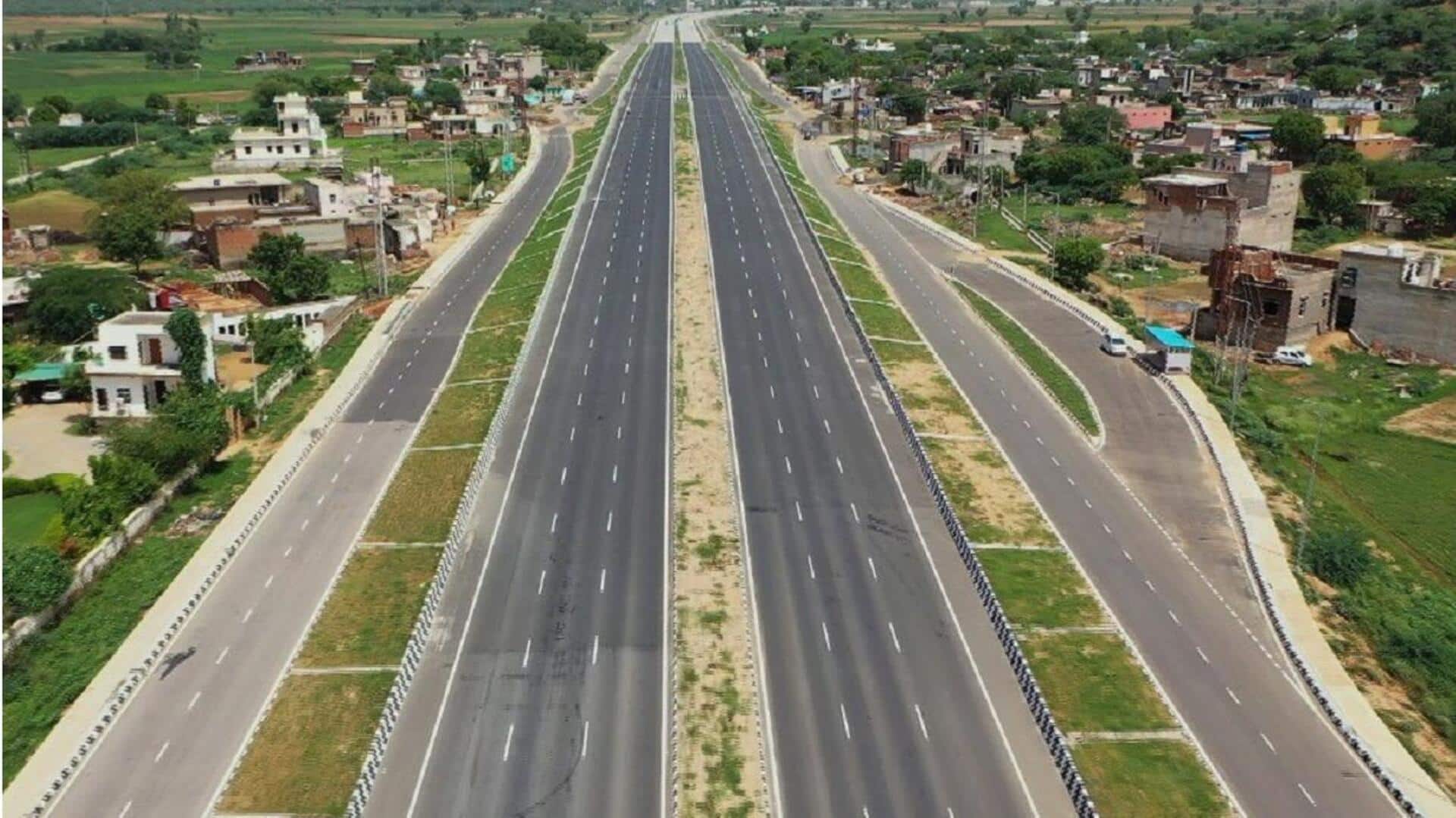
Persistent delays and cost overruns continue to hamper funding flows, specially in the roads and highways sector.
As per data shared by the Ministry of Road Transport and Highways, 574 national highway projects awarded over the past five years have exceeded their original completion timelines.
More than 300 projects are delayed by up to a year, while 253 have been delayed between one-three years.